
Creating a dedicated reading corner is an investment in your personal well-being, offering a quiet retreat from the fast-paced demands of daily life. To build a space that genuinely invites long, uninterrupted reading sessions, the choice of seating is paramount. Combining a supportive wooden accent chair (upuan) with a versatile wooden bench or stool (bangketo) provides a balanced blend of aesthetic warmth and physical comfort. By selecting pieces crafted from high-quality wood, you can establish a reading nook that is both highly functional and visually grounding.
When selecting a bangketo or upuan made of wood, understanding how these pieces interact with your space and your body is the key to long-term comfort. A well-designed wooden chair offers structural integrity that synthetic materials often cannot match, while a matching bench provides flexible utility. Whether you are working with a spacious bedroom or a compact corner of a living room, choosing the right combination of wooden seating will transform an underutilized spot into an inviting sanctuary.
Assessing Your Reading Nook Space and Preferred Posture
Before purchasing any furniture, it is essential to evaluate the physical dimensions of your intended reading corner. Start by measuring the available floor area, noting the width, depth, and overall footprint of the space. To maintain a comfortable flow in the room, ensure there is at least 60 to 75 centimeters of open walkway clearance around the seating area. You must also account for the swing radius of nearby doors, wardrobe panels, window shutters, or cabinet drawers to prevent accidental collisions with your new furniture.
Products mentioned in this guide
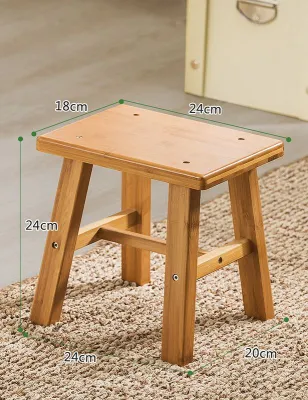
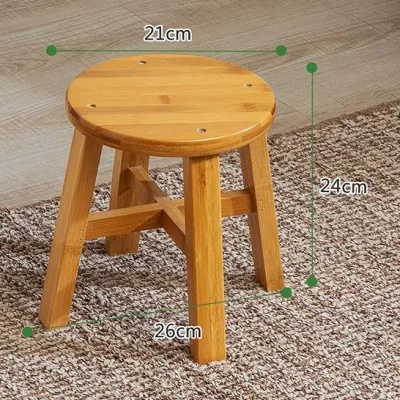
Prices are valid at publication and may change. Please refer to the product page for the latest price.
Your preferred reading posture plays a decisive role in determining whether a full accent chair or a compact bench is the right fit. If you prefer to sit upright with your back fully supported and your feet flat on the ground, a structured wooden armchair is highly recommended. For those who enjoy lounging back, a deeper accent chair paired with a low-profile stool to prop up the feet is the ideal combination. If you tend to sit cross-legged or curl your legs up while reading, look for an exceptionally wide seat pan—ideally 55 centimeters or wider—with low or open armrests that do not restrict your movement.
To verify that your chosen furniture matches the room’s proportions without overwhelming the cozy atmosphere, use this quick checklist:
- Use painter's tape on the floor to outline the exact dimensions of the chair and stool before buying.
- Check the height of nearby windows to ensure the backrest of the chair does not block natural light or ventilation.
- Assess the visual weight of the wood; dark, heavy timbers can make a small room feel cramped, whereas light-toned woods or open spindle backrests maintain an airy, spacious feel.
- Confirm that the height of the chair allows you to comfortably reach any nearby bookshelves or side tables without straining.
Key Comfort Features for Wooden Accent Chairs (Upuan)
When evaluating a wooden accent chair (upuan), physical comfort and structural safety must always take priority over purely visual appeal. A beautifully designed chair is of little use if it causes back strain after only twenty minutes of reading. To ensure long-term comfort, pay close attention to the ergonomic dimensions of the chair. The backrest should feature a gentle recline of approximately 100 to 110 degrees, which helps distribute your upper body weight and relieves pressure on your lower spine. The seat depth should ideally measure between 48 and 52 centimeters, allowing you to sit fully back against the frame without the front edge pressing uncomfortably into the back of your knees.

Armrests are another critical component of ergonomic support during reading. They should be positioned at a height that allows your shoulders to remain relaxed while your elbows rest naturally at a 90-degree angle. This positioning reduces strain on your neck and upper back while you hold a book, tablet, or e-reader.
Because you cannot judge structural integrity from a photograph, always check the manufacturer’s specifications for weight capacity and construction details. A high-quality wooden chair should be rated to support at least 110 to 135 kilograms of static weight. Look for chairs constructed with traditional wood-joining techniques, such as mortise-and-tenon joints, dowels, or reinforced corner blocks. Avoid frames that rely heavily on simple metal screws, nails, or staples, as these fasteners tend to loosen over time, leading to an unstable chair that poses a safety risk.
The physical finish of the wood also directly impacts your comfort. Run your hand along the armrests, seat edges, and back spindles to ensure the wood has been sanded completely smooth. Sharp or rough edges can snag delicate clothing, pull threads on woven throw blankets, or cause minor skin irritation. Additionally, check the product label to confirm that the wood finish is rated for indoor use and has been treated with a smooth, non-sticky sealant.
Versatile Uses for Wooden Benches and Stools (Bangketo)
A wooden bench or stool (bangketo) is one of the most versatile additions you can make to a reading corner, offering functional benefits that extend far beyond simple seating. When paired with a primary accent chair, a low stool serves as an excellent footrest, allowing you to elevate your legs to improve circulation and reduce lower back pressure during long reading sessions. When you have guests, this compact piece of furniture can quickly transition into a secondary seat, maximizing the utility of your space without requiring the footprint of a second full-sized chair.
Beyond seating, a flat-topped bangketo can function as a highly stable side table. It provides a convenient surface for stacking your current reading list, resting a cup of coffee or tea, or holding a small, battery-operated reading lamp. This multi-functional capability is particularly valuable in smaller homes where space is at a premium.
However, because benches and stools are often subjected to dynamic loads, it is crucial to verify the manufacturer’s stated weight limits and stability guidelines. If you plan to use the bench as occasional seating for adults, ensure it is rated for at least 100 kilograms. If you intend to use a sturdy stool as a step to reach high bookshelves, verify that the manufacturer explicitly approves this use and that the stool features a wide, slip-resistant base. Never attempt to stand on a decorative, lightweight stool that is designed solely as a plant stand or footrest.
To ensure a comfortable and ergonomic setup, always match the height of your bangketo to your primary accent chair. Ideally, a footrest should be slightly lower than or equal to the seat height of your chair. Since most standard accent chairs have a seat height of 40 to 45 centimeters, look for a stool or bench that stands between 35 and 42 centimeters tall. This height differential prevents your knees from being elevated above your hips, which can cause discomfort in your lower back over time.
Evaluating Wood Finishes and Care for Humid Climates
In tropical environments like the Philippines, high humidity and temperature fluctuations present unique challenges for wooden furniture. To ensure your reading corner pieces remain beautiful and structurally sound for years, you must carefully evaluate the wood type and finish by reading product tags and manufacturer descriptions.
Start by identifying whether the furniture is made of solid wood or engineered wood. Solid hardwoods—such as local acacia, mahogany, gmelina, or imported teak—are highly durable and offer beautiful natural grain patterns, but they naturally expand and contract in response to humidity changes. Engineered wood, such as high-grade plywood with a solid wood veneer, can offer excellent resistance to warping, but low-quality fiberboards (MDF) should be avoided in high-humidity areas as they can absorb moisture, swell, and degrade over time.
The type of finish applied to the wood is your first line of defense against environmental damage:
- Polyurethane and Lacquer: These synthetic finishes create a hard, moisture-resistant barrier over the wood. They are highly recommended for humid climates because they seal the wood pores, preventing moisture absorption and minimizing the risk of warping, swelling, or mold growth.
- Oil and Wax Finishes: These options highlight the natural texture of the wood but provide less protection against high humidity and liquid spills. They require regular reapplication and are more prone to developing sticky surfaces or moisture rings if exposed to damp glasses or humid air.
No material name or wood species guarantees performance on its own; you must rely on the manufacturer’s indoor-use ratings and specific care instructions to maintain the finish. For daily maintenance, perform low-risk cleaning steps such as dusting the wood regularly with a dry, soft microfiber cloth. Avoid using wet cloths or harsh chemical cleaners, which can strip the protective sealant.
Keep your wooden furniture away from direct air conditioning vents, as the rapid transition between cold, dry air and warm, humid air can cause the wood to crack or warp. Likewise, position your chair away from direct, intense tropical sunlight to prevent the finish from fading or drying out. If you notice signs of finish degradation, such as stickiness or fine cracks, consult the manufacturer or a professional furniture restorer for specialized care rather than attempting to apply unverified chemical treatments.
Accessorizing Wooden Seating for a Cozy Vibe
While solid wood furniture provides unmatched structural support and visual warmth, its natural firmness requires soft accessories to create a truly cozy reading environment. To soften the hard surfaces of your upuan, select high-density polyurethane foam seat cushions that are at least 5 to 8 centimeters thick. Look for cushions with non-slip backings or ties to keep them securely in place on the wooden seat. Adding a dedicated, semi-firm lumbar pillow is also essential for maintaining the natural curve of your lower spine, preventing fatigue during extended reading sessions.
When choosing textiles for your cushions, pillows, and throw blankets, prioritize breathable, natural fabrics. Materials like cotton, linen, or local handwoven textiles are ideal for tropical climates, as they provide soft comfort without trapping body heat. A lightweight throw blanket can be draped over the back of the chair to add visual texture and offer light warmth during cooler, rainy evenings.
To complete your reading nook, pair your wooden seating with a small, stable side table or use your bangketo to keep essentials within arm’s reach. Position a warm-toned LED reading lamp slightly behind your shoulder to illuminate your pages directly, reducing eye strain without creating harsh glare.
Finally, focus on coordinating your wood tones and textile textures to enhance the visual warmth of the space. You do not need to match all your wood pieces perfectly; in fact, mixing a rich, dark mahogany chair with a lighter, honey-toned acacia stool can create a layered, curated look. Balance these natural wood elements with soft, neutral-colored textiles to ground the corner and establish a peaceful, inviting sanctuary.
Frequently Asked Questions (FAQ)
How can I make a firm wooden chair comfortable for long reading sessions?
To make a firm wooden chair comfortable, add a high-density, non-slip seat cushion to distribute your weight and a supportive lumbar pillow to maintain proper spinal alignment. Draping a soft, breathable cotton or linen throw blanket over the backrest provides extra cushioning and thermal comfort, making the firm wood feel inviting for hours.
Is it safe to use an outdoor wooden bench inside a reading nook?
Before placing an outdoor bench inside, check the manufacturer’s product label for safety and intended use. Outdoor wooden furniture is often treated with heavy chemical preservatives, oils, or weather-resistant sealants that can emit strong odors (off-gassing) in enclosed indoor spaces, and the surfaces may be left intentionally rough, which can snag delicate indoor textiles or clothing.
Community discussion
Share your experience or ask a question. Comments are reviewed before publication.