
No single bed topper material is universally the coolest for everyone, but materials that prioritize structural airflow and moisture dissipation—such as open-cell latex or highly ventilated micro-coils—typically handle tropical heat and humidity better than traditional dense foams. Choosing the right topper for a warm climate requires looking beyond marketing buzzwords to evaluate physical construction, cover fabrics, and your specific bedroom setup.
In a tropical environment, a bed topper does more than just soften a firm mattress. It acts as the primary barrier between your body and your bed, directly influencing how much heat is trapped beneath you during the night. Understanding how different materials interact with ambient temperature and humidity is the first step toward creating a comfortable, sweat-free sleep environment.
How Tropical Heat and Humidity Affect Sleep Temperature
Sleeping comfortably in a tropical climate is a challenge of thermodynamics. During the night, your body naturally lowers its core temperature by radiating heat outward and releasing moisture through sweat. This process relies on the surrounding air being cooler and drier than your skin, allowing heat to dissipate and sweat to evaporate.
Products mentioned in this guide
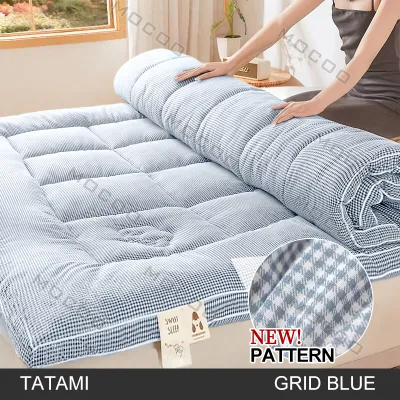
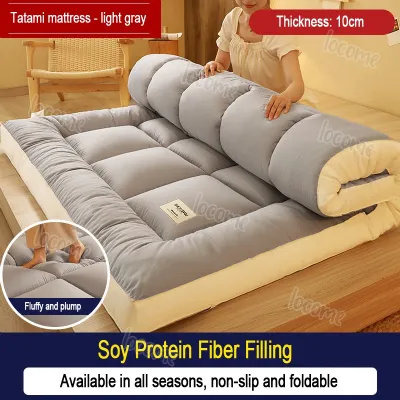
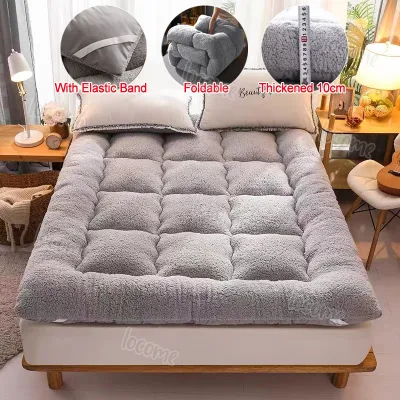
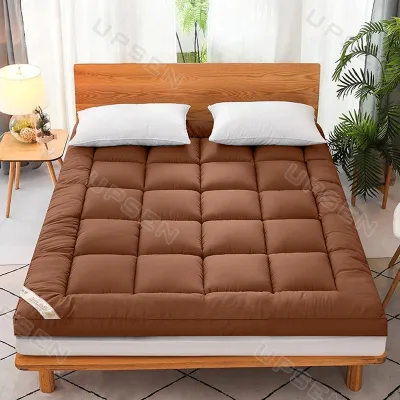
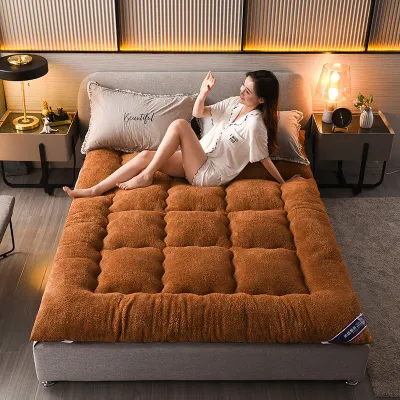
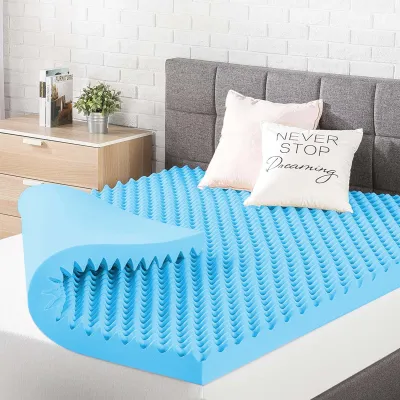
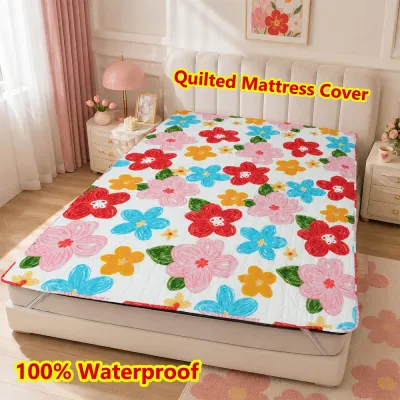
Prices are valid at publication and may change. Please refer to the product page for the latest price.
High relative humidity disrupts this natural cooling cycle. When the air is already saturated with moisture, sweat cannot evaporate efficiently from your skin. Instead of cooling you down, moisture clings to your body and transfers directly into your bedding. If your bed topper is made of dense, non-breathable materials, it acts as an insulator, trapping this warm, humid air right next to your body.
This creates a localized greenhouse effect in your bed. As the topper absorbs your body heat, its temperature rises to match your own, leaving no cool surface for heat transfer. Over the course of the night, this trapped warmth and moisture can lead to restless tossing, turning, and waking up feeling damp.
Therefore, the baseline requirement for any bed topper used in a humid environment is continuous heat dissipation and active moisture management. Rather than simply looking for a soft surface, you must prioritize materials that allow air to flow freely beneath you and fabrics that pull moisture away from your skin.
Evaluating Common Bed Topper Materials for Cooling
When shopping for a bed topper, it is easy to get lost in generic “cooling” labels and promotional claims. However, a material’s category alone does not guarantee temperature regulation. A foam topper labeled as “cooling” might still trap heat if its physical structure is too dense or if it lacks proper ventilation channels.

To make an informed decision, you must evaluate toppers based on their physical specifications. This involves checking manufacturer details for density, cell structure, and airflow design. By understanding how these structural elements behave under pressure and heat, you can identify which topper will actually perform well in your bedroom.
Memory Foam: Checking for Open-Cell and Gel Designs
Traditional memory foam is known for its deep, body-conforming pressure relief. However, this close contouring also means more of your body is enveloped by the foam, reducing the surface area exposed to circulating air. Furthermore, standard memory foam has a closed-cell structure, meaning the tiny bubbles within the foam are sealed, trapping air and heat.
If you prefer the pressure-relieving feel of memory foam, you must look for engineered variations designed to mitigate heat retention. Start by verifying “open-cell” or “plant-based” structural claims on the product label. Open-cell foams feature interconnected air pockets that allow air to escape when compressed, significantly improving ventilation compared to traditional closed-cell options.
Many manufacturers add gel infusions, copper, or graphite to memory foam, marketing them as active cooling agents. While these additives can make the topper feel cool to the touch initially, their heat-absorption capacity is limited. Once the gel or mineral reaches your body temperature, it can no longer absorb heat. At that point, the topper relies entirely on its underlying airflow to dissipate warmth.
Additionally, pay close attention to the foam’s density rating. High-density memory foam provides excellent support and durability, but its tightly packed cell structure naturally restricts airflow. If you live in a humid area and sleep without continuous air conditioning, a lower-density or highly ventilated open-cell foam is generally easier to keep cool.
Latex: Verifying Pinhole Structures and Density
Latex is a highly resilient, buoyant material that offers a “sleeping on” rather than “sleeping in” sensation. Because you do not sink deeply into a latex topper, more of your body remains exposed to the ambient air, facilitating natural heat dissipation.
The primary cooling advantage of latex lies in its manufacturing process. During vulcanization, the liquid latex is poured into molds containing metal pins. When cured, these pins leave behind a grid of vertical pinholes throughout the topper. This pinhole core structure acts as a natural ventilation system, allowing air to pump through the topper every time you move.
When comparing latex options, you will encounter Talalay and Dunlop manufacturing methods. Talalay latex undergoes a vacuuming and flash-freezing process before curing, which creates a highly uniform, open cell structure. This makes Talalay exceptionally breathable and soft. Dunlop latex is processed without the vacuum step, resulting in a denser, more solid structure that may retain slightly more heat, though it remains far more breathable than traditional closed-cell foams.
However, even highly breathable latex can trap heat if it is too thick or dense. A thick latex topper (such as one exceeding three inches) can contour more closely to your body, reducing airflow. To maximize cooling, look for a moderate thickness and ensure the topper is paired with a breathable, lightweight cover.
Spring and Micro-Coil: Assessing Airflow Channels
Toppers featuring micro-coils or miniature springs offer a distinct structural advantage when it comes to temperature regulation. Unlike solid foam or latex, the core of a spring topper consists mostly of empty space. This open design creates massive horizontal and vertical airflow channels, allowing heat to escape effortlessly.
When evaluating a micro-coil topper, the critical area to inspect is the comfort layer positioned directly above the springs. Many spring toppers feature a thick pillow-top or comfort layer made of dense foam to provide softness. If this top layer is made of cheap, closed-cell synthetic foam, it will act as a barrier, blocking your body heat from reaching the breathable coils below and neutralizing the cooling benefits of the springs.
To avoid this, look for spring toppers that use thin, highly breathable comfort layers, such as open-cell foam, latex, or natural wool. These materials allow heat to pass through to the coil chamber, where it can be carried away by air currents.
Additionally, verify the topper’s edge support and coil gauge. A well-constructed micro-coil topper should maintain its shape and structural integrity under your body weight. If the coils compress completely or sag over time, the airflow gaps will collapse, significantly reducing the topper’s cooling efficiency.
The Role of Cover Fabrics and Surface Treatments
While the core material of your topper determines its overall breathability, the outer cover is the primary interface with your skin. It is the first line of defense against heat and moisture, making its material composition incredibly important.
Always read the care and material labels on the cover. Look for natural or semi-synthetic fibers that excel at moisture wicking and breathability. Cotton is a classic, reliable choice, while bamboo-derived viscose and Tencel (lyocell) are highly regarded for their smooth texture and superior moisture-absorption capabilities. These fibers pull sweat away from your body, allowing it to evaporate quickly into the air.
Conversely, avoid covers made of standard, tightly woven polyester or other synthetic blends. While synthetic fabrics are durable and inexpensive, they tend to trap moisture and heat, creating a slick, humid surface that can make even a breathable latex or spring topper feel uncomfortably warm.
You may also encounter covers treated with Phase Change Materials (PCM) or woven with specialized cooling yarns. These technologies work by absorbing, storing, and releasing heat to maintain a stable surface temperature. When evaluating these options, look for manufacturer testing data or specific material certifications rather than relying on generic “cooling” marketing terms. Keep in mind that PCM treatments can assist with initial temperature regulation, but they work best when paired with a naturally breathable core material.
Finally, ensure the cover is removable and washable. Over time, sweat, body oils, and dust mites can accumulate in the fabric, clogging the fibers and reducing their breathability. A washable cover allows you to maintain a clean, hygienic, and highly breathable sleep surface.
Maintenance and Moisture Control in Humid Climates
In hot and humid climates, maintaining your bed topper is essential not only for comfort but also for hygiene and longevity. High humidity combined with body sweat creates an ideal breeding ground for dust mites, mold, and mildew, which can degrade the topper’s materials and impact your health.
Establish a routine for airing out your topper. When you wake up, resist the urge to make your bed immediately. Instead, pull back the sheets and let the topper air out for at least an hour. If you use air conditioning or a dehumidifier in your bedroom, running it during this time will help draw out any moisture trapped in the topper’s core.
Using a mattress protector is highly recommended, but you must choose one carefully. A standard plastic waterproof protector will block all airflow, turning your breathable topper into a heat trap. Instead, look for a protector specifically designed to be breathable and moisture-wicking. These often feature a thin, polyurethane membrane laminated to a natural fiber like cotton or bamboo, providing liquid protection without completely sealing off the topper’s ventilation channels.
When cleaning your topper, always follow the manufacturer’s specific instructions. Never saturate memory foam or latex with water, as these materials are difficult to dry completely and can easily harbor mold if moisture remains trapped inside. If you need to spot-clean a stain, use a damp cloth with mild soap and allow it to dry completely in a well-ventilated room.
Avoid exposing latex or memory foam to direct, intense sunlight for extended periods. While sunlight is a natural sanitizer, UV rays can rapidly degrade the physical structure of these materials, causing them to crumble and lose their supportive properties. If a persistent musty odor or visible mold develops on your topper, stop using it immediately and consult the manufacturer or a professional cleaner.
Decision Checklist: Matching Your Environment and Sleep Profile
To choose the right bed topper for your home, you must synthesize your physical needs with your bedroom’s specific environmental conditions. Use this checklist to guide your decision:
- Bedroom Ventilation: If you sleep in an air-conditioned room, an open-cell memory foam topper with a cooling cover can perform well. However, if you rely on natural ventilation, open windows, and ceiling fans, prioritize maximum airflow with a ventilated latex or micro-coil topper.
- Existing Mattress Base: Check your bed frame. A solid platform or wooden board blocks airflow from the bottom of your mattress, which can cause heat to build up in your topper. A slatted bed frame allows air to circulate through the entire sleep system, enhancing the cooling performance of any topper you choose.
- Support vs. Cooling: If you require deep pressure relief for joint pain, you may need the contouring support of memory foam. In this case, balance the heat-retention risk by choosing a lower-density, open-cell foam paired with a high-quality Tencel or bamboo cover. If you prefer a bouncy, responsive feel and prioritize staying cool above all else, latex or micro-coils are the more suitable options.
- Budget and Durability: High-quality latex and micro-coil toppers often require a larger initial investment in ₱ compared to basic foam options, but they tend to maintain their structure and airflow channels much longer in humid conditions. Consider your long-term budget and how often you are willing to replace your bedding.
Frequently Asked Questions (FAQ)
Can a cooling mattress protector make a standard foam topper sleep cooler?
A cooling mattress protector can improve your initial comfort by wicking away surface moisture and providing a cool-to-the-touch sensation. However, it cannot fundamentally alter the physical properties of the topper beneath it. If your topper is made of dense, closed-cell foam that traps heat, a protector will only offer temporary relief. For the best results, ensure both the protector and the topper are designed with open airflow channels to allow heat to escape rather than building up in the mattress core.
How often should I air out my bed topper in a humid climate?
In a highly humid environment, it is best to air out your bed topper daily by leaving your bed unmade for an hour after waking up, allowing body heat and moisture to dissipate. For a deeper airing, remove all sheets and protectors once every two to four weeks, allowing the topper to sit uncovered in a well-ventilated room with a fan or air conditioner running. Always check your manufacturer’s guidelines, and avoid placing foam or latex toppers in direct, intense sunlight, as UV rays can break down the material’s structure.
Community discussion
Share your experience or ask a question. Comments are reviewed before publication.