
The ideal small cabinet for a compact breakfast nook balances your specific spatial limits with your primary storage goals. If floor space is extremely limited, a tall, narrow utility cabinet or a wall-mounted hutch works well by utilizing vertical space. For those who want to keep sightlines open and gain an extra serving surface, a low sideboard or buffet cabinet is a practical choice. The best option depends on whether you need to maximize floor space, conceal daily clutter, or display decorative items. Before browsing online marketplaces or local furniture shops, the absolute first step is measuring the physical clearance of your nook. You must account for the space required to pull out dining chairs and walk comfortably around the table without bumping into the cabinet. Taking the time to evaluate these factors ensures your new furniture piece enhances both the functionality and aesthetic appeal of your dining area.
Assessing Your Breakfast Nook Space and Storage Needs
Measuring the available footprint is the foundation of choosing a small cabinet. Grab a tape measure and map out the exact floor area where the cabinet will sit. Do not just measure the empty wall; you must account for the dining table’s overhang and the space needed for chairs when occupied. A standard dining chair requires at least 60 to 90 centimeters of clearance to pull out comfortably. If your breakfast nook is tucked into a corner, ensure the cabinet does not block the natural pathway or create a tight bottleneck. Remember to measure the height of nearby windowsills and the location of electrical outlets, as you do not want your cabinet to block natural light or cover essential power sources.
Next, categorize your storage items to determine the internal configuration you need. Group your items into distinct categories: daily dinnerware, serving platters, table linens, and dry pantry goods. If you plan to store heavy items like a rice dispenser or small kitchen appliances, you will need a cabinet with robust shelves and a deeper profile. For light linens and occasional-use items, a shallower cabinet with drawers is highly efficient. Knowing exactly what you need to store prevents you from buying a unit that is too shallow or lacks the necessary shelf height. It also helps you decide between adjustable shelves, which offer flexibility, and fixed shelves, which often provide greater structural stability.
Products mentioned in this guide
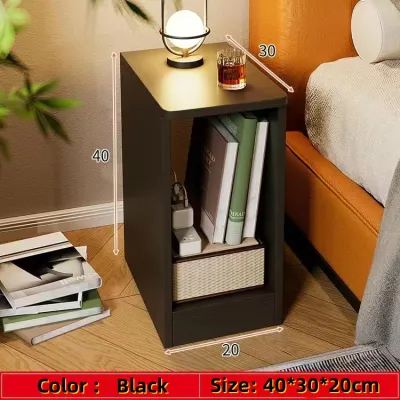
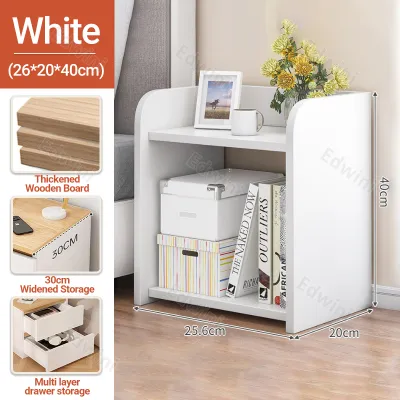
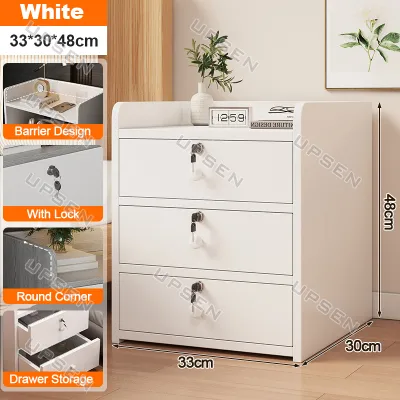
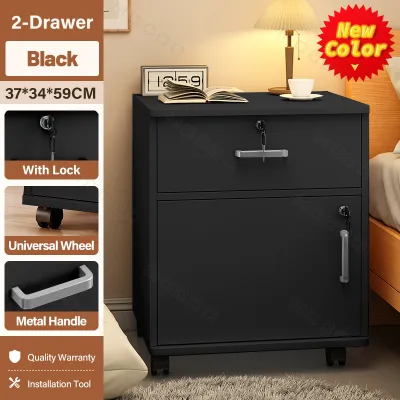
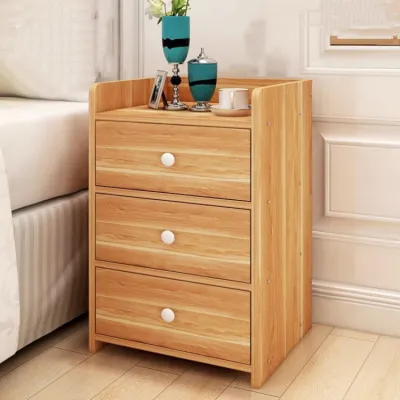
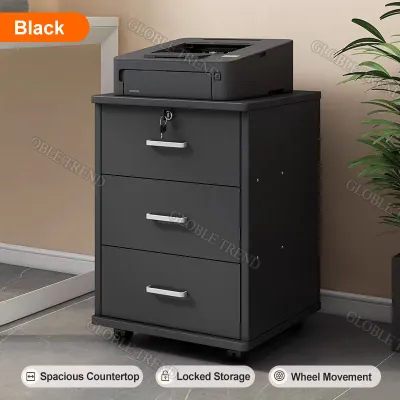
Prices are valid at publication and may change. Please refer to the product page for the latest price.
Finally, identify the visual weight limits of your breakfast nook to avoid making a compact dining area feel cramped or obstructed. In a small space, a solid, dark-colored cabinet that stretches from floor to ceiling can make the room feel incredibly small and dark. To maintain an airy, welcoming atmosphere, consider how the cabinet’s height, color, and material will interact with natural light. Choosing a unit with a lighter finish, glass doors, or an open base can prevent the room from feeling visually heavy or cluttered. This visual balance is especially important in open-concept layouts where the breakfast nook is visible from the kitchen or living room.
Comparing Small Cabinet Styles for Breakfast Nooks
Selecting the right configuration requires analyzing how your nook’s layout, ceiling height, and storage mix interact. Different cabinet styles offer distinct advantages and trade-offs, making it essential to match the furniture’s design to your daily routine and spatial constraints. By understanding the unique characteristics of each style, you can make an informed decision that enhances your daily dining experience.

Sideboards and Low Buffet Cabinets
- Best for: These low-profile units are excellent for storing large platters, table linens, and small appliances. They offer a highly functional top surface that can double as a coffee bar, a breakfast buffet station, or a place to set down serving dishes during meals.
- Spatial impact: Because they sit below waist level, sideboards keep the upper half of the room completely open. This preserves sightlines and allows natural light to flow freely across the nook, making a small dining area feel significantly larger and less enclosed than it would with a tall cabinet.
- Limitations: Low buffets require a larger horizontal floor footprint, which might not be feasible in narrow walkways. Additionally, because the top surface is so accessible, it can easily become a magnet for daily clutter like mail, keys, and loose items if not strictly managed. To prevent this, you can use decorative trays or small baskets to keep the surface organized and functional.
Tall Pantry and Utility Cabinets
- Best for: Tall cabinets are a practical solution for maximizing storage in nooks with limited floor width but ample vertical space. They are ideal for organizing dry pantry goods, cereal boxes, tall bottles, and bulk kitchen supplies that would otherwise clutter your countertops.
- Spatial impact: By drawing the eye upward, a tall cabinet utilizes underused vertical space and minimizes the actual floor area required for storage. This makes them highly efficient for tight corners or narrow dining alcoves.
- Limitations: A tall, solid cabinet can feel visually imposing in a very small room, potentially overshadowing the dining table. Furthermore, because of their high center of gravity, tall units strictly require secure wall anchoring to prevent accidental tipping, especially in homes with active households, pets, or in earthquake-prone regions.
Glass-Front Display Cabinets
- Best for: These cabinets are designed to showcase attractive dishware, glassware, and decorative pieces. They keep your items organized and visible while protecting them from dust, cooking grease, and household pet hair.
- Spatial impact: The glass panels allow light to pass through and reflect off the interior surfaces, creating an illusion of depth. This significantly reduces the visual heaviness of the furniture, making the breakfast nook feel brighter and more spacious.
- Limitations: Glass-front cabinets offer zero privacy for your storage. They require meticulously organized interiors, meaning they are not suitable for hiding mismatched plastic containers, messy pantry boxes, or purely utilitarian kitchen tools. If you choose this style, be prepared to curate your display and keep it tidy to maintain a clean look.
Open Shelving and Hutch Combinations
- Best for: Hybrid units featuring a closed lower cabinet and open upper shelves are perfect for frequently used items like daily mugs, plates, and casual decorative accents. They offer the best of both worlds: concealed storage for clutter and quick-access shelving for daily essentials.
- Spatial impact: The open upper section creates a relaxed, airy, and informal aesthetic that perfectly complements the cozy, casual vibe of a breakfast nook. It allows you to personalize the space with plants, cookbooks, or colorful mugs.
- Limitations: Items stored on open shelves are fully exposed to settling dust and airborne cooking grease. This style demands disciplined organization, regular dusting, and frequent wiping of both the shelves and the items displayed on them to keep everything hygienic.
Key Structural and Finish Features to Evaluate Before Buying
Investing in high-quality materials and construction details pays off in the long run. In a dining environment, spills and condensation are inevitable. When shopping, check the manufacturer’s product labels to verify that the cabinet’s finish is moisture-resistant and easy to wipe clean. This is particularly crucial in tropical climates with high humidity, where untreated wood or low-quality laminates can warp, swell, or develop mold. Look for protective topcoats, polyurethane finishes, or water-resistant laminates that can withstand daily damp dusting and accidental coffee spills. If you are buying solid wood, ensure it has been properly seasoned and sealed to handle seasonal humidity shifts without cracking. If you are budgeting for a new piece, checking price tags in local showrooms (often marked in ₱) will help you gauge the cost of solid wood versus engineered options.
Next, evaluate the hardware and joinery of the cabinet. Open and close the doors and drawers if viewing the cabinet in person, or check customer specifications regarding hardware quality. Look for smooth-gliding drawer slides, such as soft-close ball-bearing glides, and sturdy, adjustable hinges that keep doors aligned. Examine the shelf support system; metal shelf pins are generally more stable and durable than plastic ones. Sturdy joinery, such as dowel, dovetail, or mortise-and-tenon joints, indicates a well-constructed piece that will not wobble over time under the weight of heavy dinnerware.
Never assume a small cabinet can hold unlimited weight. Check the manufacturer’s specifications for the maximum load capacity of individual shelves, especially if you plan to store heavy ceramic plates, cast-iron cookware, or stacks of canned goods. For any cabinet taller than waist height, verify that the package includes wall-anchoring hardware, such as anti-tip straps or brackets. Anchoring the unit securely to the wall studs is a critical safety step to prevent tip-over accidents, protecting both your household and your valuable dishware.
Finally, review the assembly and clearance requirements before finalizing your purchase. If the cabinet requires home assembly, review the instruction manual beforehand to ensure you have the necessary tools and space to put it together. Measure the clearance required for the cabinet doors to swing fully open and for drawers to extend completely. In a tight breakfast nook, a door that swings outward might block a walkway or collide with a dining chair, in which case sliding doors, tambour doors, or open cubbies might be a more practical choice.
Placement and Layout Strategies for Compact Dining Areas
The placement of your cabinet must prioritize physical safety and smooth traffic flow. Ensure there is a clear path of at least 70 to 90 centimeters between the cabinet and the edge of the dining table. When someone is seated at the table, there should still be enough room for another person to walk behind their chair without squeezing or bumping into the cabinet’s hardware. If your nook is exceptionally tight, consider placing the cabinet flat against the wall that runs parallel to the longest side of the table to maximize walking space.
To keep your breakfast nook feeling open and inviting, place taller or bulkier cabinets away from the main entry sightline. Positioning a tall pantry cabinet in a far corner or behind the main seating area prevents it from blocking natural light and makes the room feel more balanced. Keep low sideboards closer to the center of the wall, where their flat tops can serve as a visual anchor without overwhelming the space. This strategic placement helps guide the eye naturally through the room, creating a sense of order and spaciousness.
A cohesive design helps a small space feel organized rather than chaotic. Coordinate the cabinet’s wood tone, paint color, and metal hardware with your existing dining table, chairs, and light fixtures. For instance, if your dining table features warm wood tones, choosing a cabinet with a matching or complementary wood finish creates a unified look. If your nook has modern black metal light fixtures, selecting a cabinet with black metal handles or legs will tie the entire design together beautifully. Consistent styling makes the cabinet feel like an intentional, built-in part of the room rather than an afterthought.
Frequently Asked Questions (FAQ)
Can I repurpose a bathroom or bedroom cabinet for a breakfast nook?
Yes, but you must carefully evaluate the cabinet’s depth, shelf spacing, and material finishes. Bathroom cabinets are often designed for high-humidity environments but may have shallow shelves or specialized plumbing cutouts that limit storage capacity. Bedroom dressers or nightstands typically feature deep drawers that are excellent for linens but may lack the height or shelf configuration needed for tall pantry items or plates. Always check the manufacturer’s specifications for weight capacity and intended use to ensure the repurposed unit can safely support heavy dining essentials. Additionally, ensure the finish is food-safe and easy to sanitize.
How do I prevent a small cabinet from looking too bulky in a tight space?
To minimize the visual footprint of a small cabinet, look for designs with raised legs that expose the floor underneath, which creates an illusion of more open space. Choosing light-colored finishes, such as soft whites, creams, or light wood tones, helps reflect natural light and prevents the room from feeling closed in. Additionally, opting for cabinets with glass-front doors, mirrored panels, or open shelving reduces the solid, heavy appearance of the furniture, making your breakfast nook feel lighter and more spacious. Keeping the top surface of low cabinets clear of excess clutter also helps maintain an airy feel.
What is the standard depth for a dining room cabinet?
There is no single standard depth, as dimensions vary widely based on the cabinet’s style and purpose. Shallow display cabinets or hutch tops can be as slim as 30 centimeters, while deep sideboards and pantry units typically range from 40 to 50 centimeters deep. Instead of relying on general standards, measure your specific breakfast nook carefully. Be sure to account for baseboards, wall trim, and electrical outlet clearance, as these can prevent the cabinet from sitting completely flush against the wall and may require a slightly shallower unit to avoid blocking walkways.
Community discussion
Share your experience or ask a question. Comments are reviewed before publication.