
Quick Answer: Key Considerations for Outdoor Adult Hammocks
Finding the perfect adult hammock (locally known as a duyan) for your home in the Philippines requires balancing personal comfort with structural safety and tropical weather resistance. Whether you plan to hang your hammock on a breezy high-rise balcony in Metro Manila or under the shade of mango trees in a spacious garden, the primary decision factors remain the same: available spatial dimensions, structural mounting points, and manufacturer-certified weight limits.
Because our local climate brings intense heat, high humidity, and sudden torrential downpours, material durability is paramount. Rather than assuming a fabric is durable based on its name alone, you must verify specific care labels and weather-resistance claims. This guide will walk you through the essential steps to measure your space, inspect structural anchors, evaluate materials, and choose the ideal setup before you browse online marketplaces or local furniture stores.
Assessing Your Space and Installation Requirements
Before purchasing a hammock duyan for adult use, you must carefully measure your physical space to ensure a safe and comfortable hang. A hammock that is hung too tight will feel cramped and unstable, while one that is too loose will sag and touch the floor.
Products mentioned in this guide
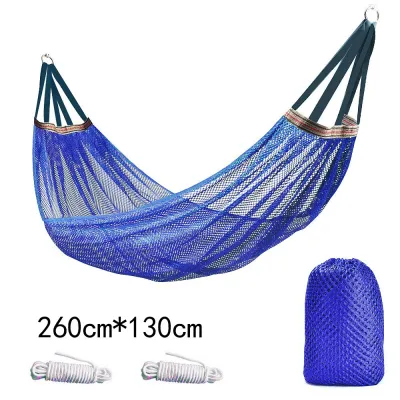
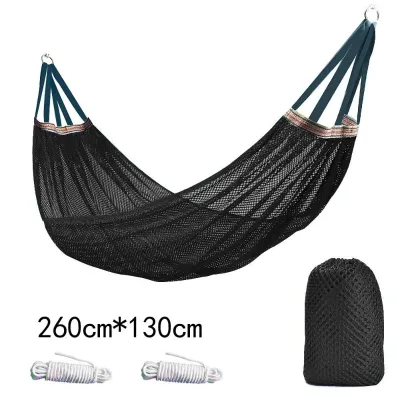
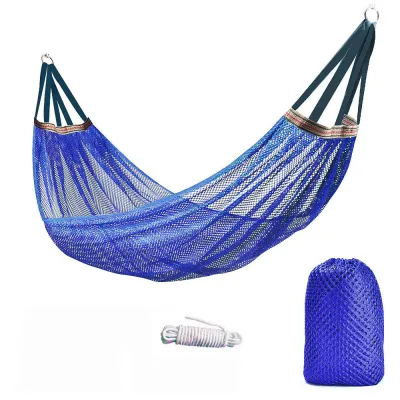
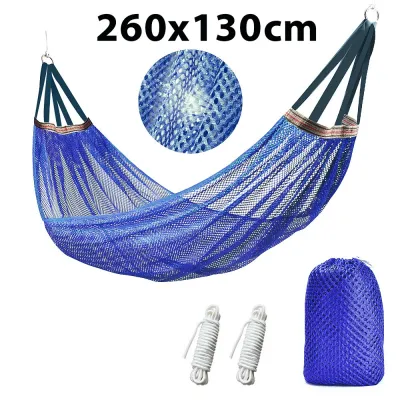
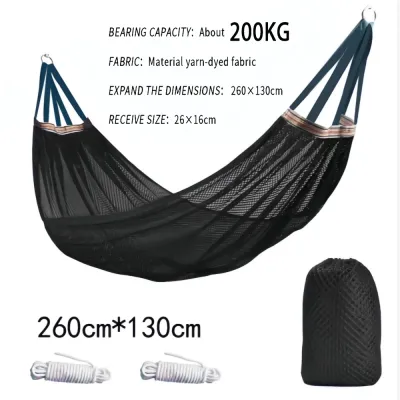
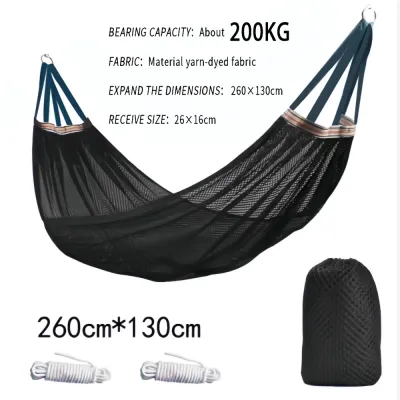
![[BAZZAR] Portable Cotton Rope Outdoor Hammock Duyan](https://img.lazcdn.com/g/p/b19a47f5cfbe15c149ec7e1699df4a1a.jpg_400x400q80.jpg_.webp)
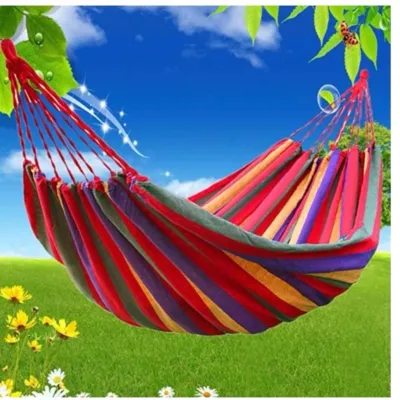
Prices are valid at publication and may change. Please refer to the product page for the latest price.

To determine the usable length, measure the straight-line distance between your two intended anchor points. As a general rule of thumb, the distance between anchors should be at least 1.5 to 2 feet longer than the total length of the hammock, including its end loops. If you are hanging the hammock diagonally across a square balcony, measure from corner to corner to maximize your available distance.
Next, measure the clearance height. For a standard gathered-end hammock, the anchor points should ideally be positioned about 5 to 6 feet off the ground. This height allows the lowest point of the hammock to sit around 18 inches high when occupied, which is a comfortable height for an adult to sit down and stand up safely.
Identifying secure anchor points is the most critical safety step. On a balcony, look for solid, load-bearing concrete walls or structural columns. Standard concrete hollow blocks (CHB) common in local residential construction may not support the lateral pulling force of an occupied hammock without specialized heavy-duty expansion bolts. Never anchor a hammock to drywall, non-structural partitions, or wooden trim.
In a garden setting, look for mature, healthy trees with a trunk diameter of at least 6 inches, or solid wooden posts deeply anchored in concrete footings. If your space lacks these natural or structural anchors, a freestanding hammock stand is the most reliable alternative.
Before finalizing your setup, use this checklist to inspect your mounting hardware:
- Load Ratings: Verify that all carabiners, S-hooks, and wall mounts are rated for heavy loads.
- Corrosion Resistance: Look for high-grade stainless steel or galvanized hardware to resist rust in our humid tropical air.
- Tree Protection: If using tree straps, ensure they are wide, non-stretch polyester webbing to protect the tree bark and prevent slipping.
Evaluating Hammock Materials and Weather Resistance
The tropical climate of the Philippines presents unique challenges for outdoor furniture. High humidity, intense UV exposure, and heavy monsoon rains can quickly degrade low-quality fabrics. When shopping, always check the product tags and manufacturer specifications for fabric composition and care instructions.
Cotton is a traditional favorite for its exceptional breathability and soft texture, making it highly comfortable during hot afternoon siestas. However, cotton absorbs moisture easily and is highly susceptible to mold, mildew, and rot if left outdoors in humid conditions. If you choose cotton, you must be diligent about bringing it indoors after every use.
Polyester and nylon are excellent synthetic alternatives for outdoor use. Nylon is lightweight, incredibly strong, and quick-drying, which is ideal for sudden tropical showers. Polyester offers superior resistance to UV rays, meaning it is less likely to fade or weaken under the harsh midday sun. Many modern outdoor hammocks use proprietary synthetic blends designed to mimic the softness of cotton while retaining the durability of synthetics.
To ensure longevity, verify the manufacturer’s claims regarding quick-drying, mold-resistant, or UV-resistant treatments. These details are typically found on the product’s care label or official specification sheet. Do not assume a material is weather-resistant simply because it is labeled as an outdoor hammock.
Regardless of the material you choose, proper storage is key to preserving your hammock’s structural integrity. During periods of heavy rain, typhoons, or high humidity, make it a habit to unhook the hammock and store it indoors. If using a freestanding stand, consider investing in a waterproof protective cover to shield the frame and fabric when not in use.
Checking Weight Capacity and Structural Safety
Ensuring structural safety is paramount when selecting a hammock duyan for adult use. Overloading a hammock or ignoring signs of wear can lead to sudden structural failure and potential injury.
Always locate and strictly adhere to the manufacturer’s stated maximum weight capacity, which should be clearly printed on the product label or instruction manual. When calculating weight requirements, consider whether the hammock will be used by a single adult or multiple people, and factor in a safety margin. Remember that dynamic weight—the force exerted when sitting down, swinging, or shifting positions—is significantly higher than static weight.
Perform a thorough visual inspection of the hammock before every use. Focus on the gathering loops or end strings, where the fabric meets the suspension system; this is a common point of wear. Check for loose stitching, frayed threads, or thinning fabric.
If your hammock features wooden or metal spreader bars, inspect them for cracks, splinters, or rust. Metal rings and chains should be free of corrosion, which can weaken the metal over time.
Establish clear conditions for when to retire or temporarily stop using your hammock. If you observe any of the following, discontinue use immediately:
- Frayed Suspension Lines: Any broken strands in the ropes or straps.
- Rusted Hardware: Corrosion on carabiners, S-hooks, or wall mounts.
- Stretched-Out Fabric: Material that no longer supports weight properly or sags excessively.
- Dry Rot: Fabric that feels brittle or powdery to the touch due to sun damage.
Building Your Shortlist: Features for Balcony vs. Garden Use
The choice between a balcony and a garden setup largely dictates the style of hammock that will work best for your home. Each environment has distinct spatial constraints and structural possibilities.
For compact balconies, space is at a premium. A traditional long hammock may not fit without bending awkwardly. Instead, look for space-saving designs such as hammock chairs or vertical hanging nests. These require only a single overhead anchor point, such as a sturdy ceiling beam or a compact C-stand, leaving your balcony floor space clear. If you prefer a lying-down model, opt for a compact fabric hammock paired with a space-saving, adjustable metal frame that can be easily disassembled when not in use.
In contrast, spacious gardens offer the freedom to install larger, traditional models. Here, you can choose between gathered-end hammocks, which cocoon the body for ultimate relaxation, or spreader-bar hammocks, which keep the fabric flat and open for sunbathing. Garden setups can utilize tree straps to hang between mature trees, or you can install a heavy-duty wooden or steel freestanding stand as a central feature of your landscaping.
When building your shortlist, evaluate secondary features that enhance convenience. Look for models that include a dedicated carrying bag, which makes it easy to pack up the hammock for beach trips or store it away during the rainy season. Ease of folding and lightweight construction are also valuable features if you plan to move your hammock between the balcony and the garden depending on the weather.
Frequently Asked Questions (FAQ)
Can I install a hammock on a standard apartment balcony railing?
No, you should never attach a hammock or any dynamic load to a standard apartment balcony railing. Railings are engineered to resist outward pushing forces to prevent falls, but they are not designed to handle the significant lateral pulling forces exerted by an occupied hammock. Attaching a hammock to a railing can cause structural failure of the metal or concrete anchors, posing a severe safety hazard. Always consult your building administration’s rules and structural guidelines before attempting any installation. For apartment balconies, a freestanding hammock stand or a ceiling-mounted hammock chair (installed into a structural concrete slab with professional approval) are much safer alternatives.
How do I clean and maintain an outdoor hammock during the rainy season?
To clean and maintain your outdoor hammock, always start by checking the specific washing instructions on the product’s care tag. Generally, you should remove all detachable metal hardware, carabiners, and spreader bars before cleaning. Hand wash the fabric in a large tub using cool water and a mild, non-bleach detergent, gently scrubbing away any dirt or mildew. Rinse thoroughly and hang the hammock to air-dry completely in a well-ventilated, shaded area; never put a hammock in a clothes dryer as this can shrink or damage the fibers. During the rainy season, the most effective maintenance strategy is prevention: bring the fabric indoors when rain is forecasted, or use a waterproof cover to protect it from prolonged moisture exposure.
Community discussion
Share your experience or ask a question. Comments are reviewed before publication.