
Selecting a bar table and chair set for an outdoor patio, balcony, or garden in the Philippines requires a careful look at material specifications rather than relying on aesthetics alone. The combination of intense tropical heat, high humidity, and torrential monsoon rains can quickly degrade poorly treated furniture. To find a set that lasts, you must evaluate how different materials are manufactured, treated, and assembled to resist moisture, ultraviolet rays, and structural wear.
There is no single material that outperforms all others in every scenario; instead, the right choice depends on verifying specific product labels, protective coatings, and structural designs. For instance, metal sets must feature verified rust-inhibiting finishes, wood sets require specialized water-resistant sealants and drainage gaps, and synthetic options need UV-stabilized ratings to prevent brittleness. By focusing on these verifiable quality indicators, you can select a durable bar set that withstands the local climate while maintaining its structural integrity.
Understanding Tropical Climate Challenges for Outdoor Furniture
The Philippine climate presents unique environmental stressors that can rapidly deteriorate outdoor furniture. High relative humidity is a constant factor, creating an environment where moisture easily becomes trapped in porous surfaces. When moisture lingers in untreated wood or deep within woven fibers, it creates a breeding ground for mold, mildew, and fungal decay, compromising both the appearance and the structural strength of your bar set.
Products mentioned in this guide
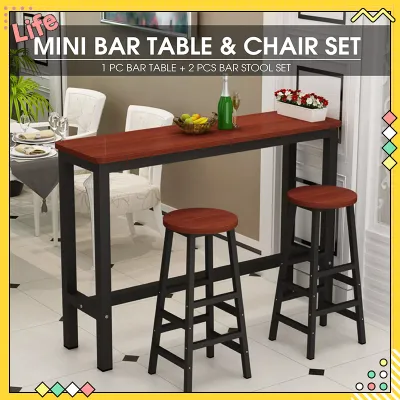
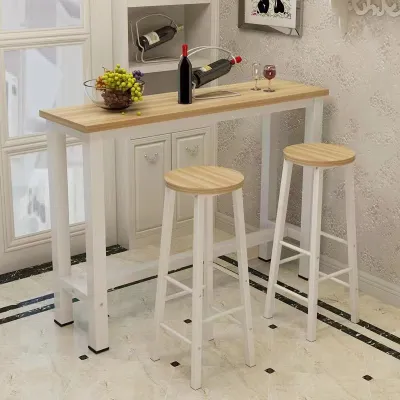
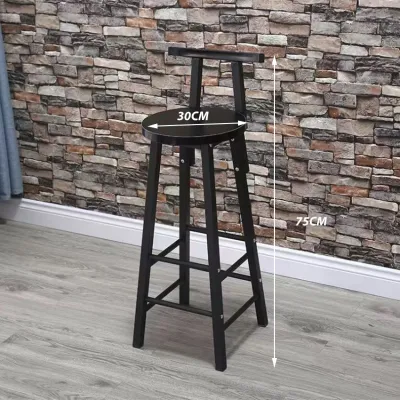
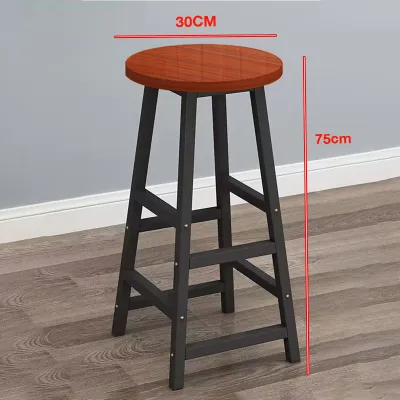
Prices are valid at publication and may change. Please refer to the product page for the latest price.
Intense ultraviolet (UV) radiation from the tropical sun poses another major challenge. Prolonged exposure to harsh sunlight breaks down chemical bonds in plastics, synthetic weaves, and surface finishes, leading to fading, cracking, and peeling. Over time, this solar degradation makes materials brittle, rendering elevated bar chairs unsafe as their load-bearing components weaken.
Additionally, heavy rainfall and high winds during the monsoon season, or habagat, demand excellent water shedding and physical stability. Standing water on flat table surfaces can seep into joints, causing internal rot in wood or rapid oxidation in metals. High winds also pose a tipping hazard for tall, top-heavy bar tables and chairs, making structural weight distribution and secure anchoring critical considerations.
Evaluating Common Materials for Bar Table and Chair Sets
When shopping for a bar table and chair set, it is easy to be swayed by broad material categories like “wood” or “metal.” However, a material’s name alone does not guarantee performance in a tropical environment. To make an informed decision, you must look past marketing terms and evaluate the specific structural features, protective treatments, and assembly methods of each material option.

Metal and Aluminum Options
Metal bar sets are valued for their sleek profiles and structural strength, but they require careful inspection to handle high humidity and coastal salt air. When evaluating metal frames, look for explicit manufacturer labels indicating a powder-coated finish or specialized rust-inhibiting treatments rather than relying on bare metal descriptions. Powder coating provides a thick, baked-on protective barrier that is far more resilient against moisture and scratches than standard liquid paint.
It is equally important to inspect welded joints and hidden connection points, such as the undersides of table tops and the inner curves of chair legs. These recessed areas are where moisture and condensation accumulate, making them prime targets for internal corrosion if the protective coating is thin or unevenly applied. Check that all joints are fully welded and sealed, leaving no open gaps where water can enter hollow metal tubing.
Because bar tables and chairs are naturally taller than standard dining sets, they have a higher center of gravity, making them more susceptible to being knocked over by strong winds. When choosing metal options, verify the weight and base stability of the pieces. Lightweight aluminum is highly rust-resistant but may require sand-weighted bases or anchoring if placed in exposed, windy areas, whereas heavier wrought iron or steel offers excellent wind resistance but demands meticulous rust-prevention maintenance.
Treated Wood and Hardwood
Natural wood brings warmth and organic beauty to outdoor spaces, but it requires specific treatments and structural designs to survive the humid Philippine climate. Before purchasing a wooden bar set, verify the manufacturer’s specifications on the product label for water-resistant sealants, protective oils, or pressure treatments. These treatments help prevent the wood from absorbing moisture, which causes swelling, warping, and eventual structural failure.
The physical design of the wooden furniture is just as important as its chemical treatment. Inspect the table surfaces and chair seats to ensure they feature proper drainage gaps, such as slatted designs, rather than solid, flat sheets of wood. These gaps allow rainwater to drain away quickly instead of pooling on the surface, significantly reducing the risk of water damage and mold growth.
You should also look closely for signs of inadequate manufacturing that could lead to premature rot. Check the end grains of the wood, particularly at the bottom of the chair and table legs, to ensure they are fully sealed and protected from ground moisture. Avoid sets with exposed, untreated hardware or unsealed joints, as these areas allow water to penetrate deep into the wood fibers, leading to hidden rot that compromises the safety of the furniture.
Synthetic Rattan and Plastics
Synthetic rattan and molded plastics are popular choices for outdoor bar sets due to their lightweight nature and modern designs, but they must be carefully evaluated to avoid UV degradation. When looking at synthetic rattan, check the product specifications for a UV-stabilized or UV-resistant label. Without this stabilization, the plastic fibers will quickly become brittle under the intense tropical sun, leading to fraying, cracking, and unraveling of the weave.
Do not assume that a synthetic rattan set is completely immune to rust; you must also check the material used for the internal frame. The outer plastic weave does not protect the core from moisture, so if the internal frame is made of untreated steel, it can rust from the inside out, causing the entire structure to collapse. Look for sets that specify rust-free aluminum or powder-coated metal frames beneath the synthetic weaving.
For solid plastic bar stools and tables, evaluate the thickness of the material and look for structural reinforcement, such as molded ribs on the underside of the seats and table tops. Check the manufacturer’s weight capacity labels to ensure the chairs can safely support users over long periods. High-quality, high-density plastics are designed to resist bending and warping under heat, but thinner, non-reinforced plastics can sag and lose their shape when exposed to direct afternoon sunlight.
Key Specifications to Check Before Buying
Before finalizing your purchase of a bar table and chair set, run through a practical checklist covering dimensions, safety, and build quality. Start by measuring your available outdoor space carefully, keeping in mind that bar seating requires more clearance than standard dining chairs. Ensure there is ample space behind each bar stool for guests to push back, stand up, and walk around comfortably without bumping into walls, railings, or other furniture.
Next, verify the weight capacity labels and structural stability of the elevated bar seating. Because bar chairs are taller, any structural instability is magnified when someone is seated, making robust construction a primary safety concern. Look for chairs with wide, stable bases and integrated footrests, which not only provide comfort but also act as structural stretchers that reinforce the legs and prevent them from splaying over time.
Pay close attention to the hardware materials used to assemble the bar set. Check the product specifications to ensure that all screws, bolts, and brackets are made of stainless steel, galvanized steel, or brass. Low-quality hardware will quickly rust in humid conditions, leaving unsightly orange stains on your patio floor and weakening the structural connections of your furniture.
Finally, review the manufacturer’s warranty terms in detail, paying close attention to what is covered regarding outdoor use. A reliable outdoor furniture warranty should explicitly cover weather-related issues, such as UV-induced fading, structural cracking, and rust, for a specified period. If the warranty excludes outdoor exposure or moisture damage, it is a strong indicator that the set may not be built to withstand the demanding Philippine climate.
Maintenance and Care for Longevity in Humid Conditions
Even the most durable outdoor bar table and chair set requires regular maintenance to extend its lifespan in a tropical environment. Establish a routine cleaning schedule using mild, non-abrasive solutions, such as a mixture of gentle dish soap and warm water, to remove dirt, pollen, and organic debris. Allowing organic matter to accumulate on your furniture creates a nutrient-rich layer that holds moisture and encourages the growth of mold and mildew, which can eventually damage protective finishes.
After cleaning or following a heavy downpour, practice proper drying techniques to prevent moisture from remaining trapped in crevices. If you use protective covers, ensure they are made of breathable, waterproof materials. Non-breathable plastic covers can trap humidity underneath, creating a greenhouse effect that accelerates rust, wood rot, and mold growth rather than preventing it.
Regularly inspect your bar set for signs of irreversible damage that may require professional repair or immediate replacement to ensure safety. Look for deep, bubbling rust on metal frames, structural wood rot that feels soft to the touch, or severely compromised joints that wobble under pressure. If a chair’s structural integrity is compromised, discontinue its use immediately to prevent accidents.
During extreme weather events, such as typhoons or severe monsoon storms, take proactive steps to protect your furniture. Store lightweight chairs, cushions, and easily disassembled pieces indoors, in a garage, or under a solid, protective roof. Keeping your bar set sheltered during the worst of the wet season will significantly reduce its exposure to harsh elements and help preserve its appearance and structural strength for years to come.
Frequently Asked Questions (FAQ)
Can I leave my bar set outside during the monsoon season?
Whether you can leave your bar set outside depends strictly on the manufacturer’s specific weather-resistance ratings and care instructions. If the set is rated for year-round outdoor exposure, you can leave it outside, provided you use high-quality, breathable waterproof covers and place the furniture in an area with excellent drainage and airflow to prevent water from pooling around the legs. However, during severe typhoons or prolonged periods of torrential rain, it is highly recommended to bring lightweight items and cushions indoors or store the entire set under a solid roof to prevent irreversible water damage and wind hazards.
How do I check if metal furniture is truly rust-resistant?
To verify rust-resistance claims, start by reading the product labels and technical specifications for specific coating types, such as powder coating, hot-dip galvanization, or marine-grade finishes. Next, physically inspect the furniture, paying close attention to hidden areas like the underside of the table top, the inside of the chair legs, and the areas around welded joints to ensure there are no unfinished spots or thin patches of coating. Finally, monitor the furniture regularly during use; if you notice early signs of oxidation or paint bubbling, immediately follow the manufacturer’s recommended touch-up procedures using a compatible rust-inhibiting paint to prevent the rust from spreading.
Community discussion
Share your experience or ask a question. Comments are reviewed before publication.