
Quick Answer: Matching Bed Styles to Mobility and Space Needs
Selecting a bed for older adults in a compact condo requires balancing physical accessibility with limited floor space. Low-profile platform beds offer excellent stability and a minimal footprint for those with moderate mobility. Motorized adjustable beds provide superior assistance for breathing, circulation, and transfers, though they require dedicated clearance and power. Storage beds (with drawers or hydraulic lifts) maximize tight condo spaces but introduce physical challenges like heavy lifting or requiring wide floor clearance to open drawers. Ultimately, the best choice depends on the user’s specific physical mobility and the exact dimensions of the bedroom.
Essential Selection Criteria for Older Adults
Bed Height and Transfer Safety

The height of the bed is the most critical factor for safe transfers. When sitting on the edge of the mattress, the user’s feet must rest flat on the floor with knees bent at a comfortable 90-degree angle. This alignment keeps the hips level with or slightly higher than the knees, making it easier to stand up without straining. A bed that is too low requires excessive lower-body strength to exit, while a bed that is too high forces the user to slide or drop down, increasing the risk of slips and falls.
Products mentioned in this guide
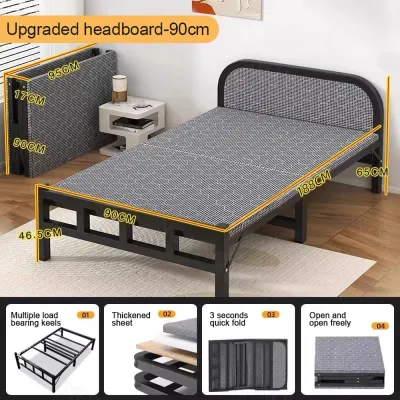
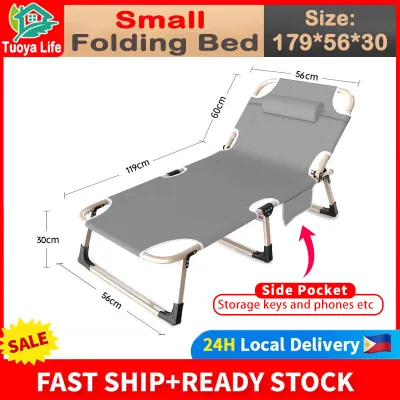
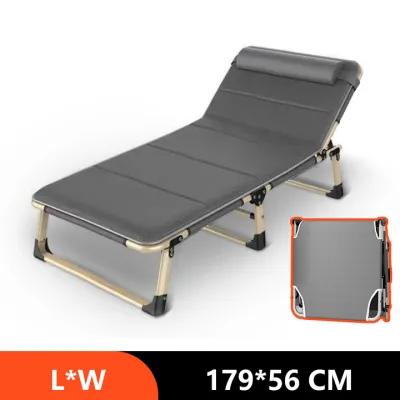
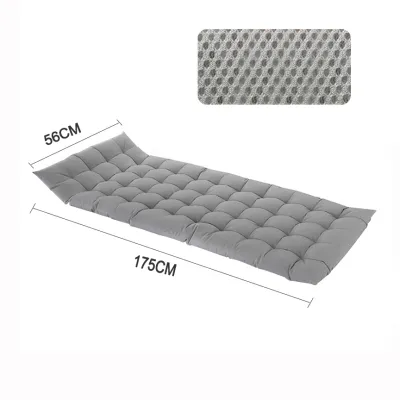
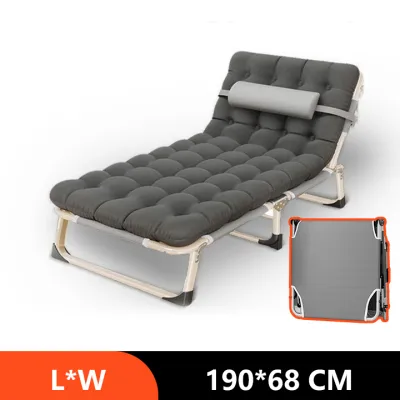
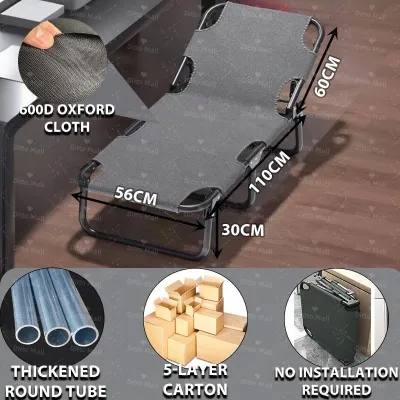
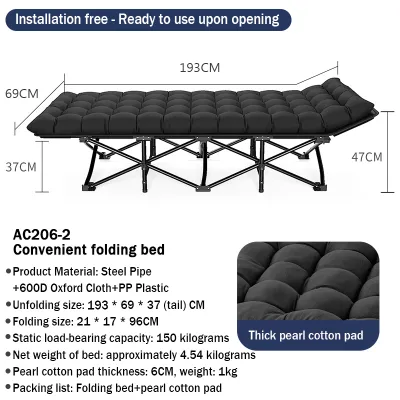

Prices are valid at publication and may change. Please refer to the product page for the latest price.
Frame Stability and Edge Support
A safe bed frame must remain completely stationary when weight is shifted to the edges. Frames made of solid wood or heavy-duty steel with reinforced center support legs prevent the mattress from tilting or sagging. Avoid lightweight frames that slide easily on polished tile or laminate flooring, which are common in modern condo units. In tropical climates like the Philippines, high humidity can affect wood joints over time, so regular checks of the frame’s structural connections are essential to maintain stability.
Clearance for Mobility Aids
If the user relies on a walker or wheelchair, the bedroom layout must accommodate these devices. There must be enough open floor space next to the bed to park and maneuver the aid safely. A cramped layout that forces the user to squeeze past furniture increases the risk of trips and bumps.
Mattress Compatibility
The bed frame must work in tandem with a supportive mattress. A mattress with weak, sagging edges compromises safety during transfers. Look for frames that support pocketed spring or hybrid mattresses with reinforced foam encasements, ensuring the edge remains firm and stable when the user sits down to prepare for sleep.
Evaluating Bed Frame Styles for Small Condos
Choosing a bed frame for a compact condo involves evaluating how each style performs across three main areas: physical stability, ease of daily operation, and spatial footprint. In tropical climates where humidity can affect indoor air quality, the design of the frame also influences ventilation and dust accumulation.
Low-Profile and Standard Platform Beds
Simple and Stable Designs
Low-profile platform beds feature a solid or slatted base that sits relatively close to the floor. Because they do not require a bulky box spring, they maintain a clean, minimalist aesthetic that makes small condo bedrooms feel more open and less cluttered.
Physical Limitations
The fixed height of a standard platform bed means it cannot be adjusted as mobility needs change over time. Additionally, the low clearance underneath can make it difficult to clean dust and debris, which is a consideration for older adults with respiratory sensitivities. If the frame is too low, it can also strain knees during transfers.
Condo Space Efficiency
These frames are highly efficient for tight spaces because their outer dimensions closely match the mattress size. They sit flush against walls, leaving maximum floor space for walkways and other essential furniture.
Adjustable Bed Frames
Motorized Assistance
Adjustable bed frames use electric motors to elevate the head and foot sections of the mattress. This articulation helps older adults sit up independently, eases the transition out of bed, and can alleviate symptoms of acid reflux, poor circulation, or respiratory issues. Some models also feature under-bed lighting, which is an excellent safety feature for nighttime bathroom trips.
Weight and Power Requirements
These frames are exceptionally heavy due to their steel construction and motorized components. They require access to grounded electrical outlets, meaning power cords must be carefully routed to avoid creating tripping hazards along walkways.
Condo Space Considerations
When the head of an adjustable bed elevates, some models slide backward toward the wall, while others pivot forward. It is essential to choose a “wall-hugger” model in a small bedroom to prevent the bed from blocking bedside tables or light switches when articulated.
Storage Beds (Drawers vs. Hydraulic Lift)
Drawer-Style Storage Beds
Beds with built-in drawers in the base are excellent for storing extra linens and clothing without taking up extra floor space. However, these drawers require at least 50 to 60 centimeters of clear floor space to open fully. If a walker is parked nearby, or if the room is narrow, accessing these drawers can be physically awkward and difficult.
Hydraulic Lift Beds
Hydraulic or gas-lift beds allow the entire mattress platform to be raised, revealing a massive storage compartment underneath. While this maximizes storage volume, the physical effort required to pull the platform back down can be dangerous for older adults with limited upper-body strength or balance issues. There is also a risk of sudden closure if the gas struts wear out over time.
Safety Boundaries for Storage
For older users, drawer beds are generally safer than hydraulic lifts, provided there is ample clearance. If storage beds are used, they should only hold seasonal or rarely used items to minimize how often the older adult needs to operate them.
Space Planning and Measurement Guide
Walkway Widths
To ensure safe navigation, maintain a clear walkway of at least 90 centimeters on the side of the bed used for transfers. If the user utilizes a wheelchair, a turning clearance of 120 to 150 centimeters is ideal. Avoid placing decorative rugs along these pathways, as their edges can easily catch on walker wheels or cause trips.
Obstruction Checks
Before purchasing a frame, map out the swing paths of all doors in the room. This includes the main bedroom door, wardrobe doors, and window panels. In tight condo layouts, sliding wardrobe doors are highly preferable to swing-out doors, as they do not encroach on the walkways around the bed.
Delivery and Assembly Logistics
High-rise condo living introduces unique delivery challenges. Measure the height, width, and diagonal clearance of the condo’s service elevator, as well as any tight turns in the hallways. A solid, one-piece queen or king-sized frame may not fit through these spaces, making modular or split-frame designs a much safer choice for hassle-free delivery and assembly.
Safety Checks and Installation Requirements
Weight Capacity Verification
Always verify the manufacturer’s maximum weight limit for both the frame and the mattress. This limit must comfortably accommodate the combined weight of the user, the mattress, bedding, and the dynamic force exerted when sitting down heavily on the edge of the bed.
Anti-Tip and Anchoring
If the bed frame features a tall, heavy headboard or integrated shelving, it can become top-heavy. In such cases, anchoring the headboard securely to the wall is highly recommended. For condos with concrete walls, ensure the installation team uses appropriate masonry anchors rather than standard drywall screws.
Professional Assembly
Avoid DIY assembly if the user or family members lack the physical strength or tools required for a secure setup. Professional assembly services, which are widely available through local furniture retailers, ensure that all joints, bolts, and support slats are tightened to exact specifications, minimizing the risk of structural failure.
Post-Installation Inspection
Once the bed is assembled, perform a thorough physical inspection. Run your hands along the frame to check for sharp wooden splinters, rough metal edges, or protruding hardware. Ensure the legs are fitted with non-slip rubber pads to prevent the frame from shifting on smooth tile or laminate floors when the user sits down.
Frequently Asked Questions (FAQ)
Can I use a standard bed frame with bed risers to adjust the height?
Using aftermarket plastic or wooden bed risers is not recommended for older adults. Risers can slip, crack under sudden weight shifts, or cause uneven weight distribution, which compromises the structural integrity of the frame. They also void most manufacturer warranties. If the bed height needs adjustment, it is far safer to select a frame with native adjustable legs or choose a mattress thickness that achieves the correct overall height.
Are trundle beds a good space-saving option for older adults?
Trundle beds are generally unsuitable as a primary sleeping solution for older adults. The lower trundle mattress sits almost flush with the floor, making transfers physically demanding and highly unsafe for anyone with limited mobility. Additionally, pulling the lower bed out requires significant bending and pulling strength. Trundle beds should only be used for occasional younger guests, while the primary user remains on a standard-height bed.
Community discussion
Share your experience or ask a question. Comments are reviewed before publication.