
Finding the right bed for your child is a major milestone that directly impacts their safety, comfort, and sleep quality. Instead of relying solely on age, the transition depends on physical growth, developmental milestones, and behavioral readiness. Matching your child’s developmental stage to the correct bed type ensures they remain secure throughout the night while giving you peace of mind.
This guide breaks down the transition from cribs to toddler beds and single beds, helping you identify when your child is ready for a change. By evaluating your home’s layout, budget, and safety requirements, you can make an informed decision that supports your child’s growth and fits your household needs.
Quick Answer: Matching Bed Types to Developmental Stages
Selecting the right bed involves understanding the primary purpose of each bed type and how it aligns with your child’s physical development. While age brackets offer a general guideline, individual behavior and manufacturer specifications are the most reliable indicators for making a transition.
Products mentioned in this guide
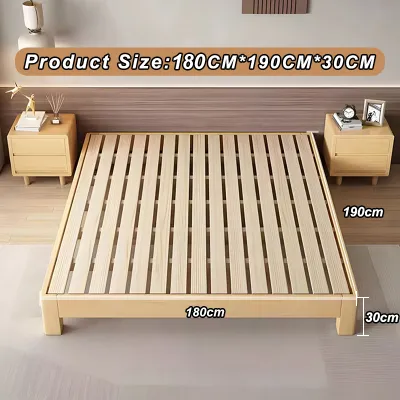
Prices are valid at publication and may change. Please refer to the product page for the latest price.
- Cribs: Designed for infants and young toddlers, providing a fully enclosed, secure environment that prevents unsupervised wandering. Most children remain in a crib until they show signs of climbing out or reach the manufacturer's height limit.
- Toddler Beds: A transitional option that is low to the ground, often utilizing the same mattress size as a standard crib. They feature built-in guardrails to prevent falls while allowing the child to climb in and out independently.
- Single Beds: Standard-sized beds that accommodate children from early childhood through their teenage years. They offer long-term utility but require additional safety modifications, such as removable guardrails, for younger children.
Because children grow and mature at different rates, there is no single “correct” age to upgrade their bed. Observing your child’s physical capabilities and sleep habits will provide the clearest signal that it is time to move to the next stage.
Observable Signs Your Child Is Ready to Leave the Crib
Before purchasing a new bed, observe your child’s daily behavior and physical growth to determine if they have outgrown their crib. The most critical physical indicator is when a child attempts to climb out of the crib. If the mattress is at its lowest setting and the top rail is below your child’s chest level, they can easily lose their balance and fall, making a transition urgent.

Manufacturer specifications also dictate when a crib is no longer safe. Most cribs have a maximum height limit of 89 centimeters, or specify that the child should transition once they reach a certain weight. Regularly checking these limits in your product manual helps prevent structural failures or tipping hazards.
Developmental milestones, such as nighttime potty training, are another clear sign that a crib is no longer practical. If your child is learning to use the toilet independently overnight, they must be able to leave their bed safely without waiting for an adult to lift them out. A bed that restricts their movement can hinder their progress and lead to nighttime accidents.
Finally, pay attention to behavioral cues and comfort levels. In warm and humid tropical climates, such as in the Philippines, a child who has outgrown their crib may become restless and sweaty due to restricted airflow in a cramped sleeping space. If your child constantly bumps against the crib slats or expresses a strong desire for a “big kid” bed, they are likely ready for an open sleep environment.
Toddler Bed vs. Single Bed: Evaluating Your Space and Long-Term Needs
When moving on from a crib, parents generally choose between a transitional toddler bed and a standard single bed. Each option has distinct advantages depending on your home’s layout, budget, and long-term plans.
Room footprint and layout constraints play a significant role in this decision. In many homes, children’s bedrooms are compact or shared with siblings, requiring space for wardrobes, study desks, and play areas. A toddler bed has a much smaller footprint, preserving valuable floor space for daytime activities. A single bed, while larger, requires careful placement to ensure it does not block closet doors or restrict movement around the room.
Budget considerations are also a key factor for families. A toddler bed is often highly affordable upfront and can sometimes reuse your existing crib mattress, saving you immediate costs. However, because children outgrow toddler beds within a few years, you will eventually need to purchase a single bed. Investing in a high-quality single bed frame upfront in ₱ may carry a higher initial cost, but it serves as a long-term solution that lasts into adolescence, saving you money over time.
Consider the longevity and adaptability of the bed frame as your child grows. A single bed offers excellent durability and can accommodate growth spurts without needing a replacement. If you choose a single bed for a younger child, you must assess their fall protection needs. While toddler beds come with built-in safety rails, a standard single bed will require you to purchase compatible, secure guardrails to prevent nighttime falls.
Essential Safety and Room Layout Checks Before Purchasing
Ensuring a safe sleep environment requires careful preparation of both the bed frame and the surrounding room layout. Before finalizing your purchase, verify that the mattress fits perfectly within the bed frame. Gaps between the mattress and the frame can create dangerous entrapment hazards where a child’s limbs or head could become stuck.
Guardrail specifications must be checked thoroughly to ensure they provide adequate protection. Look for guardrails that attach securely to the bed frame without wobbling, and ensure they are high enough to prevent your child from rolling over them, even with a thick mattress. The gaps between the guardrail slats should be narrow enough to prevent a child’s head from passing through.
Room layout is just as important as the bed itself. Any tall furniture adjacent to the bed, such as wardrobes, bookshelves, or chests of drawers, must be securely anchored to the wall to prevent tip-over accidents if a child attempts to climb them. Additionally, maintain adequate walking clearance around the bed to prevent accidental bumps during the night.
In humid environments, proper placement also protects your child’s health. Avoid pushing the bed completely flush against external walls; leaving a small gap of a few centimeters allows air to circulate, which helps prevent moisture buildup and mold growth on the mattress and walls. Always review product labels and care instructions to ensure the materials used are sturdy, non-toxic, and easy to clean.
When to Wait: Reasons to Delay the Bed Transition
While it can be exciting to upgrade your child’s room, transitioning too early can lead to sleep disruptions and safety hazards. If your child lacks boundary awareness, they may repeatedly wander out of bed unsupervised during the night. A child who cannot stay in bed safely is not yet ready for the freedom of an open toddler or single bed.
Significant life changes can also make a transition difficult. If your family is currently dealing with a move, a new sibling, or the start of preschool, delaying the bed transition is often wise. Introducing a new bed during a period of stress can trigger sleep regressions, frequent night wakings, or resistance to bedtime.
Always adhere to the manufacturer’s minimum age, weight, or height requirements before moving your child to a larger bed. If your child is physically too small for a single bed or lacks the coordination to navigate a higher frame safely, keeping them in their crib or a low transitional bed is the safest choice. Waiting until they are fully ready ensures a smoother, safer transition for the entire household.
Frequently Asked Questions (FAQ)
Can I skip the toddler bed and move directly to a single bed?
Yes, skipping the toddler bed is a practical way to save money and avoid purchasing multiple bed frames. To do this safely, you must make a few modifications to accommodate a younger child. Consider choosing a low-profile single bed frame or placing the mattress directly on the floor initially to minimize the risk of falls. You should also install sturdy, removable guardrails on both sides of the bed until your child develops better spatial awareness during sleep.
How do I ensure the mattress fits safely in the new bed frame?
To ensure a safe fit, always refer to the bed manufacturer’s specifications for the exact mattress dimensions required. You can perform a simple check by sliding your index and middle fingers between the edge of the mattress and the bed frame. If there is enough space to fit more than two fingers, the mattress is too small, creating a gap that poses an entrapment hazard. Additionally, check the product labels to ensure the mattress thickness does not exceed the recommended limit for your guardrails.
Community discussion
Share your experience or ask a question. Comments are reviewed before publication.