
Transforming a tropical outdoor space into a stylish, shaded sanctuary requires balancing aesthetic appeal with practical durability. A bohemian sunshade net offers an elegant solution, blending the relaxed, textured look of macrame, fringe, or woven patterns with essential relief from the intense Philippine sun. Whether styling a cozy high-rise balcony in Metro Manila, a provincial garden pergola, or a breezy patio, selecting the right net involves more than just picking a beautiful design. You must evaluate how the material interacts with local weather patterns, structural supports, and your specific spatial constraints to ensure a safe, long-lasting setup.
Assessing Your Outdoor Space and Sun Protection Needs
Before browsing online marketplaces for the perfect bohemian design, you must thoroughly assess the physical characteristics of your outdoor area. Begin by taking precise measurements of the available width, drop length, and vertical clearance. Ensure you account for existing furniture, hanging plants, and light fixtures to prevent the net from crowding the space or interfering with daily movement. A net that hangs too low can restrict airflow, while one that is too small will fail to provide adequate shade during peak daylight hours.
Next, observe the sun’s path across your property throughout the day. In the Philippines, the afternoon sun can be particularly harsh, requiring a higher density weave to keep seating areas comfortable. Note the primary wind directions as well; elevated spaces or coastal properties often experience strong gusts that demand robust tie-down points. If your chosen spot is highly exposed, a dense, solid fabric might act like a sail, putting immense pressure on your mounting points, whereas an open-weave macrame or crocheted design allows wind to pass through more freely.
Products mentioned in this guide
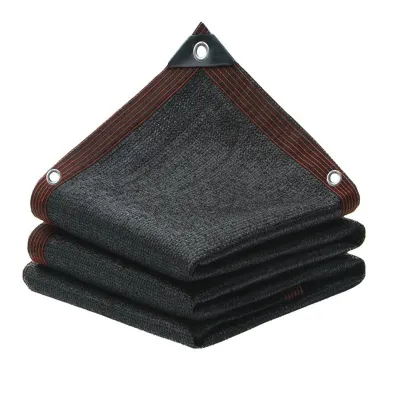
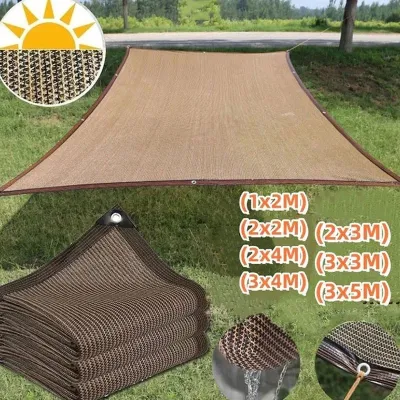
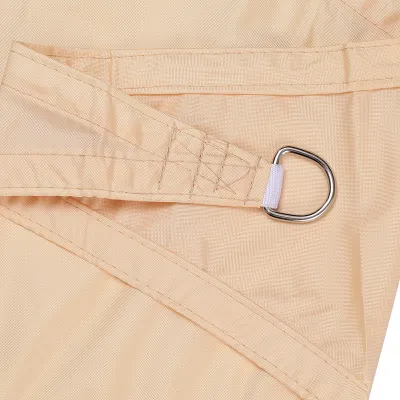
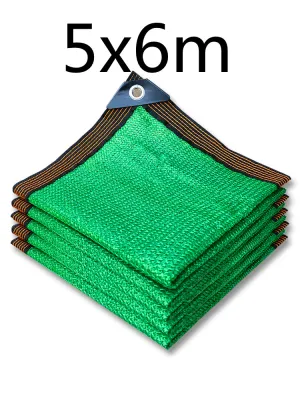
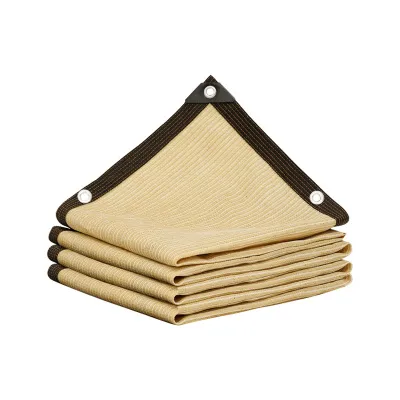
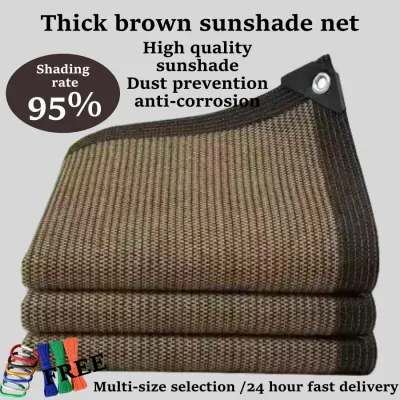
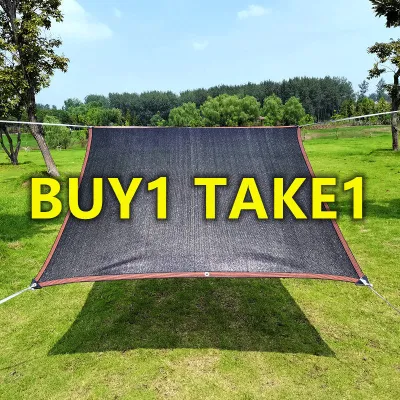
Prices are valid at publication and may change. Please refer to the product page for the latest price.
Finally, inspect the structural integrity of your existing supports. Whether you plan to attach the net to wooden pergola beams, concrete walls, or metal balcony railings, verify that these structures can handle both the dead weight of the fabric and the dynamic load caused by wind tension. Look for signs of wear, such as rusted metal, rotting wood, or crumbling masonry, before planning your installation. If your supports are weak or temporary, you will need to opt for lightweight netting materials and non-invasive mounting solutions.
Essential Features to Evaluate in Bohemian Sunshade Nets
When evaluating bohemian sunshade nets, look past the styling photos and focus on the technical specifications provided on the product label or manufacturer description. The fabric density and UV block ratings are critical indicators of how much sun protection the net will actually deliver. Look for products that explicitly state their shading percentage or UV protection factor. A higher percentage means tighter weaves and cooler spaces, but it also reduces light transmission, which might not be ideal if you want to keep nearby sun-loving tropical plants alive.

Examine the construction details closely, paying attention to the edge finishing and corner reinforcement. High-quality sunshade nets feature double-stitched hems, heavy-duty webbing along the borders, and rust-resistant metal grommets spaced at regular intervals. These features prevent the fabric from fraying under tension and ensure that the pulling force from tie-downs is distributed evenly across the material. If a net lacks reinforced corners or has poorly spaced grommets, it is highly susceptible to tearing during sudden downpours or windy afternoons.
Given the high humidity and seasonal heavy rains in the Philippines, verifying weather resistance claims is essential. Check if the material is treated to resist moisture, mold, and mildew, which can quickly ruin natural cotton fibers. While authentic cotton macrame offers an unmatched organic texture, synthetic alternatives like high-density polyethylene (HDPE) or treated polyester blends often provide superior longevity in tropical climates. Always review the manufacturer’s care instructions to understand how the material behaves when wet.
Matching Net Styles to Specific Outdoor Areas
Achieving a harmonious outdoor setup requires matching the physical weight, weave density, and mounting style of your bohemian sunshade net with the specific architectural features of your space. Different environments present unique structural challenges and aesthetic opportunities that dictate which net design will perform best.
Balconies and Compact Spaces
Balconies and high-rise outdoor spaces demand careful planning due to wind hazards and limited square footage. For these elevated areas, prioritize lightweight bohemian nets that feature secure, multi-point tie-offs rather than heavy, free-hanging drapes. A lightweight net minimizes the risk of structural strain on your railings and is much easier to manage during sudden weather changes. Look for designs with adjustable tensioning systems, such as turnbuckles or elastic bungee cords, which allow you to fine-tune the tautness and prevent the fabric from flapping violently in the wind.
Privacy is often a primary concern in compact urban settings, making the drop length of your net a key decision factor. Choose a length that shields your space from neighboring views without obstructing essential floor drainage. Ensure the bottom of the net remains elevated slightly above the balcony floor to prevent it from soaking up pooled rainwater, which can lead to unsightly staining and fiber degradation.
Patios and Open Decks
Patios and ground-level decks offer more flexibility, allowing you to focus on aesthetic integration and adaptable shading configurations. For these larger, open areas, consider using wider panels or modular pieces that can be layered or draped creatively to block the sun at different angles throughout the day. Layering multiple lightweight nets can create a beautiful, textured bohemian canopy while allowing you to adjust the level of shade as the seasons change.
When installing a net over an open deck, verify that any ground-level supports, such as vertical poles, are compatible with your flooring material. If you cannot drill into your deck surface, look for heavy, weighted bases or secure planter anchors to hold the support poles in place. Additionally, pay close attention to decorative elements like long fringes or low-hanging macrame tassels. While these details enhance the bohemian aesthetic, they should be positioned high enough to avoid dragging on the floor, where they can accumulate dirt or absorb ground moisture.
Garden Pergolas and Large Structures
Garden pergolas and large wooden or metal frameworks provide the ideal foundation for expansive, overhead bohemian sunshade nets. To ensure a clean and functional installation, measure the spacing of your pergola’s overhead beams and match them to the net’s grommet or loop intervals. A proper match allows you to secure the net flat against the structure, preventing wind from getting underneath and lifting the fabric.
Because large-span nets carry significant weight, you must ensure that your pergola can support the overhead load without sagging or bowing over time. If the fabric is heavy, consider installing support wires or stainless steel cables underneath the net to distribute the weight evenly across the beams. Furthermore, unless the manufacturer explicitly certifies the material for year-round exposure to tropical storms, plan for a system that allows for easy seasonal removal or retraction so you can protect your investment.
Installation and Safety Checks for Outdoor Decor
A secure installation is paramount to enjoying your bohemian outdoor retreat safely. Always use manufacturer-approved hardware specifically rated for your mounting surface, whether you are anchoring into solid concrete, hardwood beams, or metal frames. Standard household screws or adhesive hooks are rarely sufficient to withstand the constant tension and wind loads experienced by outdoor fabrics; instead, opt for heavy-duty eye bolts, carabiners, and weather-resistant tensioners.
Never compromise safety by drilling into structural glass frames, weak balcony railings, or unknown hollow walls. If you are renting your home or living in a condominium, check your building’s guidelines regarding permanent wall alterations before starting any drilling. If permanent drilling is prohibited, explore non-invasive mounting alternatives such as heavy-duty tension rods or freestanding support frames designed for outdoor use.
Stop the installation immediately and consult a qualified local contractor if you notice any signs of structural distress during the process. Cracking concrete, splitting wood, or loose railing joints indicate that the structure cannot safely support the added tension of a sunshade net. Taking the time to address these structural issues beforehand prevents costly damage to your property.
Frequently Asked Questions (FAQ)
How do I clean a macrame or fringed sunshade net without damaging it?
Always start by checking the manufacturer’s care label for specific washing limits and material restrictions. For general maintenance, spot-cleaning with a soft cloth, mild detergent, and lukewarm water is the safest way to remove dirt and bird droppings without damaging delicate woven fibers. Avoid using harsh chemical bleach, high-pressure washers, or stiff-bristled brushes, as these can easily fray the decorative knots and unravel fringed edges. Once cleaned, allow the net to air-dry completely in a flat or gently draped position before reattaching it to your outdoor structure, as reinstalling damp fabric can trap moisture and encourage the growth of mold or mildew.
Can I leave my bohemian sunshade net up during heavy rain or strong winds?
You should refer to the product’s specific weather resistance ratings and wind limits provided by the manufacturer. As a general rule, bohemian sunshade nets—especially those featuring intricate macrame, long fringes, or heavy woven fabrics—should be taken down or securely retracted when high winds, heavy tropical rains, or storms are forecasted. Leaving the net exposed during severe weather can place extreme stress on both the fabric and your mounting structures, leading to tears or structural failure. After any period of heavy rain or wind, inspect all tie-downs, tensioners, and fabric edges for signs of wear or loosening to ensure the setup remains safe and secure.
Community discussion
Share your experience or ask a question. Comments are reviewed before publication.