
Finding the right balance between storage and space is a common hurdle when furnishing a compact condominium study in the Philippines. As urban living spaces in Metro Manila and other major cities become more streamlined, every square meter of a study area must be utilized with precision. A poorly chosen storage unit can quickly make a small room feel claustrophobic, dark, and difficult to navigate.
The most effective solution for a compact condo study is a vertical, narrow bookshelf that maximizes wall height while maintaining a shallow footprint. By selecting a unit with a depth of 30 centimeters or less and utilizing vertical space up to the ceiling, you can store an extensive collection of books and office supplies without encroaching on primary walking paths. Choosing the right configuration—whether it is a freestanding tower, a corner unit, or wall-mounted shelves—depends heavily on your specific wall construction, room layout, and daily workflow.
Measuring Your Study Area and Access Routes for a Bookshelf
Before browsing online marketplaces or local furniture showrooms, you must obtain precise measurements of your designated study area. Start by measuring the width and depth of the floor space where you plan to position the unit. Use a metal measuring tape for accuracy, and do not rely on visual estimates, as even a discrepancy of a few millimeters can prevent a furniture piece from fitting into a tight corner.
Products mentioned in this guide
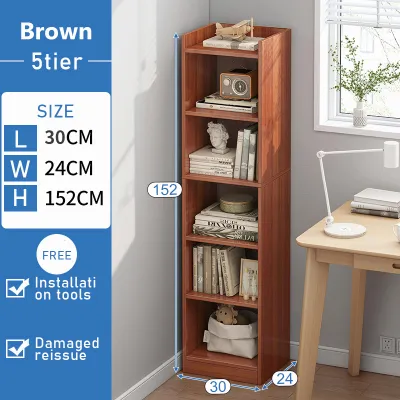
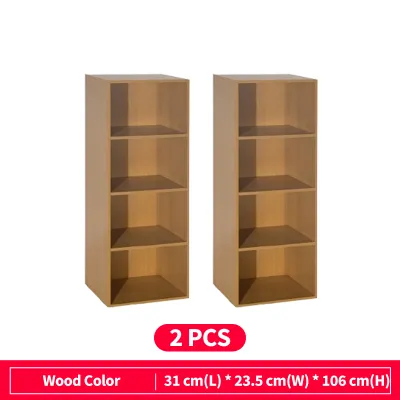
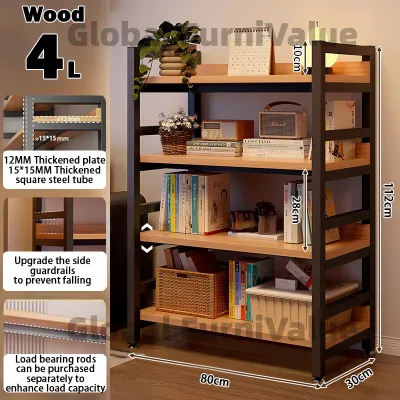
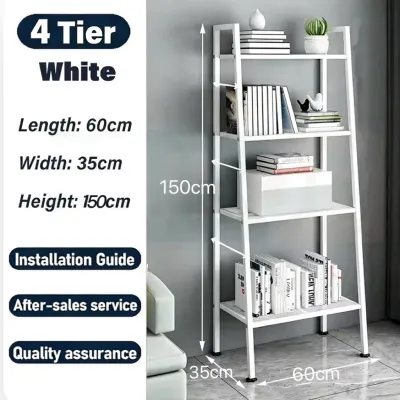
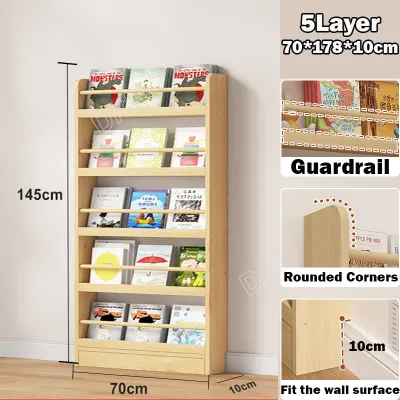
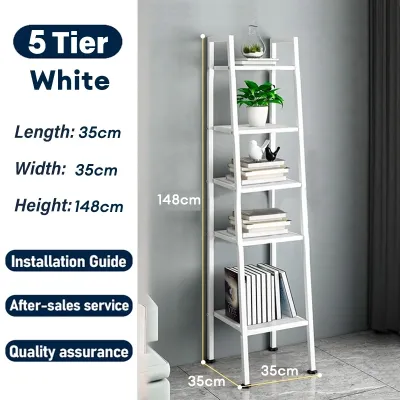
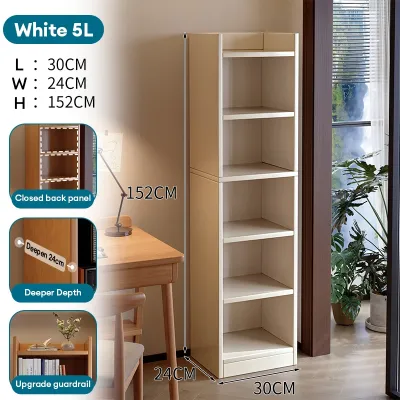
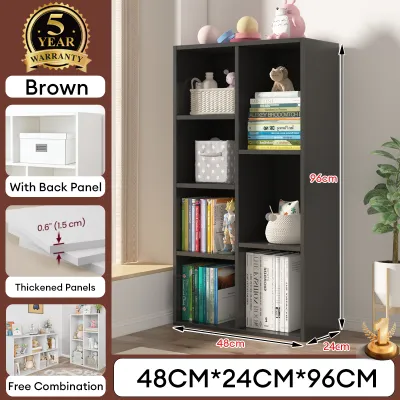
Prices are valid at publication and may change. Please refer to the product page for the latest price.
When measuring the footprint, look closely at the base of your walls. Many modern Philippine condos feature thick timber or PVC baseboards that project outward by one to two centimeters. If your measurements do not account for these baseboards, your bookshelf will not sit flush against the wall, creating an awkward gap behind the unit and reducing stability. Additionally, note the locations of electrical outlets, light switches, internet ports, and window sills, ensuring that the back or side panels of the furniture will not cover these essential features.
Vertical clearance is equally critical, especially if you plan to install a tall tower unit. Measure the height from the floor to the ceiling at multiple points along the wall, as concrete slab ceilings in high-rise buildings can sometimes be slightly uneven. Be highly conscious of overhead obstructions such as split-type air conditioning units, ceiling fans, light fixtures, and decorative drop ceilings or gypsum board bulkheads. A bookshelf must never block the intake or discharge airflow of an air conditioning unit, as this can lead to poor cooling performance and potential water dripping issues.
The physical dimensions of the room are only half of the equation; you must also map out the entire delivery and assembly path. Measure the height and width of your condo unit’s main entry door, any internal hallways, and the doorway to the study room itself. If the furniture piece arrives pre-assembled or in large, heavy flat-packs, it must be able to clear these entryways without damaging the walls or the item.
Do not forget to verify the communal access points of your condominium building. Take a measuring tape to the building’s passenger or service elevators, checking the door clearance height, cabin depth, and diagonal interior height. If the elevator is too small, you may have to carry the components up the emergency stairwell, which requires checking the turning radius of the landings. Confirming these logistics beforehand prevents the costly and frustrating scenario of purchasing a beautiful piece of furniture that cannot physically enter your home.
Determining the Right Bookshelf Dimensions
Selecting the correct dimensions for your storage furniture requires a careful balance between your actual storage needs and the physical limits of the room. The depth of the shelves is often the most critical dimension affecting the overall flow of a small study. Standard novels and paperbacks typically require a shelf depth of only 15 to 20 centimeters, while larger academic textbooks, reference manuals, and office binders need a depth of 28 to 30 centimeters.

Opting for an excessively deep unit is a common mistake that wastes valuable floor space. A shelf depth exceeding 30 centimeters is rarely necessary unless you plan to store deep plastic organizers, printer paper reams, or specialized electronic equipment. Keeping the depth as shallow as possible ensures that the walkway remains open and prevents the furniture from casting large, dark shadows over your desk area.
The height of the unit dictates its visual weight and how it influences the perception of space in the room. Tall, narrow bookcases that stretch close to the ceiling are highly recommended for compact condo studies. These units draw the eye upward, creating an illusion of height and making a low-ceilinged room feel more expansive. They also maximize storage capacity per square meter of floor space, allowing you to store more items vertically.
Conversely, low and wide bookcases keep the sightline open across the upper half of the room, which can make a small study feel less enclosed. However, they consume a significant amount of floor area, which is a luxury most compact condos cannot afford. If you choose a low unit, ensure that its top surface can serve a dual purpose, such as holding a printer, a desk lamp, or acting as an extension of your workspace.
When considering the width of the bookshelf, compare it directly to the total length of the wall it will occupy. A massive unit that spans the entire wall can overwhelm a small study, making it look cramped and institutional. To maintain a balanced and comfortable environment, aim to leave at least 24 to 36 inches (approximately 60 to 90 centimeters) of open floor space around your study desk and chair, allowing you to move, stretch, and walk without restriction.
Space-Saving Configurations and Layouts
The layout of your condo study will largely dictate which bookshelf configuration is the most practical and space-efficient. Freestanding vertical tower bookcases are highly versatile and easy to reposition if you decide to rearrange your study layout in the future. Because they have a very small footprint relative to their height, they can easily slip into narrow gaps between a wardrobe and a desk, turning underutilized wall space into highly functional storage zones.
Corner bookcases are another excellent option for maximizing often-wasted space in a small condo. Corners are frequently left empty because standard rectangular furniture cannot fit them without blocking adjacent walls. A dedicated L-shaped or triangular corner unit fits snugly into these intersections, keeping the center of the room clear. Before purchasing a corner unit, verify that the corner angle of your wall is a true 90-degree angle, as minor construction variances in concrete walls can sometimes cause gaps or misalignment.
If you want to maximize floor space and make cleaning as effortless as possible, wall-mounted and floating shelves are an outstanding alternative. By lifting your storage off the floor, you create a light, airy aesthetic that makes the entire study feel larger. This configuration also eliminates dust traps at the floor level, which is a major advantage in humid, dusty urban environments.
However, wall-mounted shelves require careful structural consideration. You must identify the composition of your condo’s walls before attempting installation. Many interior partition walls in modern Philippine condos are made of lightweight gypsum board or fiber cement boards over metal studs, which cannot support heavy book collections without specialized hollow-wall anchors. If you are mounting shelves onto a solid concrete structural wall, you will need a hammer drill, masonry drill bits, and heavy-duty plastic or metal expansion plugs to ensure the shelves do not pull away from the wall under load.
Modular and adjustable shelving systems offer the ultimate flexibility for growing book collections and changing storage needs. These systems allow you to adjust the height of individual shelves to match the exact dimensions of your books, eliminating wasted vertical gaps. When selecting a modular system, pay close attention to the stability of the locking mechanisms and the manufacturer’s specified weight limits for each individual component. Modular systems in the local market can range from budget-friendly plastic or wire grids starting under ₱1,000 to premium wooden systems costing over ₱10,000, depending on the materials and build quality.
Ensuring Stability, Safety, and Installation
Safety must be your top priority when installing any shelving unit in a compact space, particularly in high-rise residential buildings. Tall, narrow, or top-heavy furniture poses a significant tipping hazard, especially in regions prone to seismic activity. Even minor tremors or the vibrations caused by nearby construction can cause an unanchored tall bookcase to slide or tip forward, risking serious injury to occupants and damage to your belongings.
To mitigate this risk, always secure tall or narrow bookcases to the wall using heavy-duty anti-tip straps or brackets. Most manufacturers include basic anti-tip hardware in the packaging, but you must ensure that the supplied screws and plugs are compatible with your specific wall material. If you are renting your condo, check your tenancy agreement regarding drilling into walls; if drilling is permitted, ensure you use the correct masonry or drywall anchors and patch the holes professionally when you eventually move out.
Verifying and respecting the manufacturer’s specified weight capacity is another critical step in preventing structural failure. Overloading shelves can cause them to sag, crack, or pull away from their supports over time. To maintain the structural integrity of your bookshelf, practice proper weight distribution by placing your heaviest items—such as thick reference books, binders, and heavy storage boxes—on the lowest shelves. This lowers the unit’s overall center of gravity, significantly improving its stability and reducing the risk of tipping.
Floor levelness is another factor that is frequently overlooked in residential construction. Many condo floors, whether finished with ceramic tiles, laminate, or vinyl planks, have subtle slopes or uneven spots. A tall bookshelf placed on an uneven floor will lean, amplifying the tipping hazard and putting uneven stress on the furniture joints. Use a spirit level to check the alignment of your unit, and utilize adjustable leveling feet or high-density plastic shims to stabilize the base.
Additionally, protect your condo’s flooring by placing soft felt pads or protective rubber coasters under the feet of the bookshelf. This is particularly important for heavy wooden or metal units, which can easily scratch laminate flooring or dent vinyl planks over time. If you ever need to slide the unit slightly to access an outlet or clean behind it, these protective pads will allow the furniture to glide smoothly without leaving permanent marks.
Common Sizing and Placement Mistakes
Avoiding common pitfalls during the planning phase can save you significant time, money, and frustration. One of the most frequent errors is ignoring the shelf depth and purchasing a unit designed for a spacious suburban home rather than a compact urban condo. A bookshelf that is too deep will protrude into the limited walking space of your study, forcing you to squeeze past it and making the entire room feel cramped and uncomfortable.
Another critical mistake is blocking essential room elements and utilities. Placing a tall bookshelf directly in front of an electrical outlet, an internet port, or a light switch will restrict access and force you to run unsightly extension cords across the room. Furthermore, never position a bookshelf where it blocks the airflow from your air conditioning vents or covers natural ventilation grilles, as this can lead to poor air circulation, increased energy bills, and localized moisture buildup.
Finally, always account for the swing paths of doors and windows within the study area. A bookshelf placed too close to a doorway can prevent the entry door or closet door from opening fully, creating a constant physical obstruction. Similarly, ensure that the unit does not block the operation of window cranks, sliding window tracks, or curtains. Carefully mapping out these functional zones ensures that your study remains a highly productive, safe, and comfortable environment.
Frequently Asked Questions (FAQ)
How much space should I leave between a bookshelf and my study desk?
To maintain a comfortable and ergonomic workspace, you should leave a minimum of 24 to 30 inches (approximately 60 to 75 centimeters) of clear floor space between your bookshelf and your study desk. This clearance ensures that you can comfortably push back your office chair, stand up, and sit down without bumping into the shelves. If you use a large executive chair or a reclining gaming chair, you may need to increase this clearance to 36 inches (90 centimeters) to accommodate the wider base and movement range.
Are floating shelves strong enough to hold heavy textbooks?
The weight capacity of floating shelves depends entirely on three factors: the internal bracket design, the shelf material, and the wall anchoring method. While some heavy-duty floating shelves are rated to hold substantial weight, standard decorative floating shelves are generally not designed for heavy academic textbooks. For heavy loads, it is highly recommended to mount the shelves directly into solid concrete walls using heavy-duty masonry anchors, or into the structural metal studs of partition walls, rather than relying solely on hollow-wall anchors in gypsum board. Always check the manufacturer’s specified weight limit before loading shelves with heavy books.
What is the best way to maintain a bookshelf in a humid climate?
Maintaining a bookshelf in a humid climate like the Philippines requires active moisture control to prevent mold, mildew, and wood warping. Ensure your study area has adequate ventilation, and avoid placing the bookshelf directly against exterior concrete walls, which are highly prone to condensation during heavy rains. Leave a small gap of one to two centimeters between the back of the unit and the wall to facilitate airflow. Regularly dust the shelves, as dust can trap airborne moisture and encourage mold growth, and consider using dehumidifying packets or small electronic dehumidifiers in enclosed cabinets.
Community discussion
Share your experience or ask a question. Comments are reviewed before publication.