
The best cabinet dresser organizer for a bedroom makeup vanity setup is one that matches your drawer’s exact interior clearance, accommodates the physical shapes of your cosmetics, and resists the local climate’s humidity. Rather than a single universal winner, a hybrid system combining adjustable dividers for large palettes and clear acrylic bins for small daily essentials typically offers the most functional setup. By tailoring your storage to both your furniture’s physical limits and your daily beauty routine, you can transform a standard bedroom dresser into a highly efficient, clutter-free vanity station.
Assessing Your Drawer Dimensions and Vanity Needs
Before purchasing any cabinet dresser organizer, you must measure the exact interior dimensions of your dresser drawers. Do not rely on the external measurements of the drawer front, as the internal frame, drawer slides, and top clearance lips often reduce the actual usable space. Use a metal measuring tape to record the interior width, depth, and height clearance. Knowing the exact height clearance is especially critical; many standard dresser drawers are shallower than dedicated vanity tables, meaning tall foundation bottles or standing brush holders might prevent the drawer from closing smoothly.
Next, take a complete inventory of your beauty products and categorize them by frequency of use. Group your daily essentials—such as your primary foundation, concealer, mascara, and everyday lip color—separately from occasional-use items like seasonal eyeshadow palettes, special-occasion lipsticks, and backup skincare products. This categorization determines where items should live. Daily essentials belong in the most accessible front sections of your top drawers, while occasional-use items can be stored further back or in lower drawers.
Products mentioned in this guide
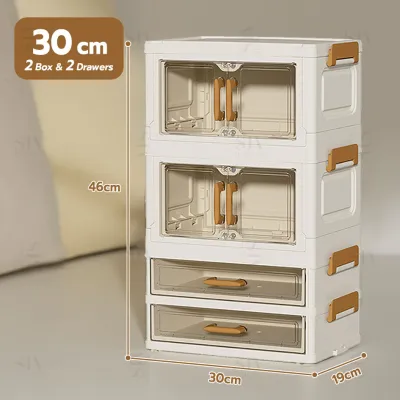

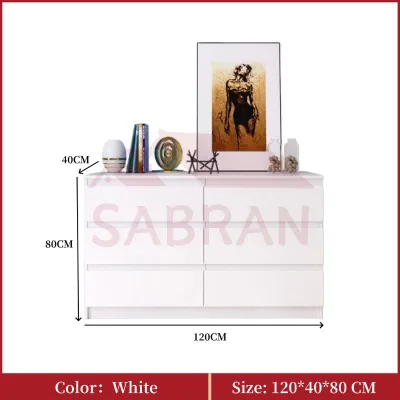
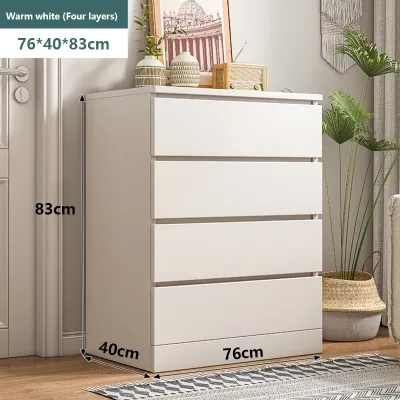
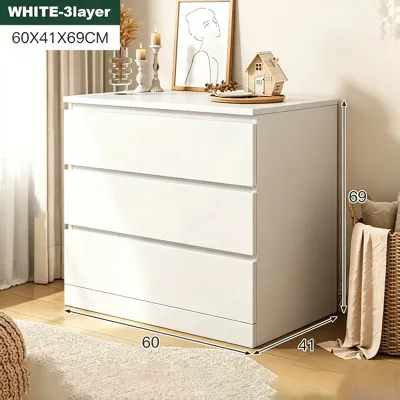
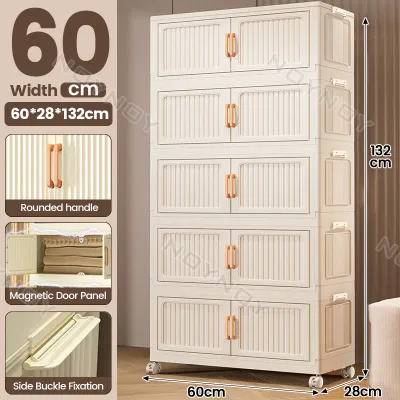
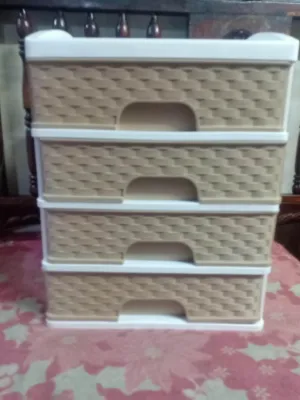
Prices are valid at publication and may change. Please refer to the product page for the latest price.
Finally, evaluate the weight capacity and slide mechanism of your dresser drawers. Cosmetics, particularly those in heavy glass bottles or dense metal compacts, can accumulate significant weight. If your dresser features traditional wooden runners, excess weight combined with tropical humidity can cause the wood to swell and stick, making the drawer difficult to open. Metal ball-bearing slides handle heavier loads more reliably, but you must still distribute the weight evenly to prevent the drawer bottom from sagging or the tracks from warping over time.
Matching Organizer Styles to Makeup Categories
Cosmetics come in highly diverse shapes—tall cylindrical bottles, flat rectangular palettes, tiny circular pots. Storing them efficiently requires matching the organizer’s physical structure to these shapes.

Dividers and Adjustable Inserts
Modular dividers and adjustable inserts are highly effective for organizing irregularly shaped items and large collections. These systems allow you to partition your drawer dynamically, creating custom-sized compartments that can be adjusted as your makeup collection changes over time.
This style is particularly suited for flat, bulky items like eyeshadow palettes, bronzer compacts, and face powders. Instead of stacking these items horizontally—which forces you to lift every palette to reach the one at the bottom—you can use dividers to file them vertically like records. This keeps every palette visible and easily accessible.
When selecting adjustable dividers, pay close attention to the tension mechanisms. Spring-loaded dividers must feature soft rubber or foam pads on both ends. This cushioning prevents the divider from scratching or gouging the wooden interior of your dresser drawer when under tension, preserving the furniture’s long-term value.
Acrylic Bins and Clear Trays
Acrylic bins and clear trays are the standard choice for storing small, frequently used cosmetics. The primary advantage of transparent acrylic is visibility; you can instantly locate small items like lipsticks, eyeliners, and single eyeshadow pots without rummaging through opaque boxes.
When shopping for acrylic organizers, inspect the build quality closely. Look for smooth, polished edges and sturdy joints. Rough, unpolished seams can scratch your cosmetic packaging, snag delicate brushes, or even cause minor cuts to your fingers during a rushed morning routine.
Additionally, evaluate the stackability of the bins if your dresser drawers have deep vertical clearance. Stacking shallow acrylic trays allows you to maximize the vertical space of a deep drawer. You can place less frequently used items in the bottom trays and stack your daily essentials directly on top, keeping your vanity setup organized and efficient.
Bamboo, Wooden, and Fabric Trays
Natural and soft materials offer a warm, premium aesthetic for a bedroom vanity, but they require specific structural and environmental considerations. In tropical climates with high humidity, porous materials like untreated bamboo or wood can trap moisture, making them susceptible to mold, mildew, or warping if liquid cosmetics spill.
If you prefer the look of wood or bamboo, verify that the trays have been treated with a water-resistant sealant or polyurethane finish. This protective layer prevents spilled toners, liquid foundations, or oils from soaking into the wood grain, making cleanup much easier.
Fabric-lined trays or soft velvet inserts are excellent for protecting delicate items like fine jewelry, glass perfume bottles, or luxury compacts that are prone to scratching. However, keep these fabric trays away from liquid makeup or loose powders. Always verify the finish quality of any wooden tray by running your hand along the edges to ensure there are no splinters or snags that could damage your products or the drawer interior.
Material and Maintenance Considerations for Beauty Products
Makeup storage inevitably involves spills—powders shatter, liquid foundations leak, and oils drip. Therefore, the ease of cleaning should be a primary factor when choosing your cabinet dresser organizer. Wipe-clean surfaces like acrylic, molded plastic, or sealed silicone are highly practical because they do not absorb liquids and can be easily washed with mild soap and warm water.
In contrast, absorbent materials like fabric, felt, or untreated wood can stain permanently when exposed to liquid makeup or pigment-rich powders. If you choose these materials, consider using them only for dry, sealed items like brushes, hair accessories, or jewelry.
Always check the manufacturer’s care instructions for both your dresser and the organizers. Some plastics can degrade, crack, or cloud when exposed to alcohol-based makeup removers, sanitizing sprays, or harsh chemical cleaners. For long-term durability, look for signs of material degradation over time; high humidity and heat can cause low-quality plastics to become brittle, while poorly sealed wood may swell or split at the joints.
Ensuring Stability and Drawer Functionality
Every time you open and close a dresser drawer, loose organizers can slide around. This constant shifting not only jumbles your carefully organized cosmetics but can also scratch the drawer’s interior finish and strain the drawer joints. To prevent this, use non-slip silicone drawer liners or small dots of removable adhesive putty under the corners of your organizer bins.
Ensure you leave adequate clearance at the top of the drawer. The tallest item in your organizer—such as a standing foundation bottle, a setting spray, or a brush holder—must sit at least a few millimeters below the drawer frame. If an item is too tall, it can catch on the upper frame when you pull the drawer open, potentially damaging both the product and the dresser’s wooden structure.
Finally, distribute the weight of your cosmetics evenly across the drawer. Place heavier items, such as glass perfume bottles, heavy creams, and large makeup palettes, toward the back or sides of the drawer. This even distribution prevents the drawer bottom panel from sagging and reduces uneven strain on the drawer tracks, ensuring smooth glide functionality for years to come.
Frequently Asked Questions (FAQ)
Can I use kitchen cabinet organizers in a makeup vanity drawer?
Yes, but you must check the dimensions and material finishes carefully before repurposing them. Kitchen organizers, such as utensil trays, are often designed for deeper drawers and longer items, which may not align with the shallow clearance of a bedroom dresser drawer or the small scale of cosmetic products. Additionally, ensure the kitchen organizer has smooth, non-abrasive edges and a non-porous surface that can be easily sanitized, as food-grade plastics or untreated wood may not handle oily cosmetic spills well.
How do I prevent acrylic organizers from sliding in the drawer?
To prevent lightweight acrylic bins from sliding when you open the drawer, place a cut-to-size non-slip silicone or rubber drawer liner at the bottom of the drawer before arranging your bins. Alternatively, you can apply small pieces of removable, non-staining mounting putty to the underside of each organizer’s corners. Always check your dresser manufacturer’s care guidelines to ensure that any adhesive or putty used is safe for the drawer’s specific wood finish or paint.
Community discussion
Share your experience or ask a question. Comments are reviewed before publication.