
Finding the best CabinetClub shoe cabinet for your home in the Philippines depends on balancing your household size with the country’s distinct climate and cultural habits. Because Filipino homes traditionally practice a strict “no-shoes-inside” policy to keep floors clean, the entryway serves as a high-traffic transition zone. The ideal cabinet must not only fit your physical space but also handle the high humidity of the tropical climate while keeping daily-wear slippers and outdoor shoes organized. By evaluating your family’s specific storage volume, checking the ventilation features of available models, and measuring your entryway clearance, you can select a configuration that keeps your home tidy and your footwear protected.
Assessing Entryway Space and Daily Shoe Storage Needs
Before browsing the CabinetClub catalog on your preferred ecommerce platform, you must establish the physical boundaries of your entryway. Grab a tape measure and note the width, depth, and height of the designated area. It is crucial to account for door swing clearance—both for your main entrance door and the cabinet doors themselves. If you have a narrow hallway or a foyer in a typical condominium unit, a standard swing-door cabinet might block the walkway when opened. In these tight spaces, look for slim-profile cabinets with tilting drawers that open vertically, minimizing the footprint while still providing ample passage.
Additionally, pay close attention to the presence of baseboards along your walls. Many modern homes and apartments feature protruding baseboards that can prevent a flat-backed shoe cabinet from sitting completely flush against the wall. This gap can cause the cabinet to wobble or make it difficult to secure properly. To avoid this, check if the CabinetClub model you are considering features a baseboard cutout at the back of the frame, which allows the unit to slide tightly against the wall for maximum stability.
Products mentioned in this guide
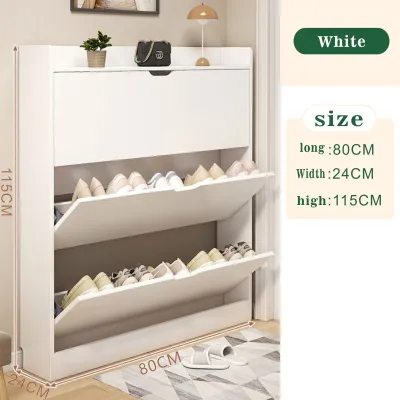
Prices are valid at publication and may change. Please refer to the product page for the latest price.
Beyond physical dimensions, calculate your household’s actual shoe volume. A practical rule of thumb is to allocate space for two to three pairs of shoes per resident for daily use, plus a buffer of three to four extra slots for guests. For a family of four, this means finding a cabinet that can comfortably house at least twelve to sixteen pairs of shoes. Remember to account for different footwear heights; flat slippers, school shoes, sneakers, and high heels all require different vertical clearances.
The cultural habit of removing shoes immediately upon entering a Filipino home means your entryway cabinet is accessed multiple times a day. This constant use requires a highly accessible layout. Consider a model that features an open bottom shelf or a raised base. This design allows family members to slide their daily-use indoor slippers underneath the cabinet easily without needing to open doors every time they transition from the outdoors. Keeping these high-frequency items off the main floor prevents clutter from piling up right at your doorstep.
Matching CabinetClub Configurations to Your Household Size
CabinetClub offers various configurations designed to suit different living arrangements, which you can verify by checking their live online store listings. For small households of one to two people, such as young professionals or couples living in studio apartments, space-saving is the primary goal. A compact, two-tier cabinet or an ultra-slim tilting model is often the most efficient choice. These units hug the wall closely, ensuring that narrow corridors remain unobstructed while keeping your essential footwear organized and out of sight.

For medium-sized households of three to four residents, standard-width cabinets with three or four tiers offer a practical balance of capacity and footprint. When evaluating these mid-sized options, prioritize models that feature adjustable internal shelves. This flexibility allows you to customize the height of each compartment, making it easy to store flat sandals on one level and bulky athletic sneakers or high heels on another. Look closely at the product specifications on the manufacturer’s listing to confirm if the shelves can be shifted or removed entirely.
Large households with five or more family members require a more robust storage strategy to prevent entryway chaos. In these homes, a single compact cabinet will quickly overflow, leading to shoes piled on top of the unit or scattered across the floor. To solve this, consider wide, double-door cabinets or modular stacking units that utilize vertical wall space. Stacking two compatible CabinetClub units safely allows you to double your storage capacity without taking up additional floor area. Always verify the manufacturer’s guidelines regarding stacking compatibility and maximum height limits to ensure structural safety.
When planning a modular or stacked setup, it is vital to check the weight capacity of the bottom unit. Placing a heavy cabinet on top of a weaker base can cause bowing, structural failure, or tipping. Ensure that the lower cabinet is specifically rated to support the weight of an additional unit, and always use the recommended joining brackets to lock the two pieces together securely.
Because inventory and specific model availability can change, always use these household categories as a guide while cross-referencing the active CabinetClub catalog. Check the exact dimensions, shelf counts, and configuration options listed by the seller before making your final decision. This step ensures that the model you choose matches both your family’s storage requirements and the physical realities of your home layout.
Evaluating Materials, Ventilation, and Stability for Daily Use
The tropical climate of the Philippines presents unique challenges for furniture preservation, making material selection a critical step in your purchase decision. High humidity levels, heavy rainfall during the monsoon season, and wet footwear can quickly damage poorly constructed cabinets. When reviewing CabinetClub options, check the product specifications for moisture-resistant surface finishes, such as melamine laminates or treated engineered wood. These materials are easier to wipe clean with a damp cloth and are less prone to warping or swelling when exposed to damp shoes.
To maintain the appearance and longevity of these materials, establish a gentle cleaning routine. Avoid using harsh chemical cleaners or abrasive scrubbing pads, which can strip away the protective laminate coating and expose the inner wood fibers to moisture. Instead, use a soft microfiber cloth slightly dampened with water and a mild dish soap to wipe away dirt, dust, and mud. Always follow up with a dry cloth to ensure no standing water remains on the surfaces or joints.
Ventilation is another essential factor to consider to prevent unpleasant odors and mold growth. Closed cabinets without airflow trap moisture from humid air and sweaty feet, creating an ideal environment for bacteria. To avoid this, look for CabinetClub models designed with built-in ventilation features. Slatted doors, louvers, or perforated back panels allow continuous airflow, helping your shoes dry out and keeping the interior fresh. If a model you like has solid doors, check if the back panel is recessed or has pre-drilled ventilation holes to facilitate air exchange.
Structural stability and weight capacity must also be verified, especially for taller or heavier units. Check the manufacturer’s specifications for the maximum load limit per shelf to ensure the cabinet can support heavy work boots or thick-soled sneakers without sagging. If your home has slightly uneven tile or concrete flooring, look for cabinets equipped with adjustable leveling feet. This feature allows you to stabilize the unit, preventing wobbling and reducing the risk of the cabinet tipping forward during daily use.
Planning Delivery, Assembly, and Safety Checks
Before finalizing your order on an online marketplace, plan the logistics of delivery and assembly to avoid unexpected headaches. Start by checking the packaged dimensions of the cabinet, which are typically listed in the product description. Compare these measurements against the narrowest points of your delivery route, including condominium elevators, stairwells, tight hallway corners, and interior door frames. Ensuring the box can physically pass through these areas prevents delivery delays or the need to unbox the unit in a public corridor.
Additionally, consider the weather conditions when scheduling your delivery. Because flat-packed furniture is highly susceptible to water damage, receiving a delivery during a heavy tropical downpour can ruin the wooden panels before they are even assembled. If rain is forecasted, coordinate with the delivery service to ensure the package is kept in a covered vehicle and dropped off in a dry, sheltered area like a garage, lobby, or covered porch.
Most CabinetClub furniture is delivered flat-packed and requires self-assembly. Review the product listing to see what tools are included and what you will need to provide, such as a screwdriver or a rubber mallet. If you are not comfortable with DIY assembly, check if the seller offers an optional professional assembly service for a fee. Additionally, safety must be a priority: tall or top-heavy shoe cabinets pose a serious tipping hazard, particularly in homes with active pets or young children. Always plan to secure the cabinet to the wall using the anti-tip anchoring hardware provided by the manufacturer.
Finally, protect your purchase by thoroughly reviewing the seller’s warranty terms and return policies before checking out. When your package arrives, inspect the box for any signs of transit damage before opening it. Carefully unbox the pieces and cross-reference them with the assembly manual’s parts list to ensure no panels, screws, or dowels are missing. If you discover any damaged or missing components, take clear photographs immediately and contact the customer support channel specified by the seller to request replacements before beginning the assembly process.
Frequently Asked Questions (FAQ)
How do I prevent odors inside a closed shoe cabinet?
To keep your CabinetClub shoe cabinet smelling fresh, never store wet or damp shoes immediately after wearing them; let them air dry completely on an open rack or mat first. You can also place natural deodorizers inside the cabinet, such as activated charcoal bags, baking soda sachets, or cedar blocks, which absorb both moisture and odors. Regularly wiping down the interior shelves with a mild disinfectant solution and leaving the doors open for a few hours on dry days will also help maintain a clean environment.
Can I adjust the shelves for tall boots or heels?
Many CabinetClub models feature adjustable shelving, but you should always verify this by checking the specific product details on the online marketplace listing before purchasing. These models typically use pre-drilled holes along the inner side panels, allowing you to move the shelf support pegs up or down to accommodate taller footwear like boots or high heels. If a model has fixed shelves, you may need to leave out one of the removable panels during assembly to create a double-height compartment, provided doing so does not compromise the cabinet’s overall structural integrity.
Community discussion
Share your experience or ask a question. Comments are reviewed before publication.