
Maximizing storage space in compact bedrooms and condominium units in the Philippines requires strategic planning, especially when built-in closet space is limited. A clothes hanging rack with cover offers a practical, flexible solution to expand your wardrobe storage while protecting your garments from dust and tropical humidity. However, selecting the right rack involves more than simply choosing an appealing design. To find a unit that fits seamlessly into your living space, you must carefully evaluate room dimensions, structural stability, cover materials, and delivery logistics. This guide provides a step-by-step framework to help you measure your space, assess key design features, and ensure a safe, stable installation without relying on guesswork.
Assessing Your Space and Capacity Needs
Before purchasing a clothes hanging rack with cover, precise measurements are essential to avoid spatial conflicts. Measure the floor footprint, noting the width and depth of the designated area. Account for baseboards and wall outlets, which can prevent the rack from sitting flush against the wall. Next, check the vertical ceiling height to ensure the rack fits comfortably without obstructing ceiling fans or air conditioning units. Finally, ensure room doors, window treatments, and existing furniture drawers can open fully without striking the rack, leaving a comfortable walking path.
Determining your storage capacity needs prevents overloading and structural failure. Evaluate the volume and types of garments you plan to store. Heavy items like denim jeans and jackets require robust hanging rods and more vertical clearance, whereas t-shirts and activewear are better suited for shelves. Consider how much space you will need if you plan to rotate your wardrobe seasonally.
Products mentioned in this guide
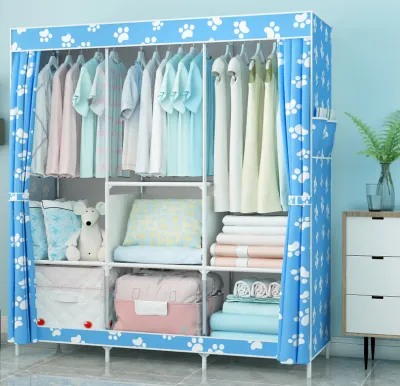
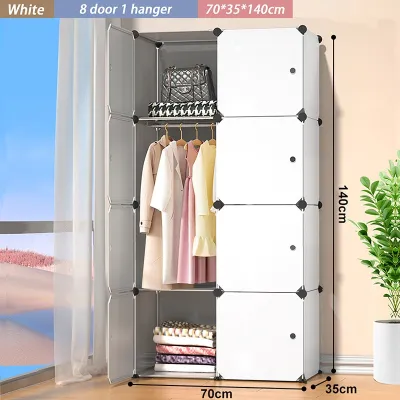

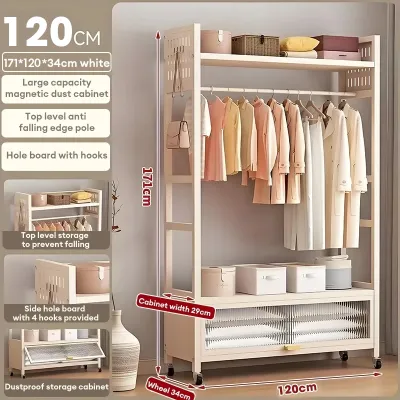
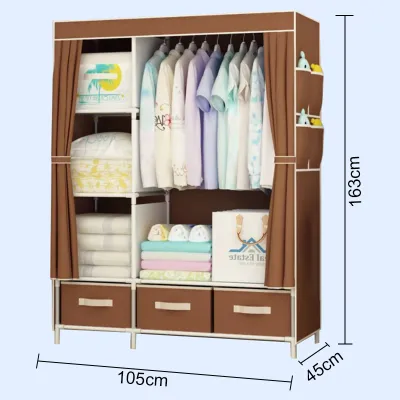

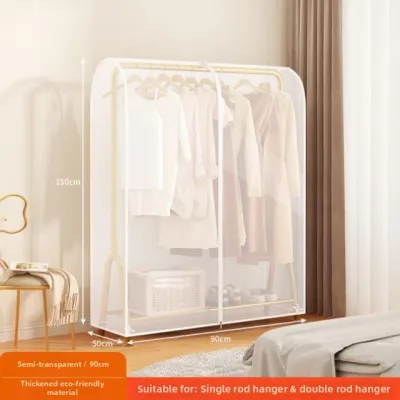

Prices are valid at publication and may change. Please refer to the product page for the latest price.
Finally, do not overlook the logistics of bringing the product into your home. Condominium units often have strict building constraints. Measure the dimensions of the delivery elevator, narrow stairwells, and hallway corners to ensure the packaged rack can be transported safely. Checking these entry points beforehand prevents the frustration of receiving a package that cannot clear your front door.
Key Design Features for Compact Rooms
Optimizing a small bedroom requires furniture that utilizes vertical space efficiently. When evaluating a clothes hanging rack with cover, compare single-tier and multi-tier hanging configurations. A single-tier rod is ideal for long garments such as dresses and coats, preventing them from bunching at the bottom. Conversely, multi-tier rods or units with adjustable shelves maximize vertical capacity for shorter items, allowing you to stack storage boxes and folded clothes. Look for models that offer adjustable shelf heights, giving you the flexibility to reconfigure the interior layout.

The mechanism of the protective cover plays a significant role in both ease of access and space conservation. Zippered covers provide a secure seal against dust, but they require sufficient clearance in front of the rack to operate. Roll-up covers, which secure at the top with straps or hook-and-loop fasteners, are highly practical for tight corners because they do not swing outward into narrow walkways. Choose a cover style that matches the physical clearance of your room layout, ensuring comfortable access.
Mobility is another crucial factor in compact living environments. Racks equipped with lockable casters allow you to roll the wardrobe aside easily when cleaning the floor or rearranging your room layout. However, if you plan to keep the rack in a permanent position, fixed feet with adjustable levelers offer superior stability, especially on slightly uneven tile or laminate flooring. If you opt for a mobile model, verify that the casters are durable and that at least two of the wheels feature reliable locking mechanisms.
Evaluating Frame Stability and Cover Materials
The longevity and safety of your clothes hanging rack with cover depend heavily on the quality of its structural components. When reviewing frame construction, look for sturdy metal tubing, such as powder-coated steel or rust-resistant iron. Do not rely solely on the material name to assume durability; instead, verify the manufacturer’s stated weight capacity for both the hanging rods and individual shelves. Ensure that the joint connections—whether they are heavy-duty plastic connectors or screw-in metal joints—fit tightly without wobbling. Screw-in connections generally provide greater structural rigidity over time.
The cover material must be evaluated based on the specific environmental conditions of your home. Non-woven fabrics are highly breathable and lightweight, making them a popular choice for budget-friendly racks, but they can degrade over time if exposed to direct sunlight. Oxford cloth and polyester blends offer superior tear resistance and are easier to wipe clean, but they may trap more moisture if the room lacks proper airflow. Always inspect the product label or manufacturer specifications for care instructions and approved cleaning methods.
To prevent structural failure, pay close attention to the base design and reinforcement features. A rack with a wide, low-profile base or reinforced bottom crossbars is inherently more stable than a top-heavy design. Look for models that include diagonal bracing or tension bars, which help distribute the weight evenly across the frame and prevent the unit from swaying when fully loaded.
Assembly, Placement, and Safety Checks
Proper assembly is critical to ensuring the structural integrity and safety of your clothes hanging rack with cover. Always follow the manufacturer’s step-by-step instructions carefully, using the correct sequence of parts. Avoid rushing the process, and ensure that every pole is fully inserted into its connector and all hardware is securely tightened. Using a rubber mallet can help seat push-fit joints firmly without damaging the frame, but always check the manual first to see if specific tools are recommended.
Strategic placement within your bedroom or condo unit protects both the rack and your garments from environmental damage. Position the rack away from direct sunlight, which can fade clothing colors and weaken fabric covers over time. Additionally, keep the unit clear of active heat sources and high-humidity zones, such as the immediate vicinity of bathroom doors or air conditioning condensation drains. Proper placement minimizes the risk of moisture accumulation.
Safety must always be a priority, particularly in compact spaces. Implement anti-tip measures, such as securing the rack to the wall with safety straps if the manufacturer provides them. Strictly avoid overloading the rack beyond its specified weight limit, and distribute the weight of your clothing evenly. Place heavier items, such as storage boxes and shoes, on the bottom shelves to maintain a low center of gravity, reducing the risk of accidental tipping.
Frequently Asked Questions (FAQ)
Can a covered hanging rack prevent mold in humid climates?
While a fabric cover protects clothes from dust, it does not automatically prevent mold in humid tropical climates like the Philippines. If a room lacks proper ventilation, a tightly zipped cover can trap ambient moisture inside, creating a stagnant environment where mold thrives. To manage moisture, check the manufacturer’s guidelines regarding fabric breathability. It is highly recommended to use moisture-absorbing sachets inside the rack, maintain good room ventilation, and periodically open the cover to let your garments air out.
How do I clean the fabric cover without removing it?
To clean the fabric cover safely, always check the specific care label attached to the product for approved cleaning methods. For routine maintenance, you can remove surface dust by gently vacuuming the exterior using an upholstery brush attachment. If you encounter light stains, spot-clean the affected area using a damp cloth and mild soapy water, as permitted by the manufacturer’s instructions. Avoid using harsh chemical cleaners or bleach, which can strip away water-resistant coatings or weaken the fabric fibers.
Community discussion
Share your experience or ask a question. Comments are reviewed before publication.