
Finding the right display solution depends entirely on what you are showcasing and where it will live. Heavy books require robust, grounded support, while delicate collectibles need protection from dust and accidental bumps. When searching for the ideal patungan ng mga pang display (display stands or shelves) in the Philippines, balancing aesthetics with structural integrity is key to protecting your investments. The tropical climate, characterized by high humidity, introduces unique challenges for material preservation, making your choice of display furniture critical. By matching the physical characteristics of your items to the appropriate structural design, you can create a beautiful, secure showcase that stands the test of time.
Assessing Your Items and Space Before Buying
Before browsing online catalogs or visiting local showrooms, conduct a thorough inventory of the items you plan to display. Group your belongings by weight, fragility, and physical dimensions. Heavy items like encyclopedias, thick textbooks, and large ceramic vases require thick, load-bearing shelves that will not sag over time. Conversely, lightweight collectibles, such as vinyl figurines, small action figures, and framed photographs, can be accommodated by more delicate or elevated structures. Irregularly shaped sculptures or tall art pieces will require adjustable shelving or generous vertical clearance, so note down the maximum height, width, and depth of your largest items.
Measuring your physical space is the next critical step in the planning process. Use a physical measuring tape to map out the exact floor footprint, wall space, and vertical clearance available in your room. Take note of architectural obstacles such as baseboards, electrical outlets, light switches, window frames, and ceiling fixtures that might interfere with a tall or wide display unit. If you are considering a tall bookcase or a wide cabinet, ensure there is sufficient clearance to assemble the unit if it arrives flat-packed, or enough room to maneuver it into its final position.
Products mentioned in this guide
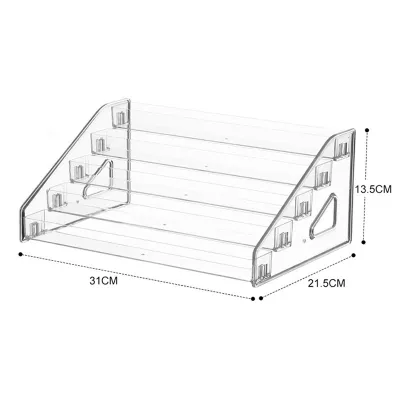
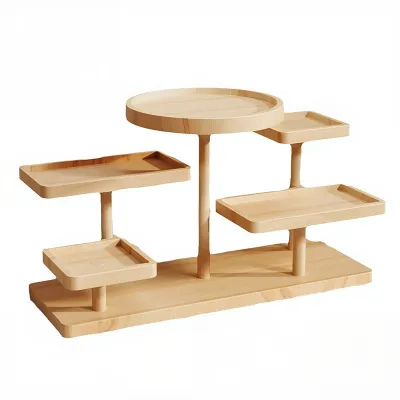
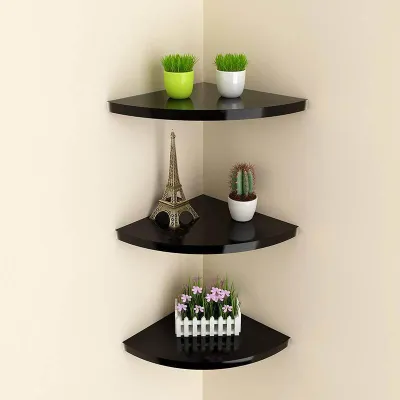
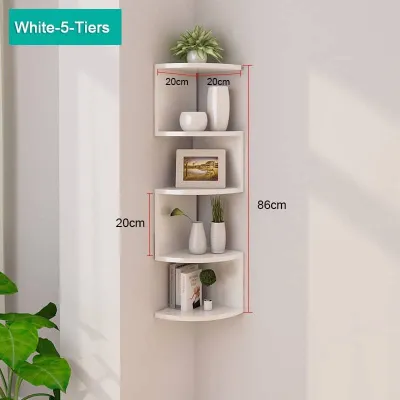
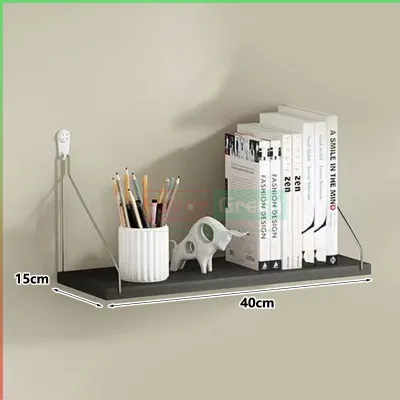
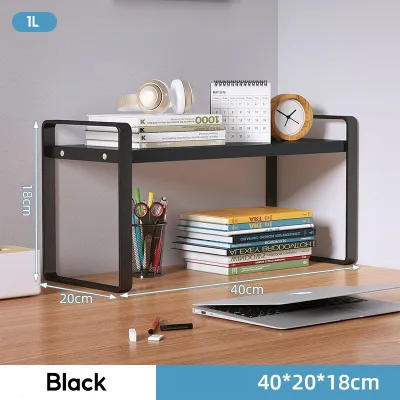
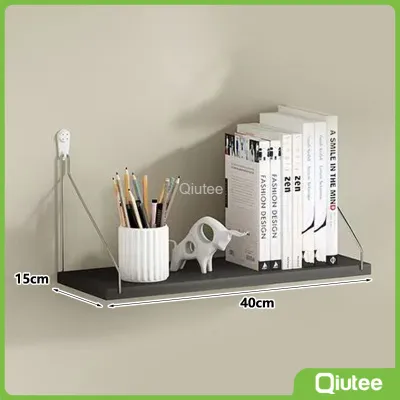
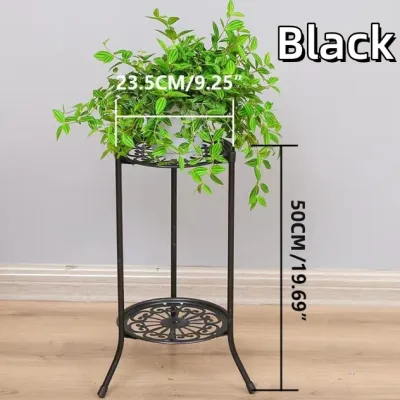
Prices are valid at publication and may change. Please refer to the product page for the latest price.
Access routes are frequently overlooked but can completely halt an installation. Measure the width and height of all doorways, hallways, stairwells, and elevator doors through which the furniture must pass. A pre-assembled glass cabinet or a solid wood bookcase may fit perfectly in your study, but if it cannot clear the turn in your staircase or pass through your front door, you will face costly return fees or logistical headaches. If your access routes are tight, prioritize modular or flat-packed display stands that can be assembled directly inside the target room.
Environmental factors in the Philippines demand careful consideration when positioning your display stands. Direct sunlight streaming through windows can cause rapid fading of book spines, plastic collectibles, and painted artwork, so position your shelves away from intense afternoon light. High humidity levels can also compromise untreated wood, leading to warping, mold growth, or structural softening. Ensure your chosen room has adequate ventilation, and avoid placing wooden display units directly against exterior concrete walls, which can transfer moisture and damage both the furniture and your displayed items.
Matching Display Stand Types to Your Items
Selecting the right display configuration requires understanding the fundamental trade-offs between open shelving, enclosed cabinets, and wall-mounted options. Open shelving offers immediate visual accessibility and ease of cleaning, making it ideal for items you interact with frequently, such as reference books or daily-use decorative pieces. Enclosed cabinets, particularly those with glass doors, provide a protective barrier against dust, moisture, and curious hands, which is essential for delicate or high-value collectibles. Wall-mounted options free up valuable floor space, creating a clean, modern aesthetic, but they come with strict weight limitations and require secure anchoring.

By analyzing the load-bearing capacity and visual accessibility of each furniture type, you can match your items to the structure best suited to support them. A heavy, dense collection will quickly overwhelm a delicate wall shelf, while a tiny figurine might get lost visually in a massive, deep bookcase. The following sections detail how to align specific display stand categories with different types of household items to ensure both safety and visual harmony.
Bookcases and Fixed Shelving for Books and Heavy Decor
For dense, heavy items like extensive book collections, large ceramic pots, and heavy audio-visual equipment, traditional floor-standing bookcases and fixed shelving units are the most reliable choice. When evaluating these units, look for structural features that enhance rigidity, such as reinforced back panels that prevent the frame from swaying or racking. Thick shelf boards—ideally those exceeding two centimeters in thickness—and robust metal support pins are indicators of a well-constructed unit. Fixed shelves, which are screwed or doweled directly into the side panels, offer superior structural stability compared to entirely adjustable systems, though they limit your height customization.
This category is uniquely suited to handle continuous, heavy loads without structural failure. To prevent the unsightly and dangerous bowing of shelves, choose units with shorter shelf spans or those featuring center support vertical dividers. Additionally, because these units carry significant weight and often stand quite tall, they have a higher center of gravity. It is absolutely essential to anchor these heavy bookcases to the wall using anti-tip hardware, especially in regions prone to seismic activity or in homes with active pets.
The primary trade-off with heavy bookcases is their substantial floor footprint and visual weight. They can make a small room feel cramped if not positioned thoughtfully. To mitigate this, consider units with open backs or lighter finishes that blend into the wall color. Remember that once a large bookcase is filled, moving it becomes an arduous task, so ensure its placement is permanent and does not block access to essential wall outlets.
Floating Shelves and Ledges for Lightweight Collectibles
When floor space is limited, wall-mounted floating shelves and picture ledges offer an elegant solution for showcasing lightweight collectibles and decorative accents. These shelves create a minimalist, modern look by concealing the mounting brackets inside the shelf body itself. This design is perfect for displaying framed photographs, small vinyl figures, trailing indoor plants, and lightweight art pieces. Because they do not touch the floor, they keep the room feeling open and airy, making them highly suitable for compact apartments or cozy study rooms.
However, successful installation of floating shelves depends entirely on understanding your wall structure and using the correct hardware. In many homes, walls are constructed from solid concrete, hollow concrete blocks, or drywall over wooden or metal studs. Standard plastic wall plugs included in retail packaging are often insufficient for secure mounting; you must verify your wall type and purchase specialized heavy-duty anchors, such as masonry sleeve anchors for concrete or toggle bolts for drywall. Mounting a shelf directly into a wall stud or solid concrete is the only way to ensure it can support its rated weight.
It is crucial to respect the strict weight limits of floating shelves, as overloading them can cause the shelf to tilt forward, sag, or pull away from the wall entirely. Unlike floor-standing units, floating shelves experience rotational force when weight is placed near the front edge. To minimize this risk, place heavier items closer to the wall and keep lighter items toward the front. Regularly inspect the joint where the shelf meets the wall to ensure there are no signs of separation or loosening screws.
Pedestal Stands and Glass Cabinets for Fragile Pieces
For high-value, fragile, or dust-sensitive items, independent pedestal stands and glass display cabinets offer the ultimate level of protection and visibility. These units are designed to shield delicate porcelain, limited-edition action figures, historical memorabilia, and intricate models from environmental hazards and physical contact. Look for cabinets constructed with tempered glass, which is significantly stronger than standard glass and breaks into small, blunt pieces rather than sharp shards if damaged. Dust seals along the door edges and integrated lighting channels are excellent premium features that enhance both protection and visual appeal.
Glass cabinets provide 360-degree visibility, allowing you to appreciate the fine details of your collectibles from any angle without exposing them to oils from hands or airborne dust. This enclosed environment also helps maintain a more stable microclimate, protecting sensitive materials from sudden shifts in humidity. If you are displaying highly sensitive items, consider applying a UV-filtering film to the glass panels to prevent color fading caused by ambient light.
Despite their protective benefits, glass display cabinets require careful placement and ongoing maintenance. They should be positioned away from high-traffic zones, doorways, and play areas where they could be accidentally bumped or struck. Glass surfaces also show fingerprints, dust, and smudges easily, requiring regular cleaning with a soft microfiber cloth and a gentle glass cleaner. Because of their specialized construction and materials, these units generally represent a higher financial investment and require meticulous assembly to ensure all glass panels align perfectly without stress points.
Essential Safety Checks and Selection Criteria
When selecting any display stand, verifying the manufacturer’s material specifications is far more reliable than relying on generic material names. Terms like “solid wood” can sometimes refer to low-grade softwoods or veneered engineered wood, while “MDF” (medium-density fiberboard) can vary wildly in density and moisture resistance. Check the product specifications for details on surface treatments, such as melamine laminates, polyurethane coatings, or water-resistant sealants. In humid environments, a high-quality moisture-resistant coating is essential to prevent engineered wood from swelling and losing its structural integrity.
Stability is the most critical safety factor for any tall or heavy furniture piece. Evaluate the unit’s center of gravity and the width of its base; a wider, deeper base provides a more stable foundation. Always check if the manufacturer includes a mandatory anti-tip wall anchoring kit in the package. If a kit is not included, you must purchase one separately. Anchoring the unit to the wall is a non-negotiable safety step, particularly for bookcases or cabinets taller than one meter, to prevent catastrophic tip-over accidents.
Before purchasing, carefully review the assembly requirements and instructions provided by the manufacturer. Inspect the tolerances of the interlocking joints and the quality of the hardware, such as cam locks, dowels, and screws. High-quality display stands utilize metal-to-metal connections rather than screwing directly into bare particleboard, which can strip easily during assembly or relocation. If the assembly process requires specialized tools or professional installation, factor these requirements into your decision-making process.
Finally, always look for clear, manufacturer-stated weight limits per shelf and for the unit as a whole. These limits are calculated based on evenly distributed loads; placing a single heavy object in the center of a shelf puts significantly more stress on the material than spreading the weight evenly. Exceeding these limits can lead to sudden structural failure, damaging both your furniture and your valuable collections. If a manufacturer does not provide clear weight ratings, treat the unit with caution and assume a conservative load capacity.
What to Verify When Buying Online or In-Store
Whether you are browsing online marketplaces or visiting a physical furniture showroom, cross-referencing product dimensions is vital to avoid mismatched expectations. Pay close attention to the internal clearance height and depth between shelves, rather than just the external dimensions of the unit. A bookcase may have an impressive overall height, but if the individual shelves are fixed and too short to accommodate your tallest books or figurines, the unit will not serve your needs. If possible, choose units with adjustable shelf support holes spaced at close intervals to give you maximum configuration flexibility.
When purchasing online, carefully review the retailer’s warranty, return policy, and procedures for handling transit damage. Glass panels and heavy wooden boards are highly susceptible to cracking, chipping, or denting during shipping and handling. Verify that the seller offers a straightforward process for claiming replacement parts or a full refund if the item arrives damaged or with missing hardware. Keep all packaging materials until you have fully assembled and inspected the unit, as many return policies require the original box for return shipments.
User reviews on e-commerce platforms can provide invaluable real-world insights into the quality of a display stand. Filter reviews to look for recurring complaints regarding shelf warping under light loads, confusing or incorrect assembly instructions, or poor alignment of pre-drilled holes. Additionally, pay attention to mentions of strong chemical odors or volatile organic compound (VOC) off-gassing, which can be unpleasant and persistent in enclosed spaces. A high volume of positive reviews mentioning sturdy construction and clear instructions is a strong indicator of a reliable product.
Lastly, confirm the long-term availability of replacement parts from the manufacturer or retailer. Over years of use, shelf pins can be misplaced, glass doors can chip, or adjustable feet can wear out. Choosing a display stand from an established brand or a reputable retailer increases the likelihood that you can source replacement hardware or additional shelves in the future. This long-term support ensures your display investment remains functional and beautiful for many years to come.
Frequently Asked Questions (FAQ)
How much weight can standard floating shelves hold?
The weight capacity of a floating shelf is not a single fixed number; it depends on a combination of the shelf’s material, the design of its internal bracket, and the structure of the wall it is anchored to. A shelf mounted into solid concrete or a wooden wall stud will have a significantly higher load capacity than one mounted solely into drywall using plastic anchors. Always locate the manufacturer’s maximum load rating on the product packaging or instruction manual, and aim to keep your actual load well below this limit to account for the dynamic stress of placing and removing items.
Do glass display cabinets require special floor leveling?
Yes, glass display cabinets require a perfectly level floor surface to ensure structural safety and proper door alignment. An uneven floor places torsional stress on the cabinet frame, which can cause glass doors to rub against each other, misalign, or in extreme cases, cause the tempered glass panels to shatter under uneven pressure. Use a spirit level during installation to check the cabinet’s alignment in all directions, and utilize the unit’s built-in adjustable leveling feet or high-quality furniture shims to achieve a perfectly flat, stable stance.
Community discussion
Share your experience or ask a question. Comments are reviewed before publication.