
Finding the perfect duyan for a compact apartment balcony in the Philippines requires balancing personal comfort with strict spatial limits. To maximize a small outdoor area without overcrowding it, the most suitable options are vertical hanging chairs, compact gathered-end fabric hammocks, or space-saving freestanding frames. These designs minimize the physical footprint while allowing you to enjoy a cool breeze on humid afternoons. Choosing the right setup involves evaluating your balcony’s dimensions, structural integrity, and building regulations to ensure a safe and relaxing experience.
Assessing Your Balcony Space for a Duyan
Before purchasing any furniture, you must establish the exact physical boundaries of your balcony. Start by measuring the usable floor length and width with a standard tape measure. Do not rely on the floor plan provided by your developer, as actual finished dimensions can vary slightly due to plastering and tiling. Note the ceiling height from the floor tile to the concrete slab above, as this dictates the vertical suspension limits for hanging styles.
Next, map out all fixed obstructions that reduce your usable area. Balconies in urban condominiums often house air conditioning condenser units, sliding glass door tracks, and floor drainage slopes. An AC compressor not only takes up physical floor space but also blows hot exhaust air, making nearby seating uncomfortable. Ensure your planned layout keeps the duyan well away from these utility zones and allows sliding doors to open fully.
Products mentioned in this guide

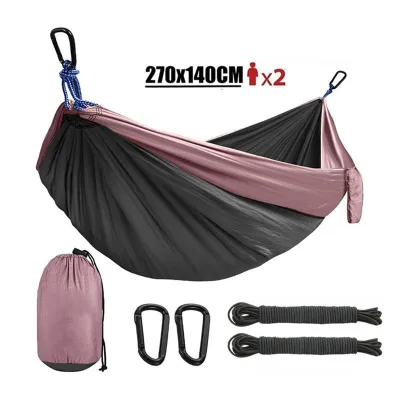


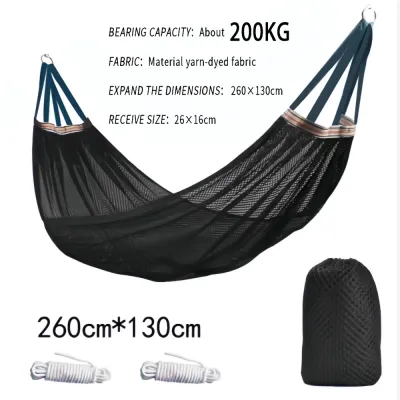
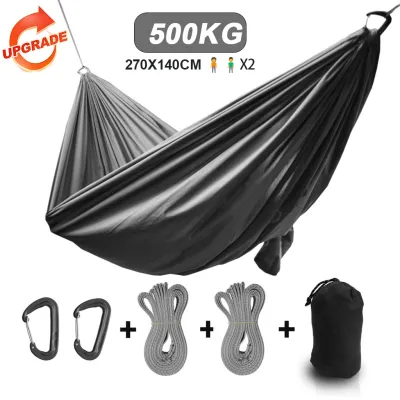

Prices are valid at publication and may change. Please refer to the product page for the latest price.
Finally, consult your condominium administration or apartment building guidelines before making a decision. Most multi-family properties enforce strict rules regarding exterior aesthetics and structural modifications. Drilling into common-area concrete slabs or hanging heavy items over railings is frequently prohibited. Reviewing the tenant handbook or homeowner association bylaws first will save you from costly fines or safety hazards.
Space-Saving Duyan Styles for Compact Balconies
Standard backyard hammocks require significant horizontal distance to stretch out properly, making them impractical for tight balcony layouts. Fortunately, modern designs adapt to limited footprints by utilizing vertical space or incorporating collapsible frames. Understanding how these different structures interact with your floor plan is key to maintaining a functional outdoor area.

Hanging Chairs and Pod Swings
Hanging chairs and pod swings are highly efficient for small balconies because they focus their footprint vertically rather than horizontally. Unlike a traditional flat duyan that stretches from one end of the space to the other, a pod chair suspends from a single overhead point. This design allows you to sit upright or lounge in a semi-reclined position while leaving the surrounding floor area relatively open.
When selecting a pod swing, compare the physical profile of woven rattan or synthetic wicker models against soft fabric options. Rigid wicker pods maintain a fixed shape, which requires a consistent clearance zone even when not in use. Fabric hanging chairs, on the other hand, can be pushed aside or taken down easily when you need to use the balcony for other activities.
Safety must remain your primary focus when evaluating these suspended options. Always check the manufacturer’s product label to verify the weight capacity and required overhead clearance. You must also ensure that the ceiling structure or mounting frame can support both the static weight of the chair and the dynamic weight of a person gently swinging.
Foldable and Compact Fabric Hammocks
For those who prefer a traditional lying-down experience, compact fabric hammocks offer a flexible solution. The key is choosing a gathered-end design rather than a model with rigid spreader bars. Gathered-end hammocks naturally bunch up when empty, taking up minimal visual and physical space, whereas spreader bars keep the fabric permanently wide and difficult to navigate around.
These fabric options are highly valued for their portability and storage convenience. In tropical climates, sudden downpours and high humidity can quickly degrade outdoor textiles. Opt for lightweight, quick-drying nylon or treated cotton blends, and check the care labels for specific washing instructions. Being able to unhook the fabric and store it indoors during heavy rains preserves the material and keeps your balcony tidy.
To achieve a comfortable hang, you must ensure your suspension points allow for a proper sag. A hammock hung too tight will feel unstable and constricting, while one hung too loose will cause your back to drag on the floor tiles. Aim for a gentle curve where the lowest point of the fabric sits at a comfortable chair height when occupied.
Freestanding Hammocks with Built-In Stands
If your building administration prohibits drilling into walls or ceilings, a freestanding duyan with a built-in stand is an excellent alternative. These self-supporting units eliminate the need for permanent anchors, allowing you to enjoy a hammock without risking your security deposit.
Before buying, carefully measure the base dimensions of the stand to ensure it fits comfortably within your balcony’s width and length. A stand that is too long will block access to the edges of your balcony, while one that is too wide might prevent you from closing your sliding doors. Look for compact, space-saving frames specifically marketed for indoor or apartment use.
Because balcony environments are exposed to salty air, rain, and intense sunlight, check the stand’s material specifications. Look for powder-coated steel or treated aluminum frames that offer rust resistance. Additionally, assess how easily the frame can be disassembled or folded down; a model that requires complex tools to store away may become an inconvenient permanent obstacle on your balcony.
Sizing and Clearance Requirements for Safe Installation
To enjoy your duyan without constant worry, you must calculate the dynamic clearance zones required during actual use. A static measurement of an empty hammock does not represent the space it occupies when someone is sitting and moving in it.
Start by calculating the dynamic swing radius. When you sit in a suspended chair or fabric hammock, the structure will naturally sway. Maintain a clear buffer zone of at least 50 to 60 centimeters around the entire perimeter of the duyan to prevent your knees, elbows, or the frame itself from colliding with concrete walls, glass windows, or metal railings. This buffer is especially critical if your balcony has glass sliding doors, as an accidental impact could cause serious damage.
In addition to the swing radius, you must preserve clear walkways for daily movement and emergency access. A balcony should never be so crowded that you have to climb over the duyan to reach the other side or access utility areas like drainage scuppers. Ensure there is a clear path of at least 60 centimeters wide on at least one side of the installation to allow for safe entry, exit, and routine cleaning.
Always cross-reference the manufacturer’s stated dimensions with your actual tape measurements before finalizing your purchase. If a product description states a total length of 2.5 meters, verify that your balcony has at least 2.8 meters of clear space to accommodate the suspension straps or stand clearance. Taking these precautions prevents the frustration of buying a beautiful piece of furniture only to find it physically unusable.
Installation Options for Condo and Apartment Balconies
Installing a duyan in a multi-family building requires balancing personal comfort with structural safety and property rules. The mounting method you choose depends heavily on whether you own or rent the unit, as well as the structural materials of your balcony.
For renters or those living in buildings with strict drilling bans, freestanding frames and tension-based mounts are the safest options. Tension poles designed for heavy-duty use can sometimes be wedged securely between a concrete floor and ceiling, providing a hanging point without damaging the surfaces. However, you must verify that both the floor and ceiling slabs are solid concrete and not hollow decorative panels before applying tension.
If you own the unit and the building administration permits permanent installations, wall brackets or ceiling joist anchors offer a highly stable solution. These hardware kits must be anchored directly into solid, load-bearing concrete using heavy-duty expansion bolts. Never attempt to mount hanging hardware into hollow blocks, brick facades, or plasterboard ceilings, as these materials cannot support the dynamic forces exerted by a swinging adult.
If you are unsure about the structural composition of your balcony ceiling or walls, stop immediately and consult a qualified professional or structural engineer. A professional installer can perform a load-bearing verification and select the correct anchoring hardware for your specific building materials. Investing in professional installation ensures long-term safety and peace of mind.
Common Space and Installation Mistakes to Avoid
One of the most frequent mistakes apartment dwellers make is measuring only the static footprint of the duyan. An empty hanging chair might look perfectly sized on paper, but once occupied, the fabric stretches downward and outward, potentially pressing against walls or blocking walkways. Always account for this physical expansion when planning your layout.
Another critical error is overloading non-structural elements. Balcony railings, decorative ceiling panels, and thin metal pipes are not designed to bear human weight. Attaching suspension straps to a hollow metal railing can bend or break the structure, leading to severe falls and expensive property damage. Only anchor your duyan to verified load-bearing concrete or dedicated freestanding stands.
Lastly, avoid blocking essential utility and safety pathways. Balconies often feature drainage scuppers to prevent rainwater pooling during heavy tropical downpours. Placing a bulky metal stand directly over these drains can trap water, leading to leaks and mold. Ensure your setup leaves all drains, emergency exit routes, and utility access panels completely unobstructed.
Frequently Asked Questions (FAQ)
Can I drill into my condo balcony ceiling to hang a duyan?
Drilling into a condominium balcony ceiling is highly risky and usually prohibited by property management. Most condo ceilings contain embedded electrical conduits, post-tension cables, or waterproofing membranes that can be easily damaged by a drill bit. Penetrating these layers can cause structural issues, electrical hazards, or water leaks in the unit below. Always check your specific building’s property management rules and structural guidelines before attempting any modifications. If drilling is banned or structurally unsafe, opt for a compact freestanding frame or a certified tension-mounted system instead.
Community discussion
Share your experience or ask a question. Comments are reviewed before publication.