
To choose the best duyan for a Philippine balcony, you must balance spatial limitations, structural mounting options, and extreme tropical weather exposure. For compact urban balconies, a hanging chair or pod swing (duyan na upuan) is generally the most practical choice because of its small footprint and single anchor point. If you have a spacious, elongated veranda, a traditional horizontal hammock (duyan na higaan) offers unmatched comfort for afternoon naps, provided you have secure dual anchor points or a dedicated stand. Ultimately, the ideal choice is one that matches your balcony’s structural limits while resisting intense sun, high humidity, and torrential monsoon rains.
Assessing Your Balcony Constraints Before Buying
Before purchasing any outdoor furniture, measuring your available space is critical. You must measure the usable floor length, width, and ceiling height of your balcony. Beyond the static dimensions of the frame or fabric, calculate the dynamic swing clearance. A duyan requires at least two to three feet of empty space on all sides to prevent the user from colliding with concrete walls, metal railings, or potted plants during use.
Next, evaluate the balcony’s exposure to the elements. Fully open balconies face direct sunlight and heavy rainfall, requiring highly durable, marine-grade materials. Partially covered balconies offer some shade but are still vulnerable to wind-driven rain during the wet season. Fully enclosed sunrooms or glazed balconies provide the most protection, allowing you to use delicate materials like natural cotton or untreated wood.
Products mentioned in this guide

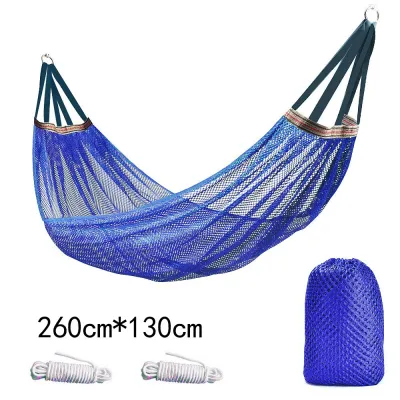
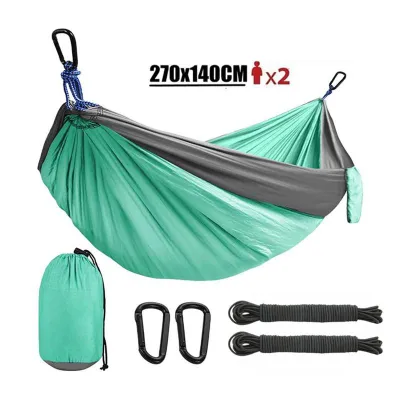
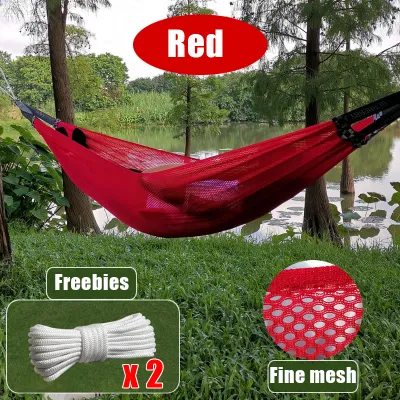
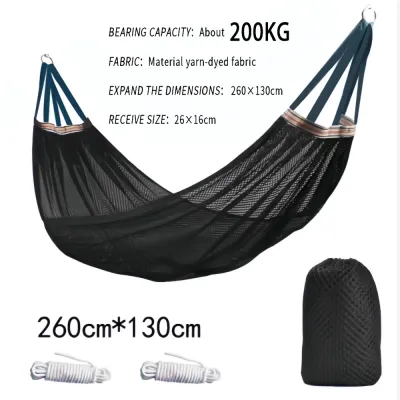
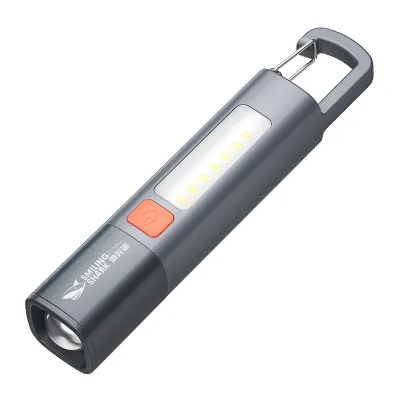
Prices are valid at publication and may change. Please refer to the product page for the latest price.
Finally, review your building’s house rules. Many condominium developments and homeowners’ associations in the Philippines enforce strict guidelines regarding structural alterations. Drilling into exterior walls or concrete ceiling slabs is frequently prohibited to preserve structural integrity and prevent water leaks. Understanding these rules early will help you decide whether to look for a ceiling-mounted fixture or a freestanding model.
Comparing Duyan Types for Balcony Use
Selecting the right style of duyan involves matching your relaxation preferences with your layout’s physical boundaries. The three primary configurations each offer distinct trade-offs in terms of comfort, footprint, and installation complexity.

Traditional Hammocks (Duyan na Higaan)
Traditional lying-down hammocks provide a classic, full-body reclining experience that is ideal for long afternoon naps. However, these models demand significant horizontal space, often requiring a span of 9 to 14 feet between two secure anchor points. This horizontal requirement makes them best suited for long, narrow verandas or spacious terraces rather than compact square balconies.
Hanging a traditional model requires two highly secure, load-bearing support pillars or walls. If these are unavailable, you must use a metal or wooden hammock stand. Keep in mind that these stands can be visually bulky and may occupy the majority of your balcony’s floor space, leaving little room for other activities.
Additionally, traditional hammocks are designed primarily for lying down. They are less practical for upright activities such as reading, working on a laptop, or socializing with guests. If your goal is a multi-functional outdoor living area, a horizontal layout might limit how you use the rest of the space.
Hanging Chairs and Pod Swings (Duyan na Upuan)
Hanging chairs and egg-shaped pod swings are highly popular for modern Philippine balconies because of their vertical orientation. By utilizing a single overhead anchor point or a compact C-shaped stand, they require a fraction of the floor space needed for a traditional hammock. This small footprint makes them exceptionally well-suited for studio or one-bedroom condominium balconies.
These vertical swings allow you to sit upright comfortably, making them highly versatile. You can easily use them for reading, sipping morning coffee, or chatting with family members while keeping the central floor area open. Their cozy, enclosed design also adds a stylish, modern aesthetic to a small outdoor space.
Before purchasing, verify the outer physical dimensions of the chair or pod. Some egg chairs feature wide, bulging frames that can block narrow walkways or prevent balcony doors from opening fully. Ensure there is enough clearance to walk around the chair safely even when it is gently swaying.
Freestanding and Foldable Options
For renters or those living in properties with strict drilling bans, freestanding and foldable models offer an excellent alternative. These setups rely entirely on floor-based frames to support weight, eliminating the need to drill into concrete ceilings or structural columns. You can set them up immediately without specialized tools or professional installation.
Foldable steel hammock frames are particularly practical for multi-purpose balconies. When you need the space for drying laundry, hosting a small gathering, or cleaning, you can collapse the frame in minutes and store it against a wall. This flexibility is invaluable in urban homes where outdoor space must serve multiple daily functions.
The primary trade-off with freestanding options is the physical footprint of the stand’s base. Metal legs or circular bases must spread out wide on the floor to ensure stability and prevent tipping. You must measure your floor space carefully to ensure the stand fits securely within the balcony boundaries without creating a tripping hazard.
Selecting Weather-Resistant Materials for Tropical Climates
The Philippine climate presents unique challenges for outdoor furniture, characterized by intense ultraviolet (UV) rays, high humidity, and heavy monsoon rains. To ensure your duyan lasts, you must carefully check manufacturer specifications and material labels rather than assuming a product is built for outdoor use.
For fabric components, look for materials specifically engineered to resist fading, mold, and water absorption. Solution-dyed acrylics, textilene, and heavy-duty, UV-treated polyester are excellent choices. These fabrics allow water to drain quickly and resist the growth of mold and mildew, which thrive in humid tropical air. Avoid untreated natural cotton or canvas unless your balcony is fully enclosed, as these materials trap moisture and rot quickly when exposed to rain.
The structural frame requires equal attention. If you choose a metal stand or frame, ensure it is made of powder-coated steel or rust-resistant aluminum to prevent corrosion from salty air or rain. Synthetic polyethylene (PE) rattan is highly recommended for pod swings because it mimics the look of natural wicker but resists cracking and fading under direct sunlight. Natural bamboo, wood, or untreated rattan can add a beautiful rustic touch, but they require a fully sheltered environment and regular applications of protective varnish to prevent rot and insect damage.
Remember that no material is entirely maintenance-free in tropical conditions. Plan to wipe down metal frames regularly to remove dust and moisture, and always bring fabric cushions indoors during prolonged periods of wet weather or heavy rain.
Safe Mounting and Installation Guidelines
Hanging a duyan safely requires strict adherence to structural limits to prevent serious personal injury or property damage. Before drilling any holes, you must identify a solid concrete structural beam, a reinforced concrete ceiling slab, or a heavy-duty wooden joist. Never attempt to mount a load-bearing hook into hollow drywall, plaster, decorative drop ceilings, or thin wooden paneling, as these materials cannot support dynamic human weight.
When purchasing mounting hardware, opt for heavy-duty, marine-grade stainless steel components. Use expansion eye bolts designed specifically for concrete if you are mounting into solid masonry. Ensure all carabiners, chains, and S-hooks are rated for outdoor use and have a certified weight capacity that comfortably exceeds the weight of the heaviest intended user. A minimum weight rating of 150 to 200 kilograms is standard for single-person swings to account for dynamic movement.
If you are unsure about the structural composition of your ceiling, or if your property management has strict guidelines, do not proceed with a DIY installation. Always consult a qualified structural engineer, professional contractor, or your condominium’s building administration. If a safe ceiling mount cannot be verified, transition to a high-quality freestanding stand to ensure absolute safety.
Maximizing Space and Everyday Usability
To keep your balcony functional for daily chores and relaxation, integrate your duyan with flexibility in mind. Choose models that feature quick-release carabiners or easily detachable suspension ropes. This design allows you to unhook the fabric or chair in seconds, freeing up the balcony floor for drying clothes, caring for plants, or hosting guests.
Protecting your investment from the elements is easier when you plan ahead. Use heavy-duty, weatherproof storage bags or a dedicated outdoor storage box on your balcony. When a sudden afternoon rain shower approaches, you can quickly tuck away cushions and fabric slings, keeping them dry and free from windblown dust.
Strategic placement is also key to maintaining a safe and usable layout. Position the duyan in a corner or against a far wall rather than directly in front of the balcony door. This placement keeps the central walkway clear, preserves your view of the outdoors, and ensures a safe, unobstructed emergency exit route at all times.
Frequently Asked Questions (FAQ)
Can I install a ceiling-mounted duyan in a condominium?
In most cases, condominium administrations in the Philippines prohibit residents from drilling into concrete ceiling slabs. These slabs often contain embedded post-tension cables, electrical conduits, or plumbing lines that can be catastrophically damaged by drilling. Additionally, puncturing the concrete can compromise the building’s waterproofing, leading to leaks in the units below. Always submit a formal inquiry and obtain written clearance from your property management office before planning any permanent installation. If drilling is banned, a freestanding frame or a C-stand is the safest and most compliant alternative for your condo balcony.
How should I store my duyan during the typhoon season?
Before a typhoon or severe monsoon storm hits, you must completely dismantle your duyan. Detach the fabric sling, cushions, and any removable hanging hardware and bring them indoors. Leaving these items outside allows them to act as wind sails, which can tear the fabric, bend metal frames, or rip mounting hooks out of concrete walls. Before packing them away, wash the fabric with mild soap, rinse thoroughly, and allow it to dry completely in a well-ventilated area. Store the clean, dry components inside breathable, water-resistant storage bags to prevent mold, mildew, and musty odors from developing during weeks of high humidity.
Community discussion
Share your experience or ask a question. Comments are reviewed before publication.