
Selecting a versatile table with chair set that expands from a comfortable six-seater to a spacious ten-seater is one of the most practical furniture investments you can make for a home in the Philippines. Filipino households frequently host extended family gatherings, Sunday lunches, and holiday feasts, making a flexible dining setup essential. However, balancing everyday floor space with occasional hosting capacity is a common challenge. A table that is permanently sized for ten people can overwhelm a standard dining room, restricting movement and disrupting the flow of your home.
An extendable dining set allows you to maintain an open, breathable living area during the week while easily accommodating larger groups when needed. To make the right choice, you must evaluate spatial clearances, mechanical stability, material durability under local climate conditions, and chair storage strategies. This guide outlines the essential space planning, mechanical checks, and material evaluations you need to build a reliable shortlist, ensuring your chosen set meets both your spatial constraints and daily usage demands.
Measuring Your Space for a 6-10 Seater
Before browsing designs, you must establish the physical limits of your dining room. Grab a tape measure and map out the exact footprint of your dining area, noting any nearby walls, doorways, or adjacent furniture like sideboards and consoles. This step prevents you from purchasing a set that physically fits the room but leaves no space for people to move around.
Products mentioned in this guide
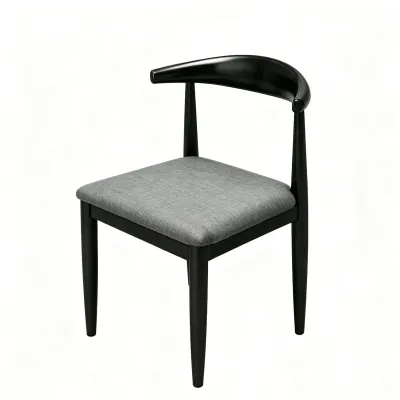
Prices are valid at publication and may change. Please refer to the product page for the latest price.
To ensure comfortable movement, measure a clearance zone around the table. A reliable method is to allow at least 90 centimeters of open space between the edge of the table and the nearest wall or obstacle. This clearance allows diners to pull out their chairs and sit down without hitting the wall, while leaving enough room for someone to walk behind them.
Next, compare the table’s dimensions in both its collapsed and fully extended states. For daily use as a six-seater, the table should sit comfortably within your room, leaving ample space for daily foot traffic. When fully extended to accommodate ten people, the table will expand significantly; you must verify that this extended length does not block primary walkways or trap guests in their seats.
Do not forget to account for the physical layout of your home’s entry points. Many extendable dining tables are exceptionally heavy and feature long, solid top panels that cannot be disassembled. Measure the width and height of your front door, hallway corners, stairwells, and, if you live in a condominium, the service elevator doors and interior cabin.
If your building has tight elevator turns or narrow stairwells, you may need to look specifically for knock-down designs that can be assembled directly inside your dining room. Confirming these delivery clearances beforehand prevents the frustration of a delivery team being unable to bring your new table with chair set into your home.
Comparing Extension Mechanisms and Stability
The mechanism that allows your table to expand determines how easily you can transition from daily dining to hosting. One common design is the butterfly leaf system, where the extension panel is stored on a hinged mechanism directly beneath the tabletop. When you pull the table ends apart, the leaf flips open like butterfly wings to fill the gap, eliminating the need to store a separate leaf in a closet.

Another option is the drop-leaf mechanism, where hinged panels hang down at the sides of the table when not in use. While highly space-efficient, drop-leaves often have visible seams and may offer less legroom at the ends of the table. Alternatively, sliding tracks with independent insert boards require you to store the extra panels elsewhere in your home, but they often allow for a highly stable, seamless tabletop when fully assembled.
When evaluating these mechanisms in a showroom or reviewing specifications online, consider whether a single person can operate the extension smoothly. High-quality metal gear tracks or ball-bearing slides allow the table to glide open with minimal effort, whereas poorly constructed wooden slides can stick, especially in humid tropical climates where wood naturally expands.
Stability is a critical safety factor when a table is fully extended to its ten-person capacity. Inspect the leg placement: tables with legs positioned at the very corners generally offer the best stability and maximize legroom for guests. Pedestal tables or those with trestle bases look elegant, but you must verify that the center support is heavy and wide enough to prevent the table from tipping or sagging when weight is placed on the extended ends.
Examine the hardware beneath the table surface. Look for robust metal latches, alignment pins, and locking systems that secure the extended panels firmly in place. Flimsy plastic clips or misaligned wooden dowels can wear down quickly, leading to uneven seams, wobbling, or accidental collapsing under the weight of heavy serving dishes.
Evaluating Materials and Surface Finishes
The materials used in your dining set directly impact its longevity, maintenance requirements, and structural integrity. In the Philippines, high relative humidity and temperature fluctuations can cause wood to warp, crack, or split if it is not properly seasoned and sealed. When considering solid wood, verify that the manufacturer has treated the timber to withstand tropical climates.
Solid hardwood options like teak, mahogany, or acacia are highly durable and can be refinished over time, but they require regular conditioning and are susceptible to water rings from cold drinks. Engineered wood, such as medium-density fiberboard (MDF) with a high-quality wood veneer, offers excellent resistance to warping and is often more budget-friendly, though you must check that the edges are sealed tightly to prevent moisture from seeping in and causing the material to swell.
Alternative tabletop materials like tempered glass or sintered stone offer distinct advantages. Tempered glass creates a modern, airy feel and is incredibly easy to wipe clean, but it shows fingerprints easily and can feel noisy when placing plates down. Sintered stone and ceramic tops are highly resistant to scratches, heat, and stains, making them excellent for busy households, though they add significant weight to the table and require a very sturdy frame to support them.
Beyond the tabletop, pay close attention to the frame and joint connections. The structural frame must support not only the weight of the table itself but also the downward pressure of ten diners leaning on the surface. Look for reinforced metal brackets, corner blocks, or traditional mortise-and-tenon joints secured with heavy-duty screws rather than simple glue and staples.
Always review the manufacturer’s specific cleaning and care instructions before purchasing. A table with chair set used daily in a busy household will inevitably face spills, condensation from iced pitchers, and hot serving pots. Ensure the surface finish is rated to resist mild heat and moisture, and avoid materials that require specialized, hard-to-find cleaning chemicals.
Selecting the Right Chair Configuration
A complete table with chair set must accommodate ten people comfortably without cluttering your dining room on ordinary days. A practical seating strategy is to purchase a set that includes six matching, high-comfort chairs for daily use. For the remaining four seats needed during larger gatherings, look for coordinating stackable chairs, folding chairs, or a low-profile bench that can be stored in a nearby room or hallway when not in use.
Before finalizing your chair selection, measure the dimensions of the chairs against the table’s under-clearance height. The chairs must be able to slide completely under the table when it is collapsed to its six-person configuration. If the chair armrests are too high or the seat frames are too wide, they will stick out into your walking paths, defeating the space-saving purpose of your extendable table.
Consider the physical comfort of your guests during long, leisurely meals. Look for chairs with an ergonomic seat depth and supportive backrests that encourage good posture. If you prefer upholstered chairs, opt for performance fabrics that are treated to resist stains and liquid absorption, or choose easy-to-clean materials like synthetic leather or molded plastic that can be wiped down instantly after a spill.
In tropical climates, breathability is another key factor for seating comfort. Solid wood or plastic chairs can feel warm during hot afternoons, whereas chairs featuring woven rattan, cane, or breathable mesh backrests allow for natural airflow, keeping your guests comfortable even during extended family celebrations.
Building Your Shortlist: Pre-Purchase Verification
Before you click buy or make a deposit at a furniture showroom, compile a checklist of verification questions for the seller. Confirm the maximum weight capacity of the table in both its collapsed and fully extended states. Additionally, ask about the availability of replacement hardware, such as matching hinges, slides, or alignment pins, which can be difficult to source years down the line if a component breaks.
Inquire about the warranty coverage, specifically checking if it covers the mechanical extension parts and structural joints rather than just cosmetic defects. A reputable manufacturer should offer a clear warranty period that gives you peace of mind regarding the durability of the moving components.
When your dining set is delivered, perform a thorough inspection before the delivery team leaves. Test the extension mechanism multiple times to ensure it glides smoothly without catching or requiring excessive force. Check that the seams between the main tabletop and the extension leaves are perfectly level, as uneven joints can cause glasses to tip over and ruin the look of your table.
Place the table on a flat section of your floor and check for any wobbling or instability. If your floor is slightly uneven, look for tables equipped with adjustable leveling feet that allow you to stabilize the frame manually. Finally, clarify the seller’s return policy and the availability of professional assembly services, as assembling a complex, heavy extendable table yourself can be challenging and may void the warranty if done incorrectly.
Frequently Asked Questions (FAQ)
How do I maintain the extension tracks and hinges?
To keep your extendable table operating smoothly, clean the tracks and hinges regularly. Dust, food crumbs, and small debris can easily fall into the gaps during meals and accumulate in the sliding tracks, causing the mechanism to jam or grind over time. Use a soft brush or a vacuum cleaner attachment to clear out any debris before expanding or collapsing the table.
Periodically apply a small amount of manufacturer-approved lubricant, such as dry silicone spray, to the moving metal parts to maintain a smooth glide. Avoid using heavy oils or WD-40, which can attract dust and create a sticky buildup. Additionally, ensure that any liquid spills near the seams are wiped dry immediately to prevent moisture from seeping into the mechanical joints, which can lead to rust, corrosion, or wood swelling.
Can I use a standard tablecloth on an extendable table?
Using a standard tablecloth on an extendable table requires some planning due to the changing dimensions and the seams of the extension joints. When the table is collapsed for daily six-person use, a standard-sized cloth works perfectly. However, when you extend the table to its ten-person length, that same cloth will be too short, leaving the ends of the table exposed.
To solve this, you can invest in two separate tablecloths: one sized for the daily collapsed length and a longer one reserved for hosting. Alternatively, you can use a modular approach with a central table runner that covers the extension seams, combined with individual placemats for each guest. To prevent the fabric from shifting or catching on the extension gaps, use non-slip pads underneath the cloth or secure the edges with discreet tablecloth weights.
Community discussion
Share your experience or ask a question. Comments are reviewed before publication.