
Quick Decision Guide: Foam Density and Types for Family Sofas
Selecting the right foam for a large family sala set is the single most important factor in determining how long your sofa will remain comfortable and supportive. For high-traffic 3-5 seater couches and L-shaped configurations, the ideal choice is a high-density polyurethane (PU) foam or High Resilience (HR) foam with a density rating between 28 kg/m³ and 35 kg/m³. This specific range provides the structural integrity required to withstand heavy daily use without flattening prematurely.
When evaluating options, it is crucial to distinguish between firmness and density. While firmness dictates the initial feel when you sit down, density determines the foam’s durability and ability to bounce back over time. For a busy household, prioritizing a high-density rating ensures that your investment is protected, keeping your living room seating looking plump and feeling supportive for years to come.
How Foam Density Dictates Durability in Large Sofas
Foam density is a technical measurement calculated by the mass of the raw material per unit volume, typically expressed in kilograms per cubic meter (kg/m³). In simple terms, a higher density means there is more actual polymer material and fewer air pockets packed into each cushion. When multiple family members sit on a sofa daily, low-density foam quickly collapses because its thin cell walls cannot support the continuous weight, leading to permanent sagging.
Products mentioned in this guide

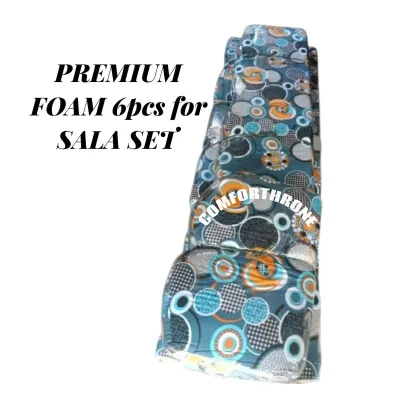
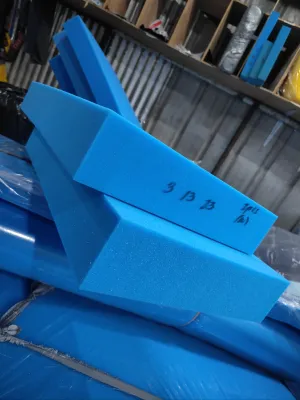
Prices are valid at publication and may change. Please refer to the product page for the latest price.

Large sofas, such as 5-seater configurations or expansive L-shaped sectionals, feature long, unsupported spans of seating. These wide areas are highly susceptible to uneven weight distribution, especially in popular spots like the corner wedge or the chaise lounge. If you use low-density foam across these long spans, the cushions will sag unevenly, creating uncomfortable dips that ruin the alignment of the sofa frame and strain the fabric covers.
To avoid this, always verify the manufacturer’s density specifications rather than relying on marketing terms like “extra firm” or “orthopedic.” A low-density foam can easily be chemically treated to feel incredibly stiff when brand new, but this artificial firmness will break down within a few months of heavy use. True high-density foam, even when formulated to have a soft or medium feel, retains its internal structure and thickness under constant pressure.
Comparing Foam Materials for High-Traffic Sala Sets
High Resilience (HR) foam is widely considered the gold standard for family sala sets. It is manufactured using a specialized chemical process that creates an uneven, open-cell structure, which provides exceptional elasticity and support. When you stand up, HR foam instantly bounces back to its original shape, preventing the unsightly pooling of fabric. Its superior weight distribution properties make it highly comfortable for long movie nights or afternoon naps.
Standard Polyurethane (PU) foam is a highly common and cost-effective alternative. While it is budget-friendly in terms of upfront ₱ cost, lower grades of standard PU foam (under 24 kg/m³) are highly prone to rapid degradation under heavy daily loads. If you are working within a budget, standard PU foam is best utilized for back cushions, armrests, or accent pillows, where the physical load is significantly lower than on the seat cushions.
Memory foam is often praised for its body-contouring comfort, but it presents distinct challenges in tropical environments. In warm and humid climates, memory foam tends to trap body heat, creating a hot and sweaty seating experience. Additionally, memory foam lacks the quick-response bounce-back of HR foam, making it difficult to move around on a deep sofa. If you prefer the feel of memory foam, look for a layered cushion design that features a thick, high-density HR foam base topped with a thin, breathable comfort layer.
Practical Steps to Evaluate and Order Replacement Foam
Replacing the worn-out foam in your existing sala set is a highly practical way to restore your furniture without buying an entirely new frame. The first step is to measure your cushion covers accurately. Do not measure the old, saggy foam inserts, as they have likely stretched or lost their shape. Instead, remove the foam and measure the empty fabric cover from seam to seam while laying it completely flat on a table.
To achieve a professional, plump look that prevents the fabric from wrinkling, add a small allowance to your measurements. Upholsterers generally recommend ordering the new foam block about 1 to 2 centimeters thicker, wider, and longer than the actual cover dimensions. This slight oversizing ensures the foam fills out the corners of the cover tightly, creating a clean and tailored appearance.
Before placing your order with a local supplier, take a moment to inspect the underlying sofa frame. Remove the cushions and check the elastic webbing, zig-zag springs, or wooden slats. If the webbing is stretched out or the springs are broken, even the highest-quality foam will still sag. Address any structural frame issues first to ensure your new high-density foam has a flat, stable foundation to perform its job effectively.
When communicating with upholstery suppliers, ask direct questions about their materials. Request the exact density rating in kg/m³ and ask if the foam has been treated for moisture resistance, which is highly beneficial in humid climates. Confirming these specifications beforehand ensures you receive a high-quality product that matches your family’s daily needs.
Identifying Foam Degradation and Extending Cushion Lifespan
Recognizing the early signs of foam failure can save your sofa frame from unnecessary wear and tear. The most obvious indicator is a visible indentation that remains in the cushion long after you have stood up. Other signs include a noticeable loss of support where you can feel the hard wooden frame underneath, or a powdery residue crumbling out from the bottom of the cushion covers, which indicates the chemical bonds of the foam are disintegrating.
Environmental factors play a massive role in how quickly sofa foam degrades. High humidity can accelerate the breakdown of low-quality polyurethane, while direct sunlight from large living room windows weakens the foam cells, causing them to become brittle. To protect your cushions, position your sala set away from harsh afternoon sun or use window treatments to block UV rays.
To maximize the lifespan of your new foam, establish a regular maintenance routine. Rotate and flip your seat cushions every two to three weeks to distribute the wear evenly across all seating areas. This simple habit prevents the middle seats from wearing out faster than the ends, ensuring your large family sofa remains comfortable and visually appealing for years to come.
Frequently Asked Questions (FAQ)
Can I mix different foam densities for the seat and back cushions?
Yes, mixing different foam densities is a standard and highly recommended upholstery practice. Seat cushions bear the full weight of the body and require a high-density, firmer foam (such as 30-35 kg/m³) to prevent bottoming out. Back cushions do not experience the same level of load and are better suited for a lower density, softer foam (around 20-24 kg/m³) or a fiberfill wrap, which provides a plush, comfortable feel while keeping your overall replacement costs manageable.
Does thicker foam always mean better support for a large sofa?
No, thickness does not equal quality or support. A 15-centimeter thick cushion made of low-density foam will flatten and sag much faster than a 10-centimeter cushion made of high-density HR foam. While thickness provides height, density is what actually supports weight and resists collapsing over time. Always prioritize a higher density rating over sheer thickness when selecting foam for a busy family sofa.
How do I know if my L-shaped sofa corner needs special foam?
The corner seat of an L-shaped sofa is typically the most popular spot in the house and experiences the highest concentration of daily wear. To prevent this critical junction from sagging, it is best to use a single, continuous piece of high-density foam for the corner cushion rather than piecing together smaller scraps. Ensure the edges are reinforced or wrapped in dacron to maintain a clean, structured look and prevent the foam from splitting at the seams.
Community discussion
Share your experience or ask a question. Comments are reviewed before publication.