
Choosing the right outdoor seating depends heavily on where you plan to pitch your camp. A chair that feels stable on a grassy clearing can easily sink into the soft sands of a beach, while a low-slung beach lounger might leave you struggling on a rocky mountain trail. To get the most out of your outdoor adventures, selecting a design tailored to your specific terrain is essential.
When planning your outdoor gear setup, finding a compatible foldable camping table and chair combination ensures you have a functional space to relax, cook, and dine. The ideal setup balances portability with structural stability, adapting to the unique environmental challenges of your destination. By understanding how different designs perform on sand versus soil, you can make an informed choice that keeps you comfortable throughout your trip.
Assessing Your Terrain: Sand vs. Uneven Trails
The ground beneath your feet dictates the structural demands of your outdoor furniture. Coastal destinations present shifting, fine-grained sand that yields under concentrated pressure. When you sit, your body weight concentrates on the small footprint of the chair legs, causing standard vertical legs to sink unevenly. This shifting base not only compromises your comfort but also puts uneven stress on the frame joints, which can lead to sudden structural failure.
Products mentioned in this guide
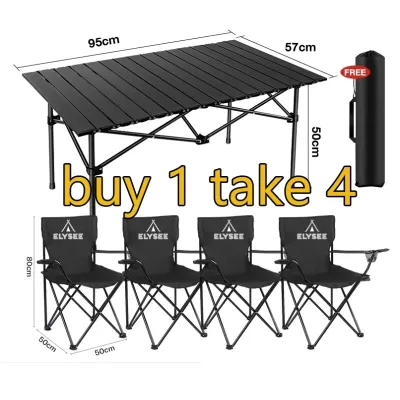
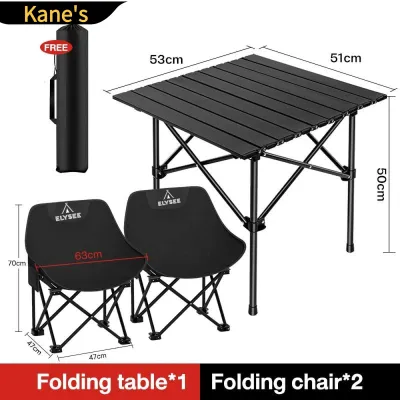
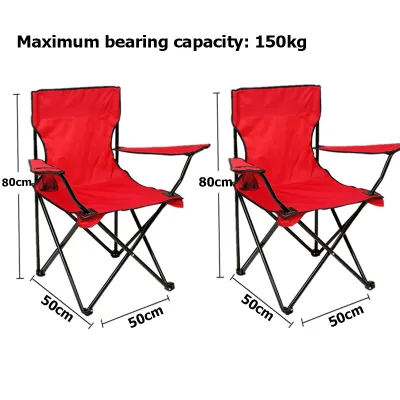
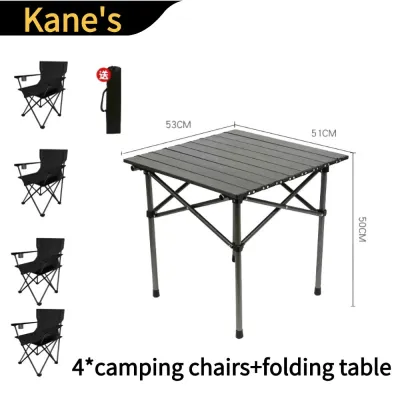
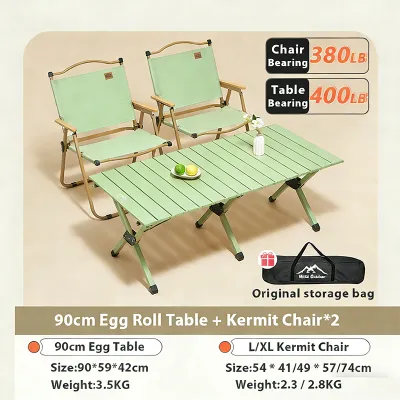
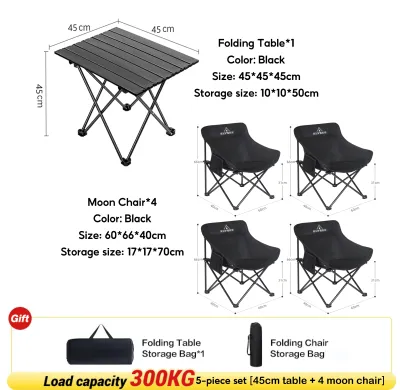
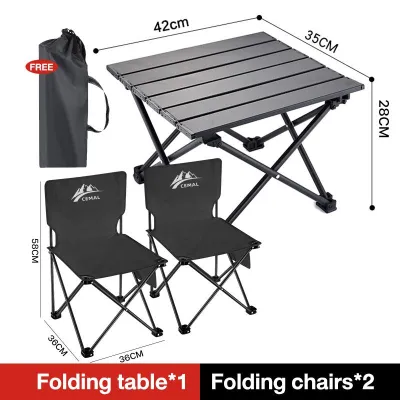
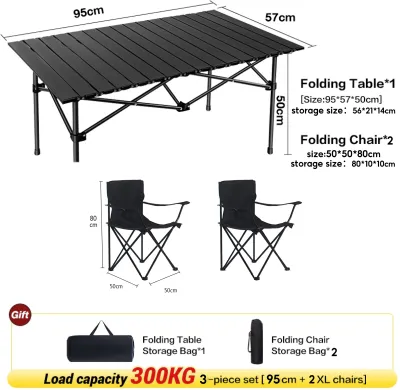
Prices are valid at publication and may change. Please refer to the product page for the latest price.
In contrast, mountain trails and elevated campsites present a mix of hard-packed dirt, loose gravel, exposed tree roots, and sloped surfaces. Here, the challenge is not sinking, but finding a level purchase on an unforgiving, uneven surface. A chair used in these environments must maintain its balance without wobbling, requiring robust joints and feet that can grip rough terrain without slipping.
Wind patterns also differ dramatically between these two environments, affecting how you should evaluate a chair’s center of gravity. Coastal areas often experience strong, continuous sea breezes that can easily tip over lightweight, high-profile furniture when unoccupied. Mountain campsites, while sometimes shielded by dense tree cover, can experience sudden, swirling gusts on exposed ridges, making a low center of gravity and a wide, stable base highly advantageous.
Environmental exposure also plays a massive role in the wear and tear of your gear. Beach trips expose your equipment to highly corrosive saltwater spray, fine sand particles that clog folding mechanisms, and intense tropical humidity. Mountain environments present different challenges, including sticky pine sap, abrasive dirt, mud, and overnight dew that can seep into untreated fabrics and cause mold. Understanding these distinct stressors is the first step in choosing gear that lasts.
Selecting a Foldable Chair for Beach Trips
To prevent your chair from sinking into the sand, pay close attention to the base design and foot structure. Look for chairs featuring wide, flat feet—often called “sand feet”—or those with a continuous, U-shaped frame base that distributes weight across a larger surface area. Low-profile chairs, which sit closer to the ground, naturally spread your weight more evenly and are far less likely to burrow into the soft shoreline.

Wind resistance is another critical factor when selecting a beach chair. High-back chairs with large fabric surfaces act like “sails” in coastal breezes, tipping over the moment you stand up. Opting for a low-back profile or a chair with integrated mesh panels allows wind to pass through easily, keeping your seating upright and secure even when the sea breeze picks up.
Material selection is paramount for surviving the harsh coastal climate. Check the manufacturer’s specifications for rust-resistant frame treatments, such as powder-coated steel or anodized aluminum, which resist the corrosive effects of salty air. Additionally, prioritize quick-drying, synthetic fabrics like heavy-duty polyester or nylon mesh that can be easily rinsed with fresh water to remove salt crust and sand.
Before purchasing, inspect the folding joints to ensure they are shielded or simple in design. Complex, multi-jointed mechanisms tend to trap fine sand grains, which act as an abrasive and grind down the frame over time. A simple, smooth folding action with minimal crevices will make it much easier to maintain your chair after a long day by the ocean.
Choosing a Foldable Chair for Mountain Camping
When heading into the mountains, portability and packed dimensions are your primary constraints, especially if you need to carry your gear along steep trails. Look for ultra-lightweight backpacking chairs that fold down into compact carrying pouches, easily fitting inside or strapping to the exterior of your pack. If you are car camping, ensure the packed dimensions fit comfortably alongside your other gear in your vehicle’s trunk without taking up excessive space.
Structural stability on uneven ground requires a frame with exceptional joint integrity. Verify that the frame joints are reinforced with heavy-duty molded connectors or high-strength aluminum hubs. It is crucial to check the manufacturer’s rated weight capacity to ensure the frame can handle the dynamic forces of sitting down on a slope, where your weight may not be distributed evenly across all four legs.
Mountain climates can change rapidly, bringing cool evening breezes and damp morning mist. Look for chairs made from weather-treated, high-denier fabrics that resist moisture absorption and dry quickly. Some mountain-specific chairs offer double-layered fabric or compatible insulated covers to shield your back from cold drafts, ensuring you stay warm as the temperature drops at higher elevations.
Additionally, consider the height of the seat relative to the ground. A higher seat clearance is beneficial in the mountains, as it keeps you clear of damp undergrowth, mud, and crawling insects. It also makes it much easier to stand up after a long day of hiking, reducing strain on your knees and lower back when operating on uneven terrain.
Can One Chair Work for Both Beach and Mountain?
If you enjoy both coastal getaways and mountain treks, you might wonder if a single hybrid chair can handle both environments. Hybrid designs typically feature a medium seat height, standard cup holders, and moderately wide feet. While these chairs offer decent versatility, they require clear trade-offs; they may still sink slightly in very soft sand and can feel somewhat bulky when carried up a steep mountain trail.
To decide whether to invest in one versatile chair or two specialized models, evaluate your primary camping habits and trip frequency. If eighty percent of your trips are to the beach, prioritize a sand-friendly, low-profile chair and accept that you may have to find exceptionally flat ground when using it on occasional mountain trips. Conversely, if you are an avid hiker, a lightweight, high-clearance chair is non-negotiable, and you can purchase separate slip-on sand feet attachments for your beach excursions.
Before using any standard chair across multiple terrains, always perform a thorough safety check. Verify the manufacturer’s specifications regarding weight limits and terrain recommendations. Using a chair on a steep slope or soft sand can place unexpected stress on a single leg or joint, potentially exceeding its structural limits and causing the frame to bend or snap.
Completing Your Setup With a Foldable Camping Table
A complete outdoor setup is never truly functional without a reliable surface to hold your meals, drinks, and gear. When selecting a foldable camping table and chair set, ergonomic pairing is essential for comfort. Check that the table’s height aligns comfortably with your chair’s armrests or seat height; a table that is too high forces you to reach uncomfortably, while one that is too low requires constant bending.
Terrain stability is just as critical for tables as it is for chairs. For beach trips, look for tables with wide, flat leg bases or roll-up aluminum tops that sit on low, stable frames to prevent your drinks from tipping on shifting sand. For mountain camping, prioritize tables with independently adjustable legs, which allow you to level the tabletop perfectly even when parked on rocky, sloped ground.
Finally, coordinate the transport logistics of your entire setup. Evaluate the combined packed dimensions and total weight of both your table and chairs to ensure they fit your transport method, whether that is a compact car trunk or a hiking backpack. Many manufacturers offer coordinated sets designed to pack down together, saving valuable space and ensuring a matching, stable setup wherever you choose to camp.
Frequently Asked Questions (FAQ)
How do I clean sand and dirt out of folding chair joints?
Start by performing a thorough visual inspection of all hinges, rivets, and sliding joints after your trip to locate trapped debris. Use a soft-bristled brush or a can of compressed air to gently dislodge sand grains and dry dirt from the moving parts. If the manufacturer’s care label permits, rinse the joints with clean, fresh water to wash away salt residue, then allow the chair to dry completely in a shaded, well-ventilated area before folding and storing it to prevent rust. If the joints still feel gritty or stiff after cleaning, avoid forcing them and consult the manufacturer for specific maintenance advice.
Are low-profile beach chairs suitable for people with mobility issues?
Low-profile beach chairs can present significant ergonomic challenges for individuals with limited mobility, as sitting down and standing up from a position close to the ground requires substantial leg strength and core balance. For better accessibility, look for chairs with a standard or elevated seat height, sturdy and rigid armrests that provide leverage when rising, and a wide, stable base that resists tipping. Always check the product’s physical dimensions and test the rise height to ensure the chair aligns comfortably with your personal physical needs before heading out.
Community discussion
Share your experience or ask a question. Comments are reviewed before publication.