
Finding the right folding table with chairs set for a small apartment balcony requires balancing physical dimensions, weather resistance, and daily usability. The ideal set is one that matches the exact footprint of your outdoor space while folding down completely to maintain clear walkways when not in use. By focusing on precise space assessment, configuration types, material verification, and safety checks, you can transform a compact balcony into a functional outdoor retreat. Before exploring furniture options, it is essential to measure your available area accurately and set a realistic budget in ₱ to guide your search.
Assessing Your Balcony Space and Layout Constraints
Measuring your balcony is the most critical step to avoid purchasing furniture that blocks walkways or creates safety hazards. Begin by calculating the usable floor area, noting the length and width of the space where the set will be placed.
Account for the door swing clearance by opening the balcony door fully and marking its path on the floor. The table and chairs must sit entirely outside this arc to ensure you can enter and exit the balcony safely.
Products mentioned in this guide
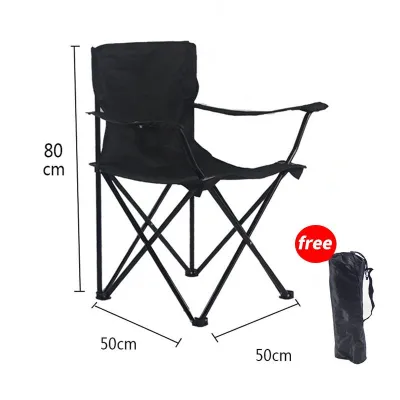
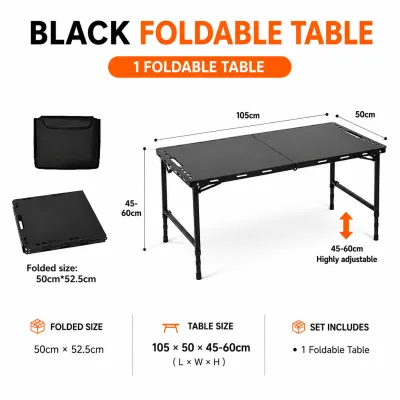
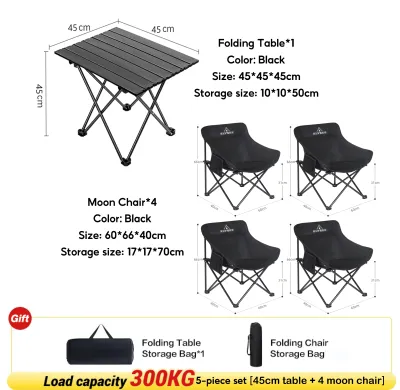
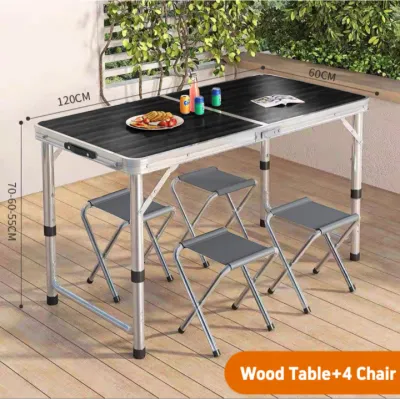
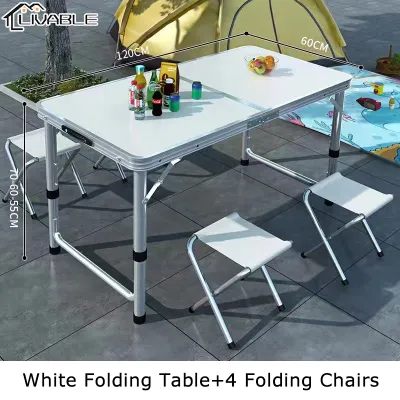
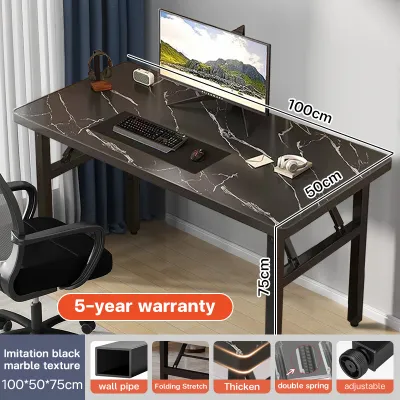
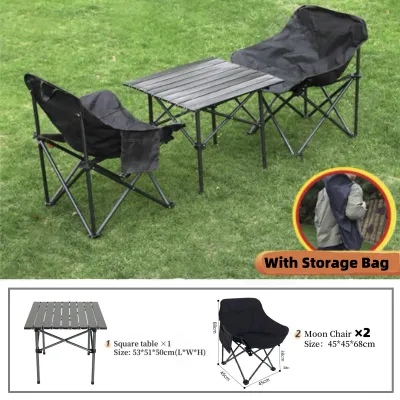
Prices are valid at publication and may change. Please refer to the product page for the latest price.
Check the height of the balcony railing to ensure the table height aligns comfortably and safely with the barrier. Standard railings must not be obstructed, and the furniture should not provide an easy foothold that compromises safety.
Identify any fixed obstructions such as outdoor air conditioning compressors, drainage pipes, or wall-mounted utility meters. These fixtures reduce the actual usable floor area and may limit where you can place your table and chairs.
Verify that the furniture can be easily transported to your apartment by checking the dimensions of your building’s doorways, hallways, and elevator lifts. Large or pre-assembled items can be difficult to maneuver through tight common areas.
Consult your building management or condominium administration to verify structural weight limits for the balcony floor. While most modern balconies easily support standard folding sets, verifying these limits is a necessary precaution for older structures or heavier setups.
Space-Saving Configurations for Compact Areas
Selecting the right furniture configuration depends heavily on the shape of your balcony and how you plan to use the space. Matching the table shape to your balcony’s footprint maximizes floor space and improves traffic flow.

Narrow balconies benefit from rectangular or semi-circular tables that sit flush against the wall or railing. These shapes keep the center walkway clear while providing enough surface area for dining or working.
Square balconies can accommodate small round or square tables, which offer more flexible seating angles and a classic bistro feel. These layouts are ideal for face-to-face dining and intimate conversations.
Evaluate the trade-offs between permanent floor space usage and setup convenience. If you use your balcony daily for multiple activities, a fully collapsible set that can be tucked away is more practical than a semi-permanent installation.
Wall-Mounted and Drop-Leaf Designs
Wall-mounted folding tables attach directly to the balcony wall or hang securely from the railing, leaving the floor completely clear when folded down. This design is highly efficient for extremely narrow balconies where every centimeter of floor space matters.
Before choosing a wall-mounted unit, inspect the wall material and structural integrity to ensure it can support anchors and screws. Concrete or solid brick walls are suitable for heavy-duty anchors, while thin cladding or drywall requires specialized fasteners and building approval.
Assembly conditions and anchoring methods must be carefully reviewed in the manufacturer’s instructions. Proper installation prevents the table from pulling away from the wall under load.
Drop-leaf tables offer a freestanding alternative where one or both sides of the tabletop fold down. This design transforms a dining surface into a narrow console table that can stay against the wall when not in use, providing excellent flexibility.
Nesting, Stackable, and Folding Chair Options
Choosing the right chair storage method is just as important as selecting the table. Folding chairs are highly portable and can be tucked away in narrow gaps, but they often have thinner frames that require careful inspection of the locking joints for stability.
Stackable chairs provide a more rigid, stable frame and can be piled vertically in a corner. While they offer excellent stability, they require a larger permanent storage footprint than flat-folding models.
Nesting chairs slide partially under or into each other, offering a middle ground between folding and stacking designs. They are easy to clear away quickly but still require a dedicated storage area on the balcony.
Plan a dedicated, dry storage zone inside the apartment or in a protected corner of the balcony to keep folded chairs secure. Keeping walkways clear is essential for safety and ease of movement.
Material and Weather Resistance Checks
Because balcony furniture in the Philippines is exposed to high humidity, intense tropical sunlight, and heavy seasonal rain, material selection requires careful verification. Do not rely on material names alone; instead, read the manufacturer product labels and manuals for explicit outdoor-use ratings.
Look for powder-coated steel or aluminum frames to check for rust resistance. Untreated metal frames will quickly corrode in humid coastal or urban environments, leading to structural failure.
Verify that plastic, synthetic wicker, or wooden components have documented UV-stable treatments. Without these treatments, prolonged exposure to intense sunlight causes plastics to become brittle and wood to warp or crack.
Examine the quality of the joints, hinges, and hardware. Stainless steel or brass fittings are preferred for outdoor use, as they resist rust and ensure the folding mechanism continues to operate smoothly over time.
Verify the manufacturer’s specified weight capacity limits for both the table and chairs. Ensuring the furniture can safely support daily use prevents accidental collapses and extends the lifespan of the set.
Safety, Stability, and Wind Considerations
High-rise balconies are subject to stronger wind currents, making furniture stability a critical safety factor. Examine the base width and center of gravity of both the table and chairs; wider bases and lower profiles are less likely to tip over in sudden gusts.
Look for models with built-in safety locks that prevent the frames from folding accidentally while in use. These locks add structural rigidity and prevent the furniture from collapsing if bumped.
Avoid extremely lightweight plastic sets if your balcony is highly exposed to wind, or plan to secure them using non-damaging methods. Weighted bases or securing straps can help keep lightweight items in place.
Establish a clear protocol for severe weather, such as typhoons, which includes folding all furniture flat and bringing it inside the apartment. Never leave loose furniture on an open balcony during a storm, as it can become dangerous airborne debris.
Maintenance and Long-Term Care
Regular maintenance protects your investment from the corrosive effects of humid air and dust accumulation. Clean the frames and seating surfaces regularly using a soft cloth, mild soap, and warm water, avoiding abrasive cleaners that can scratch protective coatings.
Periodically inspect and lubricate the folding hinges and moving joints with a silicone-based lubricant. This prevents rust from forming in the moving parts and ensures the set folds and unfolds smoothly.
When the furniture will not be used for an extended period, store it in a dry, shaded indoor area. Alternatively, use fitted, waterproof outdoor covers to shield the set from dust, rain, and sun exposure.
Frequently Asked Questions (FAQ)
Do condominium rules in the Philippines restrict balcony furniture?
Yes, many condominium developments and homeowner associations in the Philippines enforce strict guidelines regarding balcony use. Before purchasing or installing furniture, review your building’s house rules to check for restrictions on hanging items over railings, drilling into exterior walls for wall-mounted tables, or storing lightweight items that could blow away. Fire safety codes also strictly prohibit blocking balcony doors or emergency evacuation routes, so your furniture layout must always leave a clear path.
How can I prevent a lightweight folding table from blowing away?
To secure lightweight folding tables without damaging the balcony structure, place them strategically behind solid balcony walls or windbreaks to reduce direct wind exposure. You can also use heavy, weather-resistant weighted bases or sandbags designed for outdoor umbrellas to anchor the table legs. However, the most reliable safety measure during high-wind warnings or tropical storms is to fold the table flat and store it securely indoors.
Community discussion
Share your experience or ask a question. Comments are reviewed before publication.