
Selecting the right shelving for a home study room requires balancing your available floor space with the physical demands of your book collection. A study room is often a sanctuary for focus, but it can quickly become cluttered without an organized storage system. For many homeowners, a modular steel frame setup like a galba boltless shelving unit offers the ideal combination of durability, customizability, and modern industrial style. Unlike traditional wooden bookcases that are heavy, fixed in configuration, and prone to damage from moisture, these modular steel systems provide a highly adaptable solution that can grow alongside your library.
In the Philippine climate, where high relative humidity and seasonal moisture changes are common, choosing the right furniture materials and configurations is especially critical. Paper books absorb moisture from the air, making them heavier and more susceptible to mold, while poorly protected shelving can warp, sag, or rust over time. By selecting a versatile steel frame with adjustable tiers, you can optimize your study room layout to accommodate everything from light paperbacks to heavy academic binders. Finding the perfect configuration involves analyzing your room’s physical dimensions, estimating your total storage volume, and understanding the load-bearing limits of your shelving.
Assessing Your Study Room Space and Book Storage Needs
Before purchasing any shelving unit, you must accurately measure the physical footprint of your study room. Begin by using a steel tape measure to determine the available width and depth of the floor space where you plan to position the shelves. Do not rely on visual estimates, as even a discrepancy of a few centimeters can prevent a unit from fitting into a designated alcove or corner. It is equally important to measure the vertical clearance from the floor to the ceiling, taking note of any potential obstructions such as wall-mounted air conditioning units, light fixtures, ceiling fans, window sills, or low-hanging decorative trim.
Products mentioned in this guide
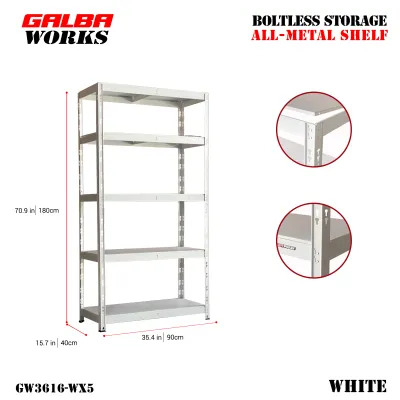
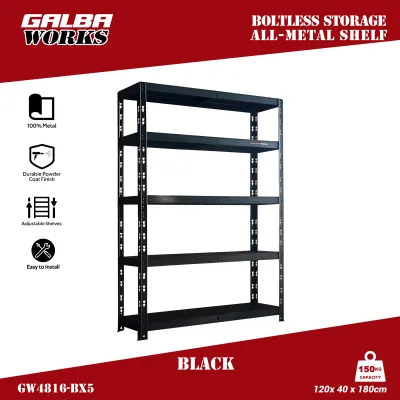
Prices are valid at publication and may change. Please refer to the product page for the latest price.
When planning the placement of your shelving, always account for the room’s architectural details and existing furniture. Baseboards along the bottom of your walls will prevent a shelving unit from sitting completely flush against the wall unless you account for that small gap in your depth calculations. You must also ensure that the shelves do not block electrical outlets, light switches, or internet ports that you need to access daily. If the shelving is placed near a study desk or doorway, verify that there is sufficient clearance for desk chairs to roll back and doors to swing open fully without striking the frame.
Once you have mapped out the physical space, turn your attention to the characteristics of your book collection, as different types of media present unique storage challenges. Standard literary paperbacks are relatively light and uniform, but professional reference materials, law books, medical textbooks, and heavy ring binders are exceptionally dense and heavy. Storing a large collection of these heavier volumes requires a highly robust support structure. To determine how many tiers you actually need, estimate the total linear footage of your current collection by measuring your books lined up end-to-end, and then add a buffer of twenty to thirty percent to accommodate future acquisitions.
Finally, consider the logistics of delivering and moving the shelving unit into your home study. While boltless shelves are typically delivered flat-packed in compact boxes, you must still verify that the package dimensions can easily clear your doorways, narrow hallways, tight stairwell turns, or condominium service lifts. Flat-packed delivery makes transport much simpler than moving pre-assembled wooden bookcases, but planning the path from your front door to the study room ensures a smooth, stress-free setup process on assembly day.
Key Galba Boltless Configurations for Study Rooms
Understanding the general sizing logic of a galba boltless shelving unit is the first step toward choosing the right configuration for your study room. These units are defined by three primary dimensions: width, depth, and height. Standard widths typically range from narrow options suitable for tight corners to wide spans designed for expansive walls. The depth of the shelves is equally crucial; shallower shelves keep standard novels neatly aligned and easily visible, while deeper shelves are necessary if you plan to store oversized art books, architectural portfolios, or plastic storage bins filled with study supplies.

Selecting the right combination of these dimensions allows you to customize your study room layout to match your specific storage habits. For instance, if you prefer a clean, minimalist aesthetic, you might opt for a configuration that allows you to mix books with decorative plants, framed certificates, and desk organizers. If your primary goal is maximum storage density, you will want to focus on maximizing both the height of the unit and the number of adjustable tiers. By analyzing your spatial constraints, you can choose between a compact setup or a high-capacity configuration.
Compact Setups for Small Corners and Reading Nooks
If you are working with a small study room, a cozy reading nook, or a shared home office, a compact shelving configuration is your best option. Choosing a unit with a narrower width and a shallower depth allows you to utilize tight corners or awkward alcoves that would otherwise go unused. These smaller footprints are highly efficient, fitting comfortably alongside a writing desk or behind a door without encroaching on the room’s central walking path.
To compensate for the limited floor space of a compact setup, you should look toward vertical storage solutions. Selecting a taller unit with five or six adjustable tiers allows you to maximize your storage capacity by utilizing the unused vertical space near your ceiling. However, when opting for a tall and narrow footprint, you must pay extra attention to the unit’s overall stability. Narrow bases combined with high vertical structures naturally raise the center of gravity, making it absolutely essential to verify that the unit is perfectly balanced and properly supported.
High-Capacity Setups for Extensive Book Collections
For researchers, academics, collectors, or professionals with extensive libraries, a high-capacity shelving setup is necessary to keep hundreds of volumes organized. Wider configurations provide long, continuous rows that allow you to categorize your books by subject, author, or utility. These wide spans are also ideal for holding large storage boxes, document archives, and heavy binders that require more surface area than standard books.
However, storing a high volume of heavy books introduces specific structural considerations regarding shelf width and load distribution. On wider shelves, the distance between the vertical support posts is greater, which means the horizontal beams must bear more weight over a longer span. If the shelves are overloaded without proper support, the deck materials can begin to sag or bow in the center, which can eventually damage your books or compromise the frame. To prevent this, wider configurations often require closer tier spacing, thicker deck boards, or additional metal support bars underneath each shelf level to distribute the weight evenly.
Before finalizing a high-capacity setup, always consult the manufacturer’s specifications to verify the maximum load capacity per tier and the total weight limit for the entire unit. Dense paper collections can easily accumulate hundreds of kilograms of weight across a single shelving system. Ensuring that your chosen configuration is rated to handle these heavy loads will protect your investment and keep your study room safe.
Evaluating Load Capacity and Shelf Adjustability
When evaluating a galba boltless shelving unit, it is vital to understand how manufacturers calculate and display load ratings. Most reputable brands specify a Uniformly Distributed Load (UDL) rating for each tier. A UDL rating means that the specified weight capacity is only valid if the load is spread evenly across the entire surface of the shelf, rather than concentrated in one single spot. For example, if a shelf is rated for 150 kilograms, placing a single 50-kilogram object directly in the center can cause more structural stress and bowing than spreading 150 kilograms of books evenly from left to right.
Overloading individual tiers or failing to distribute weight properly carries significant risks for your study room setup. Over time, excessive weight can cause the horizontal beams to bend permanently or cause the wooden deck boards to crack and sag. In extreme cases, overloading can compromise the integrity of the joints where the beams connect to the upright posts, leading to a structural failure. To maintain a safe environment, always place your heaviest items—such as encyclopedias, heavy binders, and storage boxes—on the lowest tiers, while keeping lighter paperbacks, decorative items, and stationery on the upper shelves.
One of the greatest practical advantages of a boltless design is its exceptional adjustability, which is incredibly useful for a dynamic book collection. Traditional bookcases have fixed shelf heights that often leave you with wasted vertical space above short paperbacks and insufficient space for tall binders. The rivet-and-slot (or keyhole) design of boltless shelves allows you to adjust the height of each individual tier in small increments. This means you can customize the spacing of your shelves to perfectly match the heights of your books, eliminating wasted air space and maximizing the efficiency of your storage.
In the tropical climate of the Philippines, environmental factors play a major role in the longevity of your study room furniture. High humidity levels can cause untreated steel frames to develop rust and can cause low-quality wood shelves to absorb moisture, swell, and harbor mold. When selecting your shelving, look for steel frames finished with a durable powder coating, which provides a protective barrier against moisture and rust. Additionally, ensure that the deck boards—whether they are made of high-density fiberboard, plywood, or steel—are treated, sealed, or laminated to resist moisture absorption, ensuring your shelves remain clean, dry, and structurally sound for years to come.
Assembly, Stability, and Safety in a Home Environment
Assembling a boltless shelving unit is a straightforward, tool-free process, but taking your time and using the right approach will ensure a sturdy final structure. The assembly relies on a system of rivets on the horizontal beams that slide and lock into keyhole slots on the vertical upright posts. While you do not need screws, bolts, or wrenches, you should use a soft rubber mallet to gently tap the beams into place. Avoid using a standard metal hammer, as the hard impact can chip the protective powder coating, expose the raw steel underneath to moisture, or dent the frame, which can compromise the tight fit of the joints.
For the shelving unit to perform at its rated load capacity, it must be assembled on a perfectly level floor. If your study room floor is slightly uneven—which is common in tiled spaces, older homes, or concrete structures—the frame of the shelving unit can twist slightly. This twisting, or torsional stress, prevents the load from distributing evenly across all four upright posts, which significantly reduces the unit’s overall stability and load capacity. Use a spirit level or a leveling mobile application during assembly to verify that the frame is perfectly square and upright before you begin loading it with books.
In any home environment, and particularly in regions prone to minor seismic tremors like the Philippines, anti-tip safety measures are absolutely critical for tall furniture. A tall shelving unit loaded with heavy books carries a substantial amount of potential energy; if it tips over, it can cause severe injury to family members, damage your floors, and ruin your book collection. This risk is amplified in households with active children or pets who might attempt to climb the shelves. To eliminate this hazard, it is highly recommended to anchor any shelving unit taller than 1.5 meters directly to the wall.
When anchoring your shelves, always use appropriate hardware designed for your specific wall type. Most homes in the Philippines feature solid concrete or masonry walls, which require masonry drill bits and plastic or metal expansion wall plugs to create a secure hold. If you are anchoring to a drywall partition, you must use specialized toggle bolts or hollow-wall anchors. Always consult the specific product manual provided with your shelving unit for exact, step-by-step assembly instructions, weight limits, and recommended anchoring hardware to ensure a safe, secure, and long-lasting installation in your home study.
Frequently Asked Questions (FAQ)
Can boltless shelves hold heavy hardcover books without sagging?
Yes, boltless shelves are highly robust and capable of holding heavy hardcover books, but their resistance to sagging depends on the shelf width, the thickness of the deck material, and how the weight is distributed. To prevent any bowing or structural damage, always check the manufacturer’s specified weight rating per tier and ensure that you distribute the books evenly across the entire shelf surface. For maximum stability and peace of mind, place your heaviest hardcover volumes and dense textbooks on the bottom tiers of the unit to keep the overall center of gravity as low as possible.
Do I need to anchor a boltless shelf to the wall in a study room?
While boltless shelves are structurally stable and freestanding when fully assembled on a level floor, anchoring them to the wall is strongly recommended for any unit that is tall, narrow, or heavily loaded. Anchoring is a vital safety measure to prevent the unit from tipping over during minor tremors, or if a child or pet attempts to climb the frame. Always consult the product manual for specific anchoring guidelines and use the correct wall plugs—such as expansion anchors for concrete walls or toggle bolts for drywall—to ensure the unit is securely fastened.
Community discussion
Share your experience or ask a question. Comments are reviewed before publication.