
Choosing between a balcony and a garden hammock setup requires two entirely different approaches to selecting a groundsheet. For a condominium balcony, your primary concerns are protecting delicate floor tiles, managing water runoff to avoid dripping onto neighbors below, and fitting into a tight, defined space. In contrast, a garden setup demands a groundsheet that can withstand constant soil moisture, resist punctures from sharp roots or rocks, and block insects. By evaluating these distinct environments, you can select a material that keeps your relaxation area clean, dry, and safe.
Assessing Balcony Constraints: Space, Surfaces, and Drainage
Condominium balconies present unique structural challenges that dictate your choice of a groundsheet. Most high-rise balconies feature hard flooring surfaces such as ceramic tiles, polished concrete, or wood decking. When you set up a heavy metal hammock stand, the feet can easily scratch, chip, or discolor these surfaces over time. A proper groundsheet acts as a protective buffer, distributing the weight of the stand and preventing direct metal-to-tile contact.
Water management is another critical factor in shared residential buildings. During sudden tropical downpours or when drying outdoor gear, water can pool rapidly on a balcony floor. If your groundsheet does not manage water properly, runoff can spill over the edge, potentially damaging the exterior facade or dripping onto the balconies of neighbors below. You must select a setup that either absorbs minor moisture or channels water toward the balcony’s built-in drainage grates.
Products mentioned in this guide
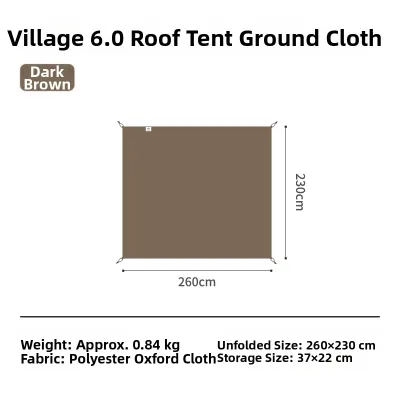
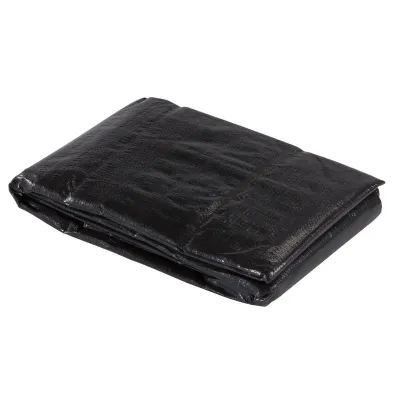
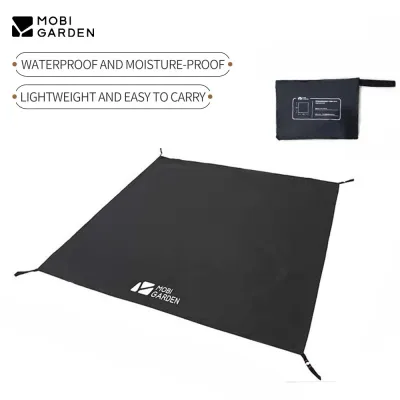
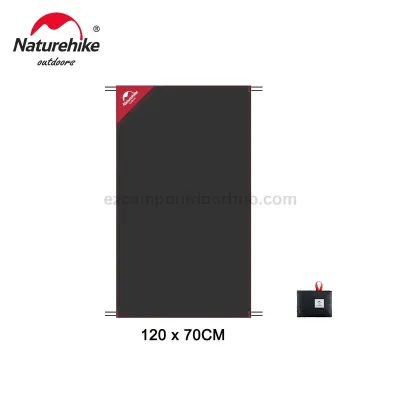
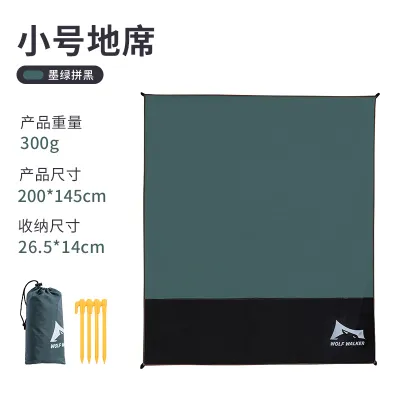
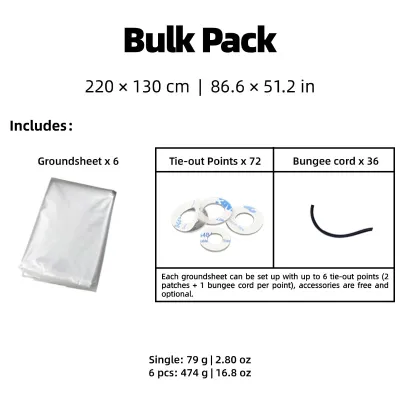
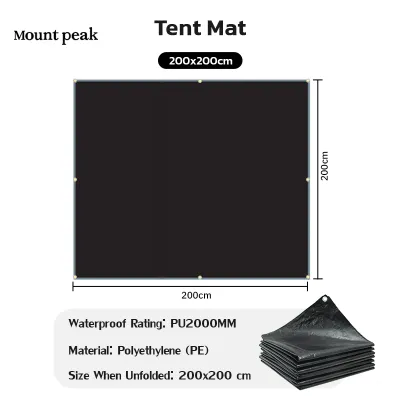
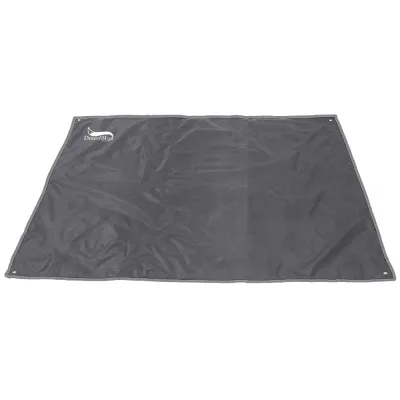
Prices are valid at publication and may change. Please refer to the product page for the latest price.
Space is always at a premium in a condo. Balcony dimensions are fixed, meaning a groundsheet that is too large will bunch up against walls, block sliding doors, or create dangerous tripping hazards. You need to measure the exact usable footprint of your balcony, keeping clear walkways for daily foot traffic. A compact, tailored groundsheet ensures that your relaxation corner remains orderly and does not interfere with the functionality of the outdoor space.
Finally, you must consult your condominium association’s house rules before purchasing or installing any outdoor accessories. Many homeowner associations enforce strict guidelines regarding balcony aesthetics, visible laundry, and water drainage. Some properties prohibit bright, industrial-looking tarps or require specific neutral colors to maintain a uniform building exterior. Reviewing these regulations beforehand prevents costly compliance issues or requests to remove your setup.
Evaluating Garden Conditions: Moisture, Terrain, and Durability
Setting up a hammock in an outdoor garden exposes your gear to the raw elements, requiring a highly resilient groundsheet. Ground moisture is a constant challenge in tropical climates, where morning dew and frequent rains keep grass and soil damp. Without a protective barrier, this moisture will seep upward, making the area directly under your hammock muddy, slippery, and unusable for stepping or storing gear. A groundsheet must block this rising dampness effectively.

The terrain of a garden is rarely completely smooth. Uneven soil, exposed tree roots, gravel, and sharp twigs can easily puncture thin fabrics. When you step onto the groundsheet or place heavy gear on it, these sharp objects can push through, ruining the material and potentially injuring your feet. Your garden groundsheet needs high puncture resistance to handle these rough, natural surfaces without tearing.
Insects and organic debris are also major considerations in any garden setting. Ants, termites, and other ground-dwelling pests can quickly invade your relaxation space if there is no physical barrier. Additionally, falling leaves, twigs, and decaying organic matter can stain your hammock or make the ground messy. A durable groundsheet creates a clean zone, making it much easier to sweep away debris and keep pests at bay.
Long-term exposure to direct sunlight and weather elements will rapidly degrade low-quality materials. Intense ultraviolet (UV) rays break down synthetic fibers, causing them to become brittle, fade, and crack over time. High humidity and heat also encourage the growth of mold and mildew on damp fabrics. To ensure your garden groundsheet lasts through multiple seasons, you must verify its weather-resistance ratings and choose materials designed for continuous outdoor exposure.
Selecting the Right Material and Features for Your Setup
Matching the right material to your specific environment is key to a successful hammock setup. For balcony use, look for hard-surface options such as soft-backed, non-slip mats or tightly woven indoor-outdoor rugs. These materials provide a cushioned barrier that protects tiles from scratches while allowing the floor underneath to breathe, preventing trapped moisture from causing discoloration or mold. Woven polypropylene rugs are often suitable because they dry quickly and offer a neat, residential appearance.
For heavy-duty garden applications, reinforced polyethylene (PE) or heavy-duty canvas tarpaulins are much more appropriate. Reinforced PE is highly resistant to water penetration and tearing, making it excellent for direct contact with wet soil and rough terrain. Heavy canvas offers a more natural aesthetic and high durability, though it requires proper treatment to resist rot and water absorption.
When choosing between these materials, you must weigh the trade-offs of weight, packability, and long-term durability. A thick, heavy-duty tarp offers maximum protection against punctures but is bulky to fold, heavy to carry, and difficult to store in a small space. Conversely, a lightweight nylon groundsheet is highly packable and easy to wash, but it may wear out quickly if used regularly on rough, rocky garden soil.
Before making a final decision, always verify the manufacturer’s labels and care instructions. Check for specific water-resistance ratings, UV-stabilization claims, and surface compatibility warnings. Some materials may react with certain deck sealants or become incredibly slippery when wet, so reading the fine print ensures you select a product that is safe and functional for your specific floor type.
Sizing, Placement, and Securing Your Groundsheet
To get the most out of your groundsheet, you must calculate the correct dimensions and plan how to secure it. Start by measuring the overall footprint of your hammock setup, including the stand or the distance between trees. Your groundsheet should cover the entire drip line—the area directly underneath the hammock where water would drip from the sides—as well as any adjacent space you plan to use for storing shoes, bags, or books.
On a balcony, you must adjust these dimensions carefully to ensure the groundsheet does not extend beyond the railings or block drainage paths. A groundsheet that hangs over the edge can catch the wind, creating a safety hazard, or channel rainwater directly onto the building’s exterior walls. Keep the edges of the sheet slightly inside the balcony perimeter to maintain a clean look and ensure proper water flow.
Securing your groundsheet requires different methods depending on the surface. For garden soil, choose a groundsheet with reinforced metal grommets along the edges, allowing you to secure it firmly with metal or plastic ground stakes. This prevents the wind from lifting the sheet and keeps it flat against the ground. On a hard balcony floor where stakes are impossible, use heavy-duty non-slip rug pads underneath the groundsheet, or weigh down the corners with heavy planters or the feet of the hammock stand itself.
Finally, plan for proper water runoff angles to prevent water from pooling in the center of your groundsheet. In a garden, a slight slope in the terrain can help water run off, provided the sheet is pulled taut. On a balcony, ensure the groundsheet is positioned so that any water drains naturally toward the floor grates rather than collecting under your hammock stand, which could lead to rust or mold growth.
Frequently Asked Questions (FAQ)
Can I use the same groundsheet for both my balcony and garden?
While it is physically possible to use one groundsheet for both settings, doing so requires significant compromises. A heavy-duty garden tarp may look too industrial and trap moisture on a tiled balcony, while a decorative balcony rug will quickly get ruined by mud and sharp roots in a garden. If you do transition a groundsheet from the garden to your balcony, you must wash and dry it thoroughly to remove dirt, insects, and moisture that could stain your balcony floor.
How do I clean and maintain a hammock groundsheet?
Regular maintenance extends the lifespan of your groundsheet and keeps your relaxation area hygienic. For general cleaning, sweep away loose dirt and debris, then hose down the material with clean water. If there are stubborn stains or mud, use a soft brush and mild soap, avoiding harsh chemical detergents that can strip away water-resistant coatings. Always allow the groundsheet to dry completely in a well-ventilated area before folding and storing it to prevent the growth of mold and mildew.
Community discussion
Share your experience or ask a question. Comments are reviewed before publication.