
Selecting the ideal J&T plastic cabinet for your bedroom requires balancing your immediate storage needs with the physical realities of your living space. Deciding between a 3-drawer, 4-drawer, or 5-drawer configuration is not merely a matter of choosing the largest option available; it involves evaluating your room’s vertical clearance, floor footprint limits, and the specific types of items you intend to organize. By matching the drawer count to your spatial constraints and daily routines, you can establish an organized, clutter-free environment that remains structurally safe and highly functional for years to come.
Assessing Your Bedroom Space and Layout
Before purchasing any new furniture, you must accurately measure the designated area in your bedroom to ensure a seamless fit. Begin by measuring the vertical clearance of the wall where you plan to position the cabinet. Take note of any low-hanging features such as window sills, wall-mounted air conditioning units, electrical fixtures, or sloped ceilings that could obstruct the top of a taller cabinet. A 5-drawer unit, for instance, requires significantly more vertical clearance than a 3-drawer model, and failing to account for these overhead obstacles can render the top drawer unusable or block vital airflow.
Next, evaluate the floor footprint of the room. Use a measuring tape to mark the width and depth of the cabinet on your floor, ensuring that the unit will not protrude into high-traffic walkways. In smaller bedrooms or shared apartments, every centimeter of floor space is valuable. You must verify that there is sufficient clearance for your bedroom door, closet doors, and nearby cabinet drawers to swing open fully without colliding with the new plastic cabinet. Leaving a comfortable buffer zone around the unit prevents accidental bumps and maintains a natural flow of movement throughout the room.
Products mentioned in this guide
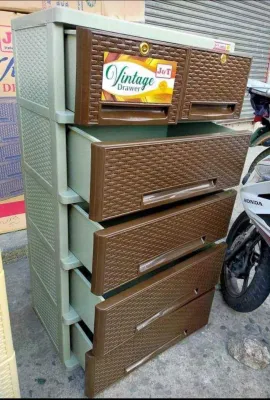

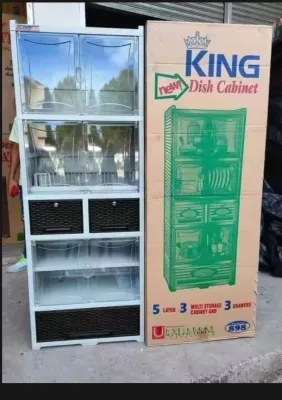

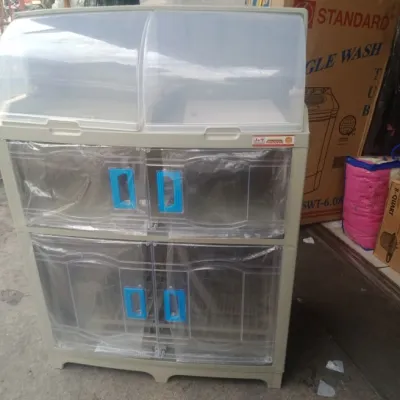
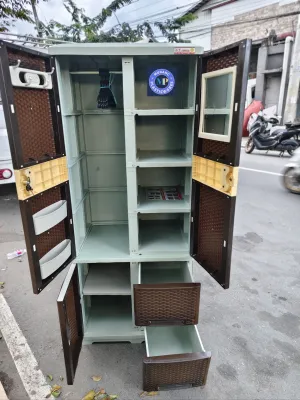
Prices are valid at publication and may change. Please refer to the product page for the latest price.
Another critical factor is the placement of electrical outlets and light switches. Placing a solid plastic cabinet directly in front of a wall outlet can block access to essential plugs for fans, chargers, or bedside lamps. If you must position the cabinet near an outlet, ensure there is enough clearance to plug in devices safely without bending the cords against the back of the unit. Additionally, in tropical climates where humidity levels are consistently high, leaving a small gap of two to three inches between the back of the cabinet and the wall is highly recommended. This gap promotes proper air circulation, reducing the risk of moisture buildup and mold growth behind the furniture.
Comparing Storage Capacity and Organization
Each drawer configuration serves a distinct organizational purpose, making it essential to match the unit to the volume and type of items you need to store. The 3-drawer J&T plastic cabinet is highly suited for minimalists, children’s bedrooms, or rooms with restricted vertical space. Because of its low profile, this configuration can easily double as a bedside nightstand or fit neatly underneath a window frame. It is ideal for storing lightweight daily essentials, such as undergarments, socks, activewear, or small accessories, without overwhelming a compact room.

The 4-drawer configuration represents a balanced, mid-sized option that accommodates a standard folded wardrobe. It offers a practical compromise between vertical storage and moderate height, making it accessible for most family members. This setup is particularly effective for organizing seasonal clothing, casual wear, and light linens. The top surface remains at a comfortable height, allowing you to use it as an extra shelf for lightweight decorative items, a small mirror, or daily grooming essentials, thereby maximizing the utility of the cabinet’s physical footprint.
For high-volume storage needs, the 5-drawer configuration is the most efficient choice for maximizing vertical space. If you are dealing with a narrow floor plan where horizontal space is limited, going vertical allows you to store a substantial wardrobe without sacrificing precious floor area. This configuration is excellent for shared bedrooms, nursery storage for baby clothes and diapers, or organizing bulkier textiles. However, because the top drawer of a 5-drawer unit sits much higher, it is best reserved for items you do not need to access daily, such as off-season garments or spare bedsheets.
Regardless of the configuration you choose, always verify the internal drawer dimensions and depth by checking the manufacturer’s product labels or official specifications. Plastic drawers vary in depth, and confirming these measurements beforehand ensures that bulkier items like heavy denim jeans, sweaters, or thick bath towels will fit comfortably without forcing the drawers open. Properly matching your wardrobe profile to the drawer capacity prevents overstuffing, which can warp the plastic over time.
Evaluating Stability, Weight Limits, and Safety
Ensuring the structural safety of your plastic cabinet is paramount, especially when dealing with taller configurations. Plastic furniture is lightweight and highly portable, but this also means its stability depends heavily on how you distribute the weight inside. Before loading your cabinet, locate the manufacturer’s specified weight limit per drawer, which is typically printed on the packaging or product insert. Exceeding these limits can cause the drawer bottoms to sag, warp the tracks, or crack the plastic frame, ultimately shortening the lifespan of your unit.
To maintain a low center of gravity and prevent the cabinet from tipping forward, always practice bottom-heavy loading. Place your heaviest items, such as jeans, thick blankets, or heavy linens, in the bottom drawers. Reserve the middle and upper drawers for lighter items like t-shirts, undergarments, and accessories. This simple organization strategy significantly enhances the overall stability of the unit, ensuring it remains upright and secure even when multiple drawers are opened during daily use.
For taller units, particularly the 5-drawer models, implementing anti-tip measures is a crucial safety step. If you live in an area prone to seismic activity, or if you have young children or pets who might attempt to climb or pull on the drawers, anchoring the cabinet to the wall is highly recommended. Check the product packaging to see if the manufacturer includes a wall-anchoring kit or reinforced base. If not, you can purchase compatible furniture straps from a local hardware store to secure the unit firmly to a wall stud, eliminating the risk of accidental tip-overs.
Finally, inspect the drawer glide mechanisms and built-in stoppers before finalizing your purchase. High-quality plastic cabinets feature integrated safety stoppers that prevent the drawers from sliding completely out of the frame when pulled. This feature is essential for preventing accidental spills of your organized clothing and protecting users from sudden impacts. Test the glides by opening and closing the drawers gently; they should slide smoothly without sticking, catching, or requiring excessive force.
Decision Framework: Which Configuration Fits You?
To finalize your decision, evaluate your bedroom’s layout and storage demands against a clear, condition-based framework. Choose the 3-drawer model if your floor space is abundant but vertical clearance is restricted by windows or low fixtures, or if you simply need a compact, low-profile unit for light accessory storage. This model is also the most practical choice if you intend to use the top surface as an active bedside table or a low-level display area.
Opt for the 4-drawer model if you require a versatile, everyday wardrobe solution that fits standard ceiling heights and accommodates a moderate volume of folded clothing. This configuration offers the most balanced distribution of storage capacity and physical accessibility, making it a reliable choice for guest rooms, teenagers’ bedrooms, or master suites with average storage requirements.
Select the 5-drawer model if your bedroom has a limited floor footprint but ample vertical space, and you need to maximize your storage capacity for a larger wardrobe or shared household items. This tall configuration is highly efficient for narrow spaces, provided you commit to securing it properly and loading it from the bottom up. When planning your budget, a larger configuration may require a slightly higher investment in Philippine Pesos (₱), but it offers a lower cost-per-liter of storage space. Before making your final purchase, always verify the specific model’s features—such as reinforced bases, glide quality, and anti-tip compatibility—by carefully reviewing the product packaging or official store listings to ensure a safe and satisfactory addition to your home.
Frequently Asked Questions (FAQ)
How do I clean and maintain plastic drawer tracks?
To keep your plastic drawer tracks sliding smoothly, regular maintenance is key. Start by removing the drawers completely from the cabinet frame to access the tracks. Wipe the tracks down thoroughly with a dry or slightly damp microfiber cloth to remove accumulated dust, lint, and debris. Avoid using harsh chemical solvents, abrasive scrubbing pads, or oil-based lubricants, as these can degrade the plastic material, warp the tracks, or leave a sticky residue that attracts even more dust over time. If you notice any resistance when sliding the drawers, inspect the tracks for physical obstructions, small objects, or signs of warped plastic before attempting to apply any specialized plastic-safe dry lubricants.
Can I place heavy items like books in a plastic drawer cabinet?
Plastic drawer cabinets are primarily designed for lightweight household items, clothing, and textiles. Before attempting to store dense or heavy items like books, tools, or heavy electronics, you must refer to the manufacturer’s maximum load rating per drawer. Storing heavy items can easily exceed these limits, leading to bowed drawer bottoms, cracked frames, and misaligned tracks that prevent the drawers from opening. If you must store moderately heavy items, distribute the weight evenly across the bottom of the lowest drawer to maintain stability, and never concentrate heavy objects in the upper drawers. For high-density storage needs like large book collections, it is highly recommended to use solid wood or metal shelving units designed specifically to bear heavy loads.
Community discussion
Share your experience or ask a question. Comments are reviewed before publication.