
Setting up a dedicated study space is a key milestone for any student preparing for a new school year. When looking for the right upuan para sa bata to complete a back-to-school desk setup, parents often focus on the desk itself, treating the seating as an afterthought. However, an ill-fitting chair can lead to discomfort, restlessness, and poor posture habits that persist into adulthood. The ideal study chair is not a one-size-fits-all product; it must adapt to your child’s unique physical dimensions, age, and daily study habits.
Providing proper physical support for growing bodies during long study sessions is critical for maintaining focus and physical well-being. Children undergo rapid developmental changes, meaning a static chair will quickly become obsolete or, worse, force them into awkward sitting positions. A well-designed chair supports natural spinal alignment, reduces muscle fatigue, and encourages longer periods of comfortable concentration. By investing time in selecting the right seating, you help establish a healthy foundation for your child’s academic journey.
This comprehensive guide provides a practical framework to help you evaluate ergonomic features, match the chair to your existing desk, and perform essential safety and maintenance checks. You will learn how to navigate different chair categories based on age groups, understand the physical measurements required for a perfect fit, and select materials that withstand tropical climates. Ultimately, this guide equips you with the knowledge to make an informed decision that balances comfort, safety, and long-term durability.
Products mentioned in this guide
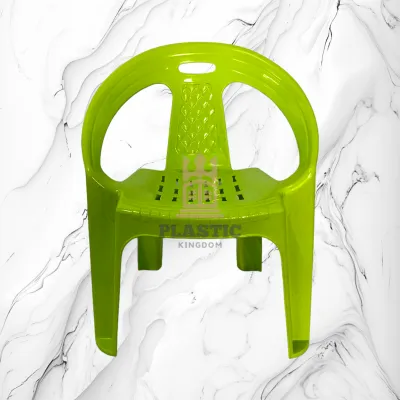
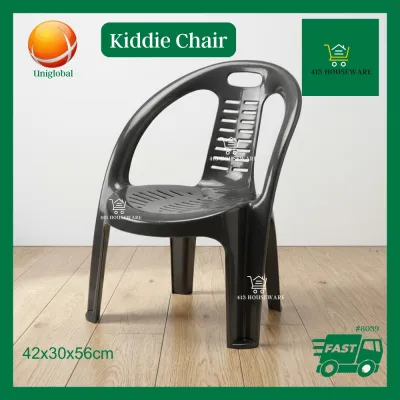

Prices are valid at publication and may change. Please refer to the product page for the latest price.
Key Features to Look for in a Kids' Study Chair
Adjustability is the cornerstone of any ergonomic children’s furniture. Because children grow at unpredictable rates, a chair must offer multiple points of customization to remain useful over several school years. Look for models that feature pneumatic or manual seat height adjustments, allowing the seat pan to move up and down easily. Additionally, an adjustable backrest depth is highly beneficial, as it ensures your child’s lower back remains supported without the seat pan pressing against the back of their knees. Adjustable footrests are also vital for younger children whose feet cannot yet reach the floor when seated at a standard-height desk.
Posture support elements are critical for preventing fatigue during prolonged sitting. A quality study chair should feature a pronounced lumbar curve that mirrors the natural shape of the human spine. This curve helps distribute upper body weight evenly and prevents slouching. The depth of the seat pan should allow your child to sit all the way back against the backrest while leaving a small gap—roughly the width of two or three fingers—between the edge of the seat and the back of their knees. This gap prevents pressure on the popliteal fossa, ensuring healthy blood circulation during study sessions.
Material selection requires careful consideration of the local environment, particularly in tropical climates like the Philippines. High humidity and warm temperatures can make synthetic materials like polyurethane leather uncomfortable, as they trap heat and sweat, leading to skin irritation and rapid material degradation. Mesh backrests are highly recommended because they promote continuous airflow, keeping the child cool. For the seat cushion, look for high-density foam covered in breathable, tightly woven fabric. Ensure the manufacturer’s care instructions indicate that the fabric is easy to spot-clean, as study areas are frequently exposed to spilled liquids, ink, and art supplies.
Mobility options must be matched to your child’s developmental stage and the flooring in your home. Chairs equipped with casters offer excellent mobility, allowing older children to transition easily between tasks. However, for younger children who are easily distracted or still developing motor control, stationary glides or gravity-locking casters are often more appropriate. Gravity-locking casters automatically lock when weight is applied to the seat, preventing the chair from rolling or sliding while the child is trying to focus on writing or reading. Ensure the caster material is compatible with your floor type, using soft polyurethane wheels for hard surfaces like tile or wood, and hard nylon wheels for carpeted areas.
Types of Study Chairs for Different Age Groups
Toddler and preschool chairs focus primarily on accessibility, basic stability, and floor-level compatibility. For children aged two to five, study activities are highly tactile and often involve floor-level play or low tables. Chairs for this age group should have a low profile, allowing the child to sit down and stand up without assistance. They are typically lightweight, enabling easy relocation, yet designed with a wide, stable base to prevent tipping during active movement. Solid wood or heavy-duty molded plastic options are common, as they are easy to wipe clean and contain no complex mechanical parts that could pinch small fingers.

Primary school chairs introduce more structured support as children transition to formal academic tasks. For students aged six to twelve, writing and reading require longer periods of quiet sitting. Chairs in this category should feature basic adjustability, particularly seat height and backrest depth, to accommodate rapid growth spurts. Integrated, height-adjustable footrests are highly beneficial during this stage, as primary school children are often paired with standard-height family desks that leave their feet dangling. A sturdy footrest provides the necessary leverage for a stable writing posture and prevents leg numbness.
Teen and high school study chairs closely resemble adult ergonomic office chairs but are scaled down to fit smaller frames. For teenagers, study demands increase significantly, requiring advanced ergonomic features to support hours of computer work and reading. Look for chairs that offer adjustable armrests, tension-controlled tilt mechanisms, and robust lumbar support. These chairs typically have higher weight capacities and larger seat dimensions to accommodate adult-like proportions. Investing in a high-quality, fully adjustable ergonomic chair during these years helps prevent the development of chronic neck and back discomfort as study habits become more intense.
Active seating alternatives, such as wobble stools or balance ball chairs, serve as excellent secondary options for children who benefit from movement. These chairs encourage micro-movements that engage core muscles and help channel excess energy, which can improve focus for children who find static sitting difficult. However, active seating should generally be used for shorter study bursts rather than as a total replacement for a primary ergonomic chair. When selecting an active seating option, ensure the height is appropriate for the desk and that the base has non-slip properties to prevent accidental falls on smooth tiled floors.
How to Measure and Match the Chair to the Desk
To ensure the chair works harmoniously with your desk, apply the 90-90-90 posture rule. This rule is the gold standard for verifying ergonomic alignment. When your child is seated, their knees should be bent at a 90-degree angle with their feet resting flat on the floor or a footrest. Their hips should also be positioned at approximately 90 degrees, with their lower back firmly supported by the backrest. Finally, when their forearms rest on the desk surface, their elbows should form a 90-degree angle. If the chair is too low, their elbows will angle upward, straining their shoulders; if the chair is too high, they will slouch forward to reach the desk.
Next, perform a thorough desk clearance check to ensure physical compatibility. Measure the distance from the floor to the underside of the desk frame or drawer unit. Compare this measurement with the height of the chair’s armrests at both their lowest and highest settings. The armrests must slide easily under the desk surface when the chair is pushed in, saving valuable floor space in small study corners. Additionally, check the clearance between the inside of the desk legs and the outer width of the chair’s base. A wide five-star base may not fit between the legs of a narrow compact desk, preventing the child from sitting close enough to work comfortably.
If you are pairing an adjustable chair with a standard, non-adjustable desk, footrest integration is essential. Standard desks are typically designed for adults, with a fixed height of approximately 75 centimeters. To achieve the correct elbow angle for a younger child, you will need to raise the chair seat significantly. This adjustment will inevitably leave the child’s feet suspended in the air, which strains the thighs and lower back. To correct this, use a chair with an integrated footring or place a sturdy, adjustable footrest on the floor to support their feet and maintain the 90-90-90 posture.
Finally, measure the physical footprint of the chair’s base to ensure it fits the allocated study corner space. Take into account the turning radius of a swivel chair and the space required to pull the chair back when standing up. If the study corner is located in a high-traffic hallway or a small bedroom, a chair with a compact base or folding armrests may be necessary to prevent obstruction. Always measure the doorways and stairwells leading to the study room to ensure the fully assembled chair can be delivered and positioned without difficulty.
Safety, Stability, and Maintenance Checks
Before finalizing any purchase, verify the chair’s weight capacity by checking the manufacturer’s specification label. Do not rely on generic age recommendations, as children’s weights vary widely. The structural limits of the frame, gas lift cylinder, and base must safely accommodate your child’s current weight with room for growth. Choosing a chair with an inadequate weight rating can lead to premature mechanical failure, sudden sinking of the seat, or structural breakage that could cause injury.
Stability is paramount to prevent tip-over accidents, especially with active children. A five-point star base is highly recommended for rolling chairs, as it provides significantly better stability and resistance to tipping in all directions compared to a four-point base. For stationary chairs, look for a wide leg stance and non-slip rubber feet. Test the chair’s balance by applying downward pressure on the front edge of the seat; a stable chair should not tilt forward or lift its rear legs under reasonable pressure.
Inspect the chair thoroughly for potential physical hazards before allowing your child to use it. Look for pinch points around the adjustment levers, exposed gas lift cylinders, and folding joints where small fingers could get caught. Ensure all plastic caps, adjustment knobs, and decorative elements are securely fastened and cannot be easily detached, as these can pose choking hazards for younger siblings. The edges of the seat pan, backrest, and armrests should be rounded and smooth, with no sharp plastic flashing or exposed metal screws.
Establish a routine maintenance schedule to ensure long-term safety and performance. High humidity can accelerate the loosening of metal fasteners and cause squeaking in mechanical joints. Every three to six months, inspect all connection points and tighten any loose screws or bolts using the appropriate tools. Clean the casters regularly by removing accumulated hair, dust, and floor debris, which can cause the wheels to stick and scratch your flooring. If the chair features a pneumatic gas lift, check that it holds its height consistently without slowly sinking over time.
Building a Complete and Comfortable Study Corner
An ergonomic chair is most effective when integrated into a well-planned study corner. Proper lighting alignment is essential to reduce eye strain and prevent your child from leaning forward to see their work. Position the desk perpendicular to windows to maximize natural light while minimizing direct glare on computer screens or paper. Supplement this with an adjustable desk lamp placed on the opposite side of your child’s writing hand to prevent shadows from falling across their work area.
Organize desk accessories to support natural spinal alignment. Keep frequently used items, such as textbooks, notebooks, and writing utensils, within easy arm’s reach to prevent repetitive twisting or stretching. If your child uses a computer or tablet for schoolwork, use a monitor stand or tablet holder to elevate the screen to eye level. This prevents the child from tilting their head downward, which puts immense strain on the neck muscles and can lead to a persistent forward-head posture.
Remember that even the most advanced ergonomic chair cannot replace the benefits of movement. Encourage your child to take regular posture breaks to stretch and walk around. A simple routine, such as standing up for five minutes for every thirty minutes of focused study, helps maintain healthy circulation, relieves muscle tension, and refreshes mental focus. By combining a highly adjustable chair with smart organization and healthy movement habits, you create a supportive environment where your child can thrive academically.
Frequently Asked Questions (FAQ)
How often should I replace my child's study chair?
Children grow at highly variable rates, meaning their seating needs will change over time. You should evaluate the fit of the chair at the start of every school year. Physical signs that a chair has been outgrown include your child’s knees rising significantly higher than their hips when their feet are flat, or their shoulders extending far past the top of the backrest. Additionally, inspect the chair for structural wear, such as a sinking gas lift cylinder, cracked plastic components, or compressed seat cushioning that no longer provides adequate support. If your child’s study habits shift—such as transitioning from handwriting to heavy computer use—you may need to upgrade to a chair with more advanced ergonomic features.
Are gaming chairs suitable for kids' study setups?
While gaming chairs are popular due to their colorful designs, they are not always ideal for academic study setups. Many gaming chairs feature a bucket-seat design inspired by race cars, which curves inward at the shoulders and thighs. This design can restrict movement and force a child’s shoulders forward, which is counterproductive for writing and reading tasks that require an upright, open chest posture. Additionally, gaming chairs are often designed for adult proportions, meaning the built-in lumbar support and headrests will not align correctly with a child’s smaller frame. Finally, the heavy synthetic leather upholstery common in gaming chairs can trap heat, making them uncomfortable during long study sessions in warm, humid environments.
What is the best material for a study chair in a humid climate?
In tropical environments with high humidity, mesh is highly recommended for the backrest of a study chair. Mesh allows for continuous airflow, which helps dissipate body heat and prevents sweat buildup, keeping your child cool and comfortable. For the seat cushion, a high-density foam wrapped in a breathable, tightly woven fabric is preferable to synthetic leather, which can stick to the skin and peel over time. While mesh and treated fabrics are excellent for comfort, you should check the manufacturer’s care instructions and verify if the fabric has been treated for moisture resistance. Do not assume a material is inherently mold-resistant without verifying its specific finish and weave density. For younger children, look for removable, washable fabric covers to simplify cleaning.

Community discussion
Share your experience or ask a question. Comments are reviewed before publication.