
A modern Filipino living room balances the warmth of indigenous textures with the clean lines of contemporary design. Selecting the right Kimdelin table for this space requires more than just matching colors; it involves evaluating how materials, silhouettes, and proportions interact with your daily lifestyle and the tropical environment. This guide outlines the essential design criteria and practical verification steps to help you choose a table that anchors your seating area while honoring the modern Filipino aesthetic.
In the Philippines, the living room serves as the social heart of the home, hosting family gatherings, casual visits, and quiet afternoons. The furniture in this space must withstand high humidity and temperature fluctuations while maintaining its structural integrity and visual appeal. A central table often acts as the anchor for this environment, tying together seating arrangements and providing a functional surface for daily activities.
When integrating a contemporary piece like a Kimdelin table into a modern Filipino setting, the goal is to create a harmonious dialogue between global design trends and local architectural sensibilities. This means looking beyond basic utility to examine how a table’s form, finish, and construction complement open-plan layouts, natural ventilation, and the rich textures of local decor. By focusing on thoughtful selection criteria, you can find a piece that feels both fresh and deeply rooted in the local lifestyle.
Products mentioned in this guide
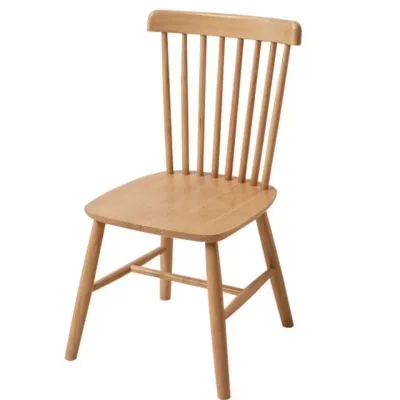
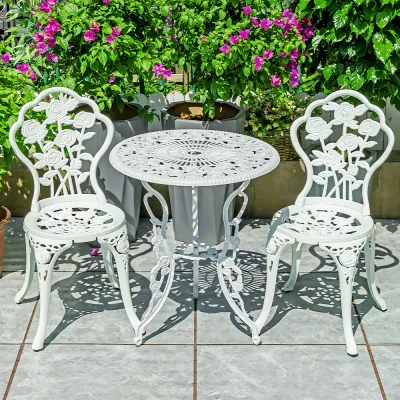
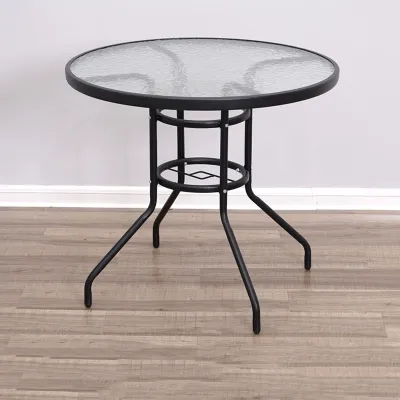
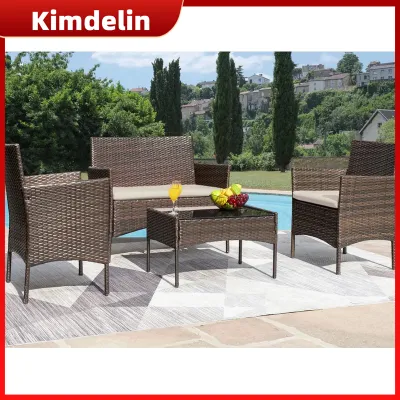
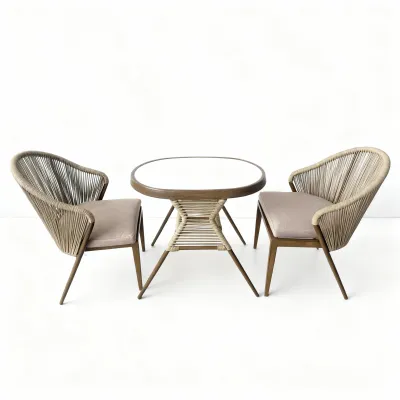
Prices are valid at publication and may change. Please refer to the product page for the latest price.
Defining the Modern Filipino Aesthetic for Living Rooms
The modern Filipino aesthetic has evolved from traditional, heavy Spanish-colonial influences and rustic bahay kubo elements into a sophisticated, minimalist style. Today’s homes prioritize light, airiness, and a seamless connection between indoor and outdoor spaces. This design philosophy embraces clean lines, open layouts, and a curated selection of furniture that allows natural light and tropical breezes to circulate freely throughout the room.
At the core of this aesthetic is the thoughtful juxtaposition of organic textures and sleek, contemporary forms. Designers frequently pair smooth concrete, matte metal, or glass with tactile materials such as woven rattan, split bamboo, and rich local hardwoods. This contrast prevents modern spaces from feeling cold or sterile, infusing them with the natural warmth, character, and historical resonance of traditional craftsmanship.
Color palettes in modern Filipino interiors draw inspiration from the archipelago’s natural landscape. Soft sands, warm terracottas, muted forest greens, and deep wood tones dominate the visual field, accented by crisp whites or charcoal grays to define the space. These earthy hues reflect the outdoor environment, creating a soothing, cohesive backdrop that enhances the sense of spaciousness and tranquility in urban condos and suburban homes alike.
Within this layout, the center or accent table plays a pivotal role in defining the functional zones of the living room. Rather than acting as a bulky barrier, a well-chosen table anchors the sofa arrangement while preserving the room’s physical and visual flow. It must offer sufficient surface area for hospitality—such as serving refreshments to guests—without obstructing pathways or blocking the low-level airflow essential for keeping tropical living spaces comfortable.
Key Kimdelin Table Design Features to Look For
When evaluating a Kimdelin table for a modern Filipino home, the choice of materials is the first critical factor to consider. Look for designs that feature a thoughtful mix of textures, such as a solid wood tabletop paired with a matte metal frame or a woven base. This combination of materials bridges the gap between industrial modernism and organic warmth, allowing the table to coordinate effortlessly with both contemporary electronics and hand-woven local baskets or rugs.

The structural silhouette of the table should lean toward simplicity and grace rather than heavy ornamentation. Traditional Filipino furniture often features intricate, deep carvings that, while beautiful, can overwhelm a modern, minimalist space and trap dust in humid environments. Prioritize Kimdelin tables with streamlined profiles, tapered legs, or soft, organic curves that mimic natural forms and maintain a light visual footprint.
Low-profile designs are particularly well-suited to the relaxed, close-to-the-ground seating arrangements favored in tropical living rooms. A table that sits slightly lower than standard Western models aligns beautifully with low-slung modular sofas and floor cushions, encouraging an informal, welcoming atmosphere. This lower height also helps keep sightlines open across the room, making smaller urban living spaces feel significantly larger and more connected.
Surface finishes require careful inspection to ensure they align with the organic feel of the modern Filipino style. Seek out matte, satin, or lightly stained finishes that preserve and highlight the natural variation of the wood grain rather than thick, high-gloss synthetic lacquers. A natural finish not only feels more authentic and tactile underhand but also ages gracefully, developing a unique character over time that complements the lived-in warmth of a family home.
Additionally, examine the joinery and underside construction of the table to verify its stability and build quality. In tropical climates where wood naturally expands and contracts with seasonal humidity shifts, robust construction techniques are essential. Look for tables with reinforced joints and flexible mounting hardware that accommodate this natural movement, preventing warping or splitting over years of daily use.
Matching Table Styles to Your Living Room Layout
The layout of your living room dictates the ideal shape and size of your Kimdelin table, ensuring that the piece enhances daily activities rather than creating physical bottlenecks. For spacious, open-plan living areas featuring large modular sofas, a generous rectangular or oval coffee table serves as an excellent centerpiece. This shape provides ample reach from all seating positions while leaving clear pathways on either side for family members to move around comfortably.
In homes where space is at a premium, such as modern high-rise condominiums in busy metropolitan areas, nesting coffee tables offer exceptional versatility. These multi-tiered designs can be clustered together to save floor space during daily routines, then separated and spread out when hosting guests to provide extra surfaces for drinks and snacks. This adaptability is key to maintaining an uncluttered, breathable environment in compact urban layouts.
For narrow living rooms or transitional zones, a sleek console table placed against a wall or behind a floating sofa adds valuable surface area without encroaching on central walkways. These narrow pieces can display local pottery, indoor plants, or table lamps, drawing the eye upward and adding layers of depth to the room’s design. When selecting a console table, verify that its depth allows for comfortable passage, particularly in high-traffic corridors.
Side tables are equally important for rounding out a seating arrangement, especially when placed next to deep armchairs or at the ends of a sofa. Choosing a Kimdelin side table with a light, open frame—such as a tripod base or a slender metal structure—keeps the floor area looking clear and spacious. These smaller pieces can easily be repositioned as needed, offering a flexible solution for holding reading materials, cups, or decorative accents.
Multi-functional tables featuring integrated storage or lift-top mechanisms are highly practical choices for modern Filipino households that balance work-from-home demands with leisure. A lift-top coffee table can transition seamlessly from a low-profile living room anchor to a comfortable temporary desk or dining surface. This dual-purpose functionality helps eliminate the need for extra bulky furniture, preserving the clean lines and open feel of the modern aesthetic.
Pre-Purchase Checklist and Space Verification
Before finalizing your purchase, conducting a thorough physical assessment of your living room is essential to avoid layout mistakes. Begin by measuring the exact footprint of your seating area, noting the length of your sofa and the boundaries of any area rugs. Ideally, a central coffee table should measure between one-half and two-thirds the length of your sofa to maintain balanced visual proportions.
Clearance space is another critical metric that directly impacts the comfort and flow of your living room. Ensure there is a minimum of 18 inches (approximately 45 centimeters) of space between the edge of the table and the front of your sofa. This distance provides comfortable legroom for sitting and standing while keeping the table close enough to easily reach items placed on its surface.
Do not overlook the logistical path your new table must travel from the delivery vehicle to its final position in your home. Measure the height and width of all entryways, hallway corners, stairwells, and elevator doors to confirm the packaged table can pass through safely. If you live in a multi-story building or a condominium complex, check the building’s service elevator dimensions and delivery policies beforehand to prevent unexpected delivery day complications.
Finally, review the manufacturer’s care instructions to ensure the table’s materials are compatible with your home’s microclimate. In regions with high humidity or coastal salt air, natural wood and woven components require specific maintenance routines to prevent mold growth or finish degradation. Confirm whether the table has been pre-treated with moisture-resistant sealants, and identify the approved cleaning agents and tools recommended for routine dusting and spill cleanup.
Frequently Asked Questions (FAQ)
How do I protect natural wood or woven Kimdelin tables from high humidity?
To protect natural wood or woven tables from the challenges of a tropical climate, prioritize consistent cross-ventilation in your living room to prevent stagnant, moisture-laden air from settling on the furniture. Avoid placing the table in direct, prolonged sunlight, which can dry out wood fibers and cause fading, or directly under the cold draft of an air conditioner, which can lead to rapid temperature shifts and warping. Always consult the product manual or manufacturer labels for specific recommendations regarding humidity thresholds and approved cleaning products. For routine care, use a dry or slightly damp microfiber cloth to wipe away dust, and avoid harsh chemical cleaners that can strip away protective finishes. If you notice signs of persistent moisture damage, deep cracking, or finish wear, contact the manufacturer or a professional furniture restorer for specialized conditioning advice rather than attempting unverified DIY treatments.
Can I mix a modern Kimdelin table with traditional Filipino heirloom furniture?
Yes, blending a modern Kimdelin table with traditional Filipino heirloom furniture creates a rich, layered look that celebrates both heritage and contemporary design. To achieve a cohesive balance, focus on finding a common design element, such as matching the warm undertones of the wood finishes or coordinating the color palette of your upholstery and accessories. You can also use contrasting textures to bridge the eras, pairing a sleek, minimalist modern table with a highly detailed, hand-carved antique chair. Ensure that you balance the visual weight of the pieces across the room so that neither style dominates; for instance, place a light, open-framed modern table near a heavy, solid wood heirloom cabinet to keep the overall space feeling balanced and airy.
Community discussion
Share your experience or ask a question. Comments are reviewed before publication.