
Finding the right kitchen pantry storage cabinet for a Filipino home requires balancing space efficiency, structural durability, and smart organization. In many Philippine households, the kitchen is a high-traffic hub where bulk ingredients, heavy cooking equipment, and daily essentials must coexist. A well-chosen pantry cabinet not only maximizes your storage capacity but also protects your food supplies from tropical humidity and pests. To make an informed purchase, you must evaluate how a cabinet’s physical dimensions, material composition, and internal layout align with your specific household needs and kitchen environment.
Assessing Your Kitchen Space and Layout Needs
Start your selection process by taking precise measurements of your designated kitchen area. Use a reliable metal tape measure to record the width, depth, and height of the space. Do not rely on visual estimates, as even a minor discrepancy can prevent a cabinet from fitting. Remember to measure from the baseboards rather than the bare wall, as baseboards can reduce the available floor width by a few centimeters. Additionally, check if your kitchen floor is level; tiled floors with drainage slopes can cause tall cabinets to tilt, requiring shims or adjustable leveling feet to stabilize.
Consider vertical clearance carefully before making a decision. If your kitchen has low-hanging beams, light fixtures, or ceiling fans, ensure the cabinet’s height allows for safe installation and daily use. Leaving at least a few centimeters of clearance at the top of the cabinet makes positioning the unit much easier during assembly. This gap also prevents the cabinet from scraping against the ceiling during installation, which can damage both your ceiling paint and the cabinet’s top edges.
Products mentioned in this guide
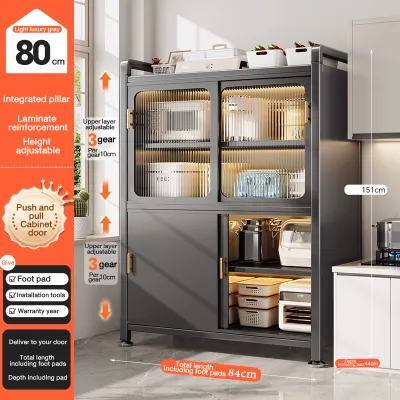
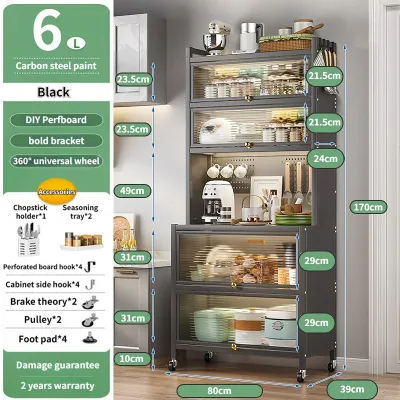
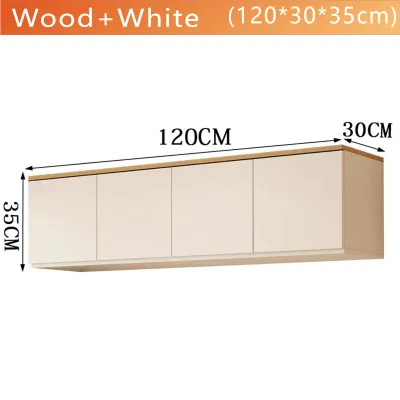
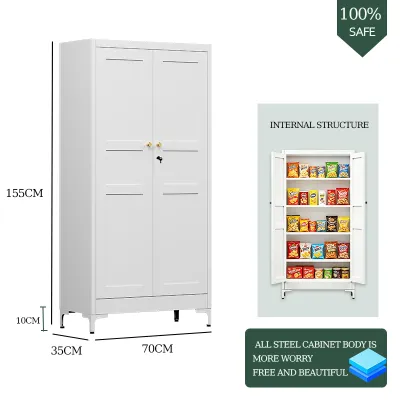
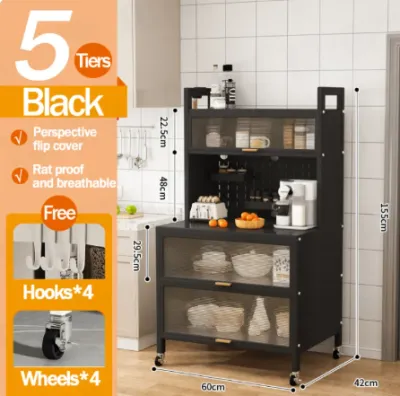
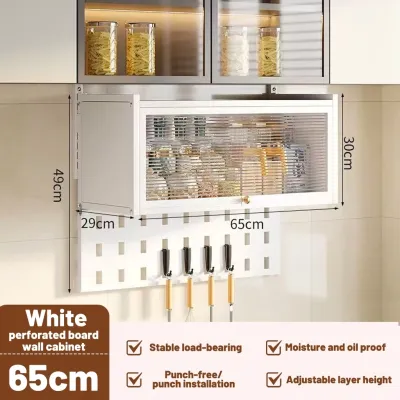
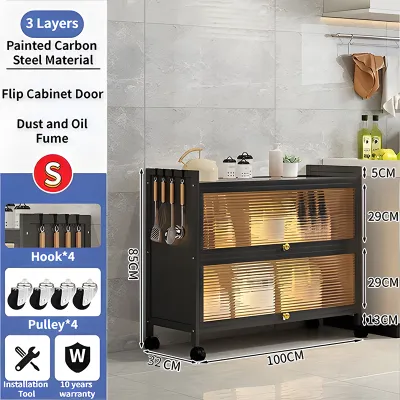
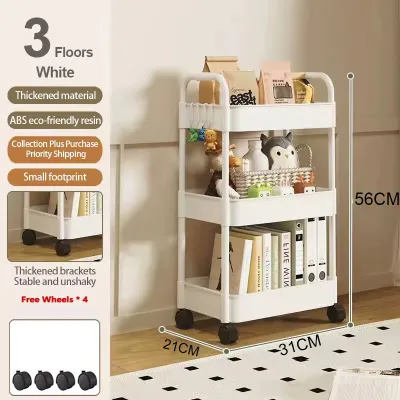
Prices are valid at publication and may change. Please refer to the product page for the latest price.
Account for door and drawer swing space to maintain a functional kitchen layout. A cabinet might fit perfectly when closed, but opening its doors or pulling out its drawers could block a walkway or collide with other furniture. Measure the clearance in front of the cabinet to ensure doors can swing open to their full angle without hitting your refrigerator, dining table, or kitchen island. If your kitchen is a high-traffic zone where multiple family members cook simultaneously, ensuring adequate clearance prevents accidental collisions.
Map out the delivery route from your property entrance to the kitchen. Before finalizing your choice, measure the width and height of all entryways, hallways, stairwells, and elevator doors that the delivery team must navigate. A tall, pre-assembled pantry cabinet can easily get stuck in tight stairwell turns or fail to fit inside a standard condominium elevator, leading to costly return fees. If you live in a multi-story home, pay close attention to low ceilings over staircases and tight landing corners.
Analyze kitchen traffic flow to ensure safety and convenience. Avoid placing a large pantry cabinet directly in the primary cooking zone, often referred to as the work triangle between the stove, sink, and refrigerator. Positioning the cabinet slightly outside this high-activity area ensures that family members can access snacks or ingredients without disrupting the person preparing meals. A well-placed cabinet acts as an efficient storage hub without creating bottlenecks during busy meal preparation times.
Key Features to Look for in a Pantry Cabinet
Prioritize adjustable shelving over fixed compartments to maximize storage flexibility. Filipino cooking involves a diverse array of container sizes, from tall bottles of soy sauce and vinegar to bulky sacks of rice and small spice jars. Adjustable shelves allow you to customize the vertical spacing, preventing wasted air space and accommodating taller items without forcing you to store them horizontally. Look for cabinets with multiple pre-drilled peg holes spaced closely together, which gives you the finest control over shelf heights.

Evaluate the door mechanisms based on your room’s layout and available clearance. Hinged doors are traditional and offer full access to the cabinet interior, but they require significant clearance space to open. If your kitchen has a narrow galley layout, consider sliding doors or open shelving units that do not project outward into the walkway. Alternatively, pull-out pantry drawers behind a single door can provide excellent visibility and access without requiring wide door swings. Magnetic door catches are also highly beneficial, as they keep doors tightly shut to prevent dust and common household pests from entering.
Examine the manufacturer’s weight capacity specifications before purchasing. Pantry items can be surprisingly heavy, especially when you store bulk grains, canned goods, or small kitchen appliances like blenders and air fryers. Look for cabinets that explicitly state the maximum load capacity per shelf. Avoid overloading shelves beyond these rated limits, as sagging can permanently damage the structure and compromise safety. Metal shelf support pegs are generally more durable and less prone to shearing under heavy loads than plastic alternatives.
Look for sturdy back panels to ensure long-term stability. Many budget-friendly cabinets use thin, flimsy backing material that can easily bow or pull away from the frame over time. A thick, securely fastened back panel adds essential structural rigidity, keeping the cabinet square and preventing it from wobbling when loaded with heavy items. If the cabinet is tall and narrow, a solid back panel also provides a secure anchoring point for wall-safety straps, which prevent accidental tip-overs.
Material and Durability Checks for Tropical Climates
Inspect the quality of the edge banding and surface seals on all panels. In the humid tropical climate of the Philippines, moisture in the air can easily penetrate unsealed engineered wood, such as particle board or medium-density fiberboard (MDF). This moisture absorption causes the wood fibers to swell, warp, and eventually crumble. Ensure all edges, including the less visible back and bottom edges, are completely sealed with high-quality PVC or ABS edge banding. Melamine or high-pressure laminate finishes generally offer better moisture resistance than paper foil laminates, making them easier to clean and maintain.
Verify the durability and material of the hardware. High humidity and exposure to kitchen grease can quickly cause low-grade metal hinges and drawer slides to rust or bind. Look for cabinets equipped with rust-resistant hardware, such as stainless steel or powder-coated steel components. Smooth-gliding drawer runners, particularly those with ball-bearing mechanisms, ensure long-term usability and prevent drawers from sticking. Soft-close hinges are also a valuable feature, as they reduce the physical impact on the cabinet frame when doors are closed quickly.
Review the manufacturer’s care and maintenance instructions to ensure the cabinet’s longevity. Different materials require specific cleaning routines to preserve their finish. For instance, laminated surfaces should be wiped down with a damp cloth and dried immediately, while solid wood components may require periodic conditioning. Avoid using harsh chemical cleaners or abrasive scrubbing pads, which can scratch the protective surface seal and expose the underlying material to moisture. Understanding these requirements beforehand helps you choose a material that fits your willingness to perform regular maintenance.
Evaluating Storage Configurations and Accessibility
Plan dedicated storage zones based on your household’s inventory and cooking habits. Grouping similar items together makes it easier to track your stock and prevents duplicate purchases. Dedicate the most accessible middle shelves for daily essentials like spices, condiments, and frequently used ingredients. Keep less frequently used items, such as seasonal baking supplies or extra tableware, on the highest shelves. For Filipino households, creating a dedicated zone for canned goods (like sardines and corned beef) and instant noodles helps keep quick-meal options organized and visible.
Incorporate specialized accessibility features to keep your pantry organized. Deep pantry cabinets can easily become cluttered, with older canned goods or packages getting pushed to the back and forgotten. Utilizing pull-out wire baskets, internal drawers, or lazy Susans in corner cabinets ensures that every item remains visible and within reach, reducing food waste and saving time during meal preparation. Wire baskets are particularly useful for storing onions, garlic, and potatoes, as they allow for proper ventilation and prevent premature spoilage.
Maintain proper weight distribution to ensure the cabinet’s stability. Always store your heaviest items, such as large containers of rice, gallons of cooking oil, and heavy cast-iron cookware, on the bottom shelves. Keeping the heaviest loads at the base lowers the cabinet’s center of gravity, significantly reducing the risk of the unit tipping forward when doors are opened or when items are retrieved. If you use a large rice dispenser, place it on the lowest shelf or in a dedicated bottom compartment designed to handle concentrated weight.
Pre-Purchase Checklist and Delivery Considerations
Perform a final dimension cross-reference before placing your order. Compare your kitchen measurements with the product’s exact external dimensions. Double-check that you have accounted for any protruding hardware, decorative molding, or baseboard gaps that might affect the fit in your designated space. It is also wise to verify the packaged dimensions of the product, as flat-pack boxes can be incredibly long and heavy, requiring two people to lift and transport safely.
Confirm the assembly requirements and tools needed for installation. Many modern pantry cabinets are delivered flat-packed to save on shipping costs. Check if the package includes all necessary assembly hardware and clear instructions. If you are not comfortable with DIY assembly, verify if the retailer offers professional assembly services and whether there are additional fees associated with this service. Additionally, check if the cabinet includes wall-anchoring hardware, which is essential for securing tall units to concrete or drywall surfaces to prevent tipping.
Understand the warranty and return policies of the manufacturer or retailer. A reliable manufacturer’s warranty provides peace of mind against structural defects or premature hardware failure. Read the terms carefully to know what is covered and for how long. Additionally, familiarize yourself with the retailer’s return policy, especially regarding items that are damaged during transit or arrive with missing parts. Knowing the return window and the process for claiming replacements prevents unnecessary stress if an issue arises.
Establish a thorough inspection procedure upon delivery. When your cabinet arrives, do not sign the delivery receipt immediately. Take a few minutes to inspect the packaging for any punctures, tears, or crushed corners. Open the box and check the individual panels and hardware packs for any visible damage or missing components, ensuring any issues are documented and reported to the carrier right away. Taking photos of any damaged packaging before opening it can serve as valuable evidence when filing a return or exchange claim.
Frequently Asked Questions (FAQ)
How do I prevent moisture damage inside a freestanding pantry?
To protect your pantry cabinet from moisture damage, always leave a gap of at least 2 to 5 centimeters between the back of the cabinet and the wall. This gap promotes continuous air circulation, preventing humid air from becoming trapped and causing mold or wood swelling. Additionally, place commercial moisture-absorbing sachets or silica gel packs on the shelves, especially in closed compartments, and replace them regularly according to the manufacturer’s instructions.
Can I place heavy kitchen appliances on top of a pantry cabinet?
You should avoid placing heavy kitchen appliances, such as microwave ovens, ovens, or heavy mixers, on top of a pantry cabinet unless the manufacturer’s specifications explicitly state that the top surface is rated for that weight. Most standard pantry cabinets are designed with lightweight top panels that can sag or warp under concentrated loads. Placing heavy items on an unrated top surface can compromise the cabinet’s overall structural integrity and create a serious safety hazard.
Community discussion
Share your experience or ask a question. Comments are reviewed before publication.