
A 20 square meter (sqm) living room requires careful spatial planning to balance comfort, style, and daily movement. When introducing a lazy sofa into a compact layout, choosing the right size and style is key to preventing a cramped, disorganized environment. A compact to medium-sized lazy sofa with a footprint of roughly 70 to 90 centimeters in both width and depth offers the ideal balance, providing a cozy personal retreat without overwhelming your primary seating area.
By focusing on low-profile designs, lightweight materials, and moisture-resistant fills, you can enjoy the casual comfort of a floor lounger while preserving valuable floor space. Selecting the perfect model involves evaluating your room’s actual layout, understanding how different shapes behave, and choosing materials that withstand tropical humidity.
Assessing Usable Space in a 20 sqm Living Room
In a typical condo, a 20 sqm living area is rarely a single-purpose space. It often serves as a multi-functional hub that accommodates an entertainment console, a main sofa, a dining set, and perhaps a small workspace. To determine the actual space available for a lazy sofa, you must first calculate the remaining floor area after these essential pieces are positioned. Subtracting the footprints of your primary furniture reveals the true “free space” where an accent piece can comfortably sit.
Products mentioned in this guide
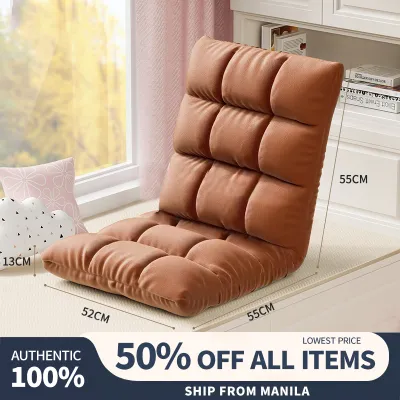
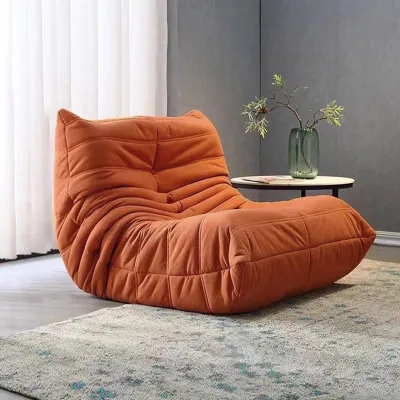
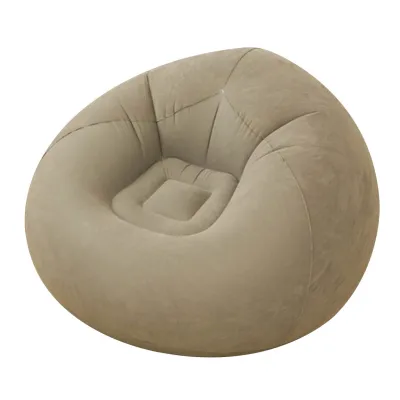


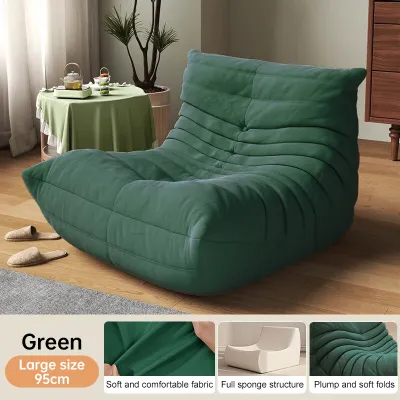
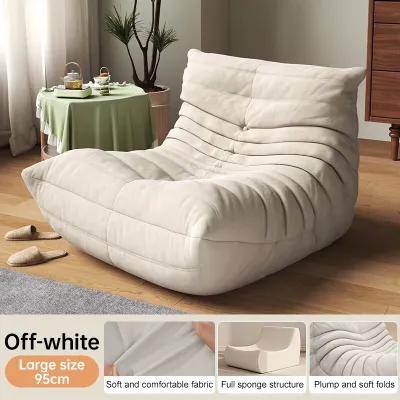

Prices are valid at publication and may change. Please refer to the product page for the latest price.
Maintaining clear walkways is essential for daily comfort and safety in a small home. As a general rule, ensure there is a minimum clearance of 60 to 80 centimeters along primary walking paths, such as the route from the entryway to the balcony or the kitchen to the seating area. A lazy sofa should never force you to step sideways or squeeze past other furniture to navigate your own home.
Visual weight is another crucial factor in small-space design. Low-profile furniture keeps sightlines open, allowing natural light from windows to reach deeper into the room. A lazy sofa that sits low to the ground creates an open, airy atmosphere, making a compact condo feel significantly larger than its physical dimensions suggest.
Before committing to a specific spot, inspect the surrounding environment for practical constraints. Check the locations of wall outlets to ensure you do not block access to power sources needed for chargers or lamps. Additionally, pay attention to the swing path of balcony doors, kitchen cabinets, and the direct airflow from your air conditioning unit to ensure your lounging spot remains practical and comfortable.
Proportional Dimensions for a 20 sqm Condo
Scale is the defining factor when integrating a lazy sofa into a 20 sqm living room. While oversized, deep-set loungers look incredibly comfortable in large retail showrooms, they can quickly swallow a small room’s footprint. For a balanced look, look for bases that measure between 70 and 90 centimeters in width and depth. This size provides ample room for an adult to lounge comfortably while keeping the overall footprint well under one square meter.

The height of the sofa also plays a significant role in how it alters the perception of space. Opting for low-back or backless designs helps keep the vertical plane open, making your condo’s ceilings appear higher. High-backed, bulky loungers can act as visual barriers, slicing the room into smaller, disjointed sections and making the overall layout feel restricted.
Weight and portability are highly practical considerations for high-density living. A lightweight lazy sofa can be easily picked up, dragged, or repositioned depending on your immediate needs. This flexibility is invaluable when you need to clear the floor for cleaning, rearrange the layout for movie nights, or create extra standing room when hosting friends.
Before making a purchase, always verify the logistics of getting the sofa into your home. Create a measurement checklist that includes your condo building’s elevator door width, hallway corners, and your front door frame. Because many high-quality lazy sofas are shipped pre-filled and cannot be disassembled, ensuring they can clear these tight transitions is a vital step to avoid delivery day headaches.
Choosing the Right Shape for Your Lounging Needs
The shape of your lazy sofa dictates how it interacts with both your body and your living room’s geometry. Different designs cater to distinct relaxation habits, from casual reading to afternoon naps.
Teardrop and Round Bean Bags
Classic teardrop and round bean bags are highly adaptable because they lack a rigid internal frame. When you sit, the filling shifts to conform to your body shape, providing customized support for your back and neck. This organic flexibility makes them exceptionally easy to tuck into empty corners or slide under a tall console table when not in use.
Because they have soft, rounded borders, these bean bags can squeeze into irregular nooks and tight spaces without blocking walkways with sharp, unyielding edges. They are ideal for dynamic layouts where furniture needs to be moved around frequently to accommodate different activities.
Structured Floor Sofas with Backrests
Structured floor sofas feature built-in foam frames or defined, molded edges that offer reliable, consistent lumbar support. Unlike classic bean bags, they maintain their upright, clean profile even when nobody is sitting on them, giving your living room a neat, organized appearance.
These structured shapes are particularly easy to align flush against walls, under low windows, or directly adjacent to a main three-seater couch. By fitting neatly into the room’s existing grid, they maximize central floor space and provide a more formal aesthetic that complements modern, minimalist interior designs.
Modular or Foldable Lazy Sofas
For ultimate versatility, modular or foldable lazy sofas offer multi-functional performance. These designs can be adjusted, flattened, or folded to transition from a supportive floor chair into a flat lounger or a temporary sleeping mat for guests.
While they excel at reclaiming floor space for activities like yoga or home workouts, they do require manual adjustment and tend to have a slightly firmer feel due to the internal folding mechanisms. The trade-off lies in choosing between the plush, sinking comfort of a bean bag and the practical, space-saving utility of a convertible floor frame.
Fill Materials: Balancing Comfort and Shape Retention
The interior filling of your lazy sofa determines its longevity, support level, and how well it maintains its shape over years of daily use.
- EPS (Expanded Polystyrene) Beads: These tiny, lightweight plastic beads are highly affordable and make the sofa incredibly easy to move around. However, EPS beads naturally compress under body weight over time. To maintain the sofa's original volume and comfort, you will need to occasionally purchase refill beads and top up the inner liner.
- Memory Foam Shreds: Shredded memory foam offers a denser, contouring sit that conforms to your body while retaining its shape far better than standard beads. While memory foam rarely requires refilling, it is significantly heavier and bulkier, making the sofa less portable and slightly harder to move during cleaning.
- Microbeads: Often found in premium, compact Japanese-style floor cushions, microbeads are extremely tiny and fluid. They shift silently and smoothly with your body's movements, providing a uniform, supportive feel. This material keeps the sofa's overall profile compact and neat, making it excellent for tight spaces.
- Cover Considerations: In the tropical, humid climate of the Philippines, selecting the right cover material is essential for comfort and hygiene. Look for highly breathable fabrics, such as cotton-linen blends or moisture-wicking performance polyester. Always check the manufacturer's care label to ensure the outer cover is fully removable and machine-washable. This design feature prevents sweat buildup, musty odors, and mold growth, ensuring your lounging area stays clean and fresh.
Common Sizing and Placement Mistakes to Avoid
Even a beautifully designed lazy sofa can become a daily nuisance if placed carelessly in a 20 sqm living room.
One of the most common mistakes is blocking high-traffic pathways or emergency exits. Avoid placing your seating directly in front of balcony sliding doors, main walkways, or access panels for utility closets. Keeping these areas clear ensures a smooth flow of movement and maintains a safe home environment.
Another frequent error is falling for oversized “gamer” pods or extra-large double bean bags. While these massive loungers look incredibly inviting, they can easily consume a third of your usable floor area, leaving the rest of your living room feeling cramped, dark, and cluttered. Stick to compact dimensions to preserve the room’s visual balance.
Do not ignore the delivery route when purchasing pre-filled models. Unlike flat-packed furniture, a large, pre-stuffed lazy sofa cannot be disassembled to fit through tight spaces. Always measure your condo building’s elevator height, narrow corridor corners, and your front door frame before ordering to prevent a frustrating return process at the lobby.
Finally, avoid placing your lazy sofa directly under strong, direct air conditioning vents or in spots that receive prolonged, intense afternoon sunlight. Exposure to continuous cold drafts can make lounging uncomfortable, while harsh UV rays can degrade synthetic fills, fade fabric covers, and weaken the seams over time.
Frequently Asked Questions (FAQ)
Can I use a lazy sofa as my main seating in a 20 sqm living room?
While a lazy sofa is highly comfortable for personal relaxation, using it as your primary seating can be impractical if you frequently host guests or prefer an upright posture. Traditional structured sofas provide better support for formal conversations, dining, and working on a laptop. A lazy sofa works best as a complementary accent piece that sits alongside a compact main couch, offering a dedicated spot for casual lounging without replacing the utility of standard seating.
How do I clean and maintain a lazy sofa in a humid climate?
To manage tropical humidity, always choose a lazy sofa with a removable, machine-washable outer cover and a water-resistant inner liner. Regularly unzip and wash the outer cover to remove sweat and dust. To prevent mold, mildew, and musty odors, occasionally place the inner liner in a well-ventilated room with a dehumidifier or air conditioner running, or air it out in a shaded, breezy outdoor area away from direct sunlight.
Do lazy sofas damage condo flooring?
Most lazy sofas are safe for common condo flooring materials, such as ceramic tiles, laminate, vinyl planks, or engineered wood, because they do not have sharp metal or wooden legs. However, you should regularly inspect the bottom of the sofa for exposed metal zippers or hard plastic seams that could scrape the floor. Additionally, sweep or vacuum underneath the sofa frequently, as trapped dust and grit can act like sandpaper when the heavy bag is dragged across the floor.
Community discussion
Share your experience or ask a question. Comments are reviewed before publication.