
Selecting the right local timber for furniture in the Philippines requires balancing aesthetic preferences with the realities of a tropical climate. High-quality choices like Narra, Philippine Mahogany, and Mango wood offer distinct advantages in density, grain patterns, and workability, but their long-term performance depends heavily on proper seasoning and treatment. To make an informed investment, you must look beyond the species name and evaluate how the wood was dried, treated, and constructed to suit your specific indoor or outdoor living spaces.
Understanding Local Timber Characteristics for Furniture
Wood density directly influences the weight, strength, and overall durability of your furniture. Hardwoods with high density generally resist dents and structural sagging under heavy loads, making them ideal for dining tables, bed frames, and structural supports. Softer or medium-density timbers are lighter and easier to carve, which suits detailed cabinetry, decorative panels, and wall-mounted shelving.
Grain patterns and natural color variations define the visual character of local timber. Some species display tight, interlocking grains with deep reddish-brown hues, while others feature wavy, open pores and pale golden tones that darken over time. These natural variations mean no two solid wood pieces are identical, allowing you to select a timber that complements your interior design style.
Products mentioned in this guide
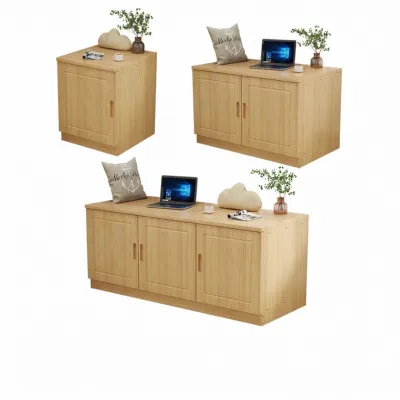
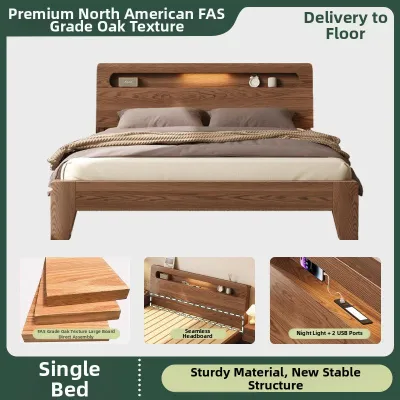
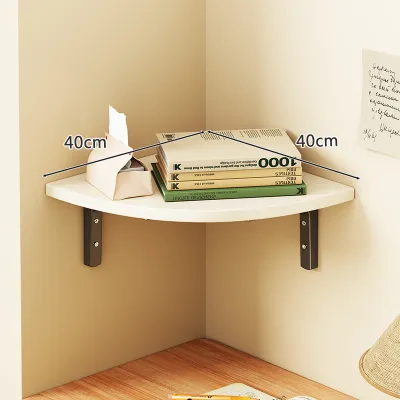
90 Lazada user ratings
The product is really great, has no smell, and is very sturdy. I had a fantastic shopping experience and highly recommend it!
The product is really great, has no smell, and is very sturdy. A fantastic experience overall! Highly recommend!
Space-saving corner shelf, Stylish and functional, Thank you. It makes our bathroom nice and organize as well.
It's solid wood, easy to install, holds up well, and can keep all the kitchen clutter organized together.
Great, it fits perfectly and the color matches well. I'm very satisfied.
Prices are valid at publication and may change. Please refer to the product page for the latest price.
In the humid climate of the Philippines, natural moisture content is a critical factor in wood stability. Freshly harvested timber contains a high percentage of water, which must be systematically reduced before construction. If wood is not dried properly, it will lose moisture unevenly once placed in an air-conditioned room or exposed to seasonal dry spells, leading to severe warping, bowing, or splitting.
Identifying properly seasoned timber requires careful visual and tactile inspection. High-quality wood should feel dry and relatively light compared to unseasoned green wood of the same species. Look closely for fine cracks along the end grain, uneven surfaces, or a damp smell, as these often indicate incomplete drying processes that could compromise the furniture’s structural integrity later on.
Popular Philippine Wood Species and Their Furniture Applications
Choosing the right wood species involves matching its natural physical properties with the specific demands of your furniture design. While some timbers excel in load-bearing roles due to their dense fiber structures, others are preferred for their ease of machining and ability to hold intricate finishes. Understanding these distinctions helps you avoid structural failures and ensures your furniture performs as intended.

Narra (Pterocarpus indicus)
Narra is widely recognized as a premium hardwood, celebrated for its exceptional durability and distinctive grain patterns. The wood ranges in color from pale yellow to deep, rich red, often featuring a wavy or interlocked grain that produces a beautiful natural luster when polished. Because of its high density and resistance to decay, it is traditionally used for heirloom pieces, heavy dining tables, and grand entrance doors.
Caring for Narra furniture involves protecting its natural finish from direct sunlight and excessive moisture. Regular dusting with a soft, dry cloth and occasional application of high-quality wax will maintain its deep luster without damaging the wood fibers. Because Narra is a protected species under local environmental laws, it is essential to verify that your supplier provides official Department of Environment and Natural Resources (DENR) transport permits and sustainable harvesting certifications to ensure legal sourcing.
Philippine Mahogany
Philippine Mahogany, often referring to local species like Shorea (commonly known as Lauan), is a highly versatile mid-tier timber widely used in modern furniture manufacturing. It features a relatively straight grain with a reddish-brown tone that accepts stains and clear finishes exceptionally well. Its excellent workability makes it a favorite for indoor framing, custom cabinetry, wardrobe doors, and detailed moldings.
Due to its medium density, Philippine Mahogany is more susceptible to moisture-induced movement than denser hardwoods. When selecting furniture made from this timber, always confirm with the manufacturer that the wood has undergone thorough kiln-drying. Properly kiln-dried mahogany remains stable in humid environments, preventing cabinet doors from sticking and joints from pulling apart over time.
Mango Wood (Mangifera indica)
Mango wood has emerged as a highly sustainable and eco-friendly alternative for contemporary and rustic furniture designs. Cut from mature trees that have finished their fruit-bearing life cycle, this timber features a unique, highly figured grain with a wide spectrum of colors, including golden brown, yellow, and occasional streaks of grey or pink. Its distinct visual texture makes it highly desirable for accent tables, sideboards, and decorative shelving.
While mango wood is moderately hard and durable, it has structural limitations that make it less suitable for exceptionally heavy load-bearing applications without proper reinforcement. Additionally, because of its high sugar content, raw mango wood is highly attractive to wood-boring insects and termites. You must ensure that the manufacturer has applied appropriate preservative treatments and protective sealants to safeguard the wood against pest infestations.
Evaluating Durability and Maintenance Requirements
To ensure the longevity of your local timber furniture, you must look beyond the species name and verify the actual manufacturing specifications. Always ask the furniture maker or retailer for documentation confirming that the timber has been kiln-dried to an optimal moisture content of around 10% to 12% for indoor use. Additionally, check if the wood has been treated with safe, industrial-grade preservatives to protect against fungal decay and insect attacks.
Inspecting the physical construction of the furniture provides immediate clues about its seasoning quality. Examine the joints, drawer slides, and tabletop panels for any signs of checking, splitting, or pre-existing warping. High-quality furniture will feature clean, tight joints and flat surfaces, indicating that the timber was fully stable before assembly and will not distort under normal household conditions.
Maintaining wood furniture in a tropical climate requires consistent care to manage the effects of high humidity and temperature fluctuations. Wipe surfaces regularly with a slightly damp microfiber cloth to remove dust, and dry immediately with a clean towel to prevent water spots. Avoid placing solid wood furniture directly in front of air conditioning vents or in spots exposed to intense afternoon sunlight, as rapid temperature shifts can cause the wood to expand and contract unevenly.
Navigating Timber Pricing and Sourcing in the Philippines
Several key variables influence the market rates of local timber in ₱, making some species significantly more expensive than others. Scarcity plays a major role, with protected hardwoods like Narra commanding premium prices due to limited legal supply. Additionally, the cost is heavily influenced by the processing methods used, such as professional kiln-drying, as well as the thickness and overall board dimensions required for the design.
When requesting and comparing quotations from local furniture makers, ensure the breakdown clearly distinguishes between raw material costs and fabrication fees. A detailed quote should specify the exact wood species, the drying method used, the type of joinery, and the finishing products applied. Be cautious of unusually low quotes, as they often indicate the use of unseasoned green wood or substandard construction techniques that will lead to premature failure.
Verifying the legitimacy of your timber source is both an environmental and legal responsibility. Legitimate suppliers must possess valid registration documents and transport permits issued by the DENR, especially when dealing with premium native hardwoods. By insisting on verified, legally sourced timber, you support sustainable forestry practices and protect yourself from purchasing furniture that could be confiscated by authorities.
Frequently Asked Questions (FAQ)
Is it safe to use local timber for outdoor furniture?
Using local timber for outdoor furniture is possible, but it requires specific wood species and robust protective measures to withstand sun and rain. Standard indoor finishes will quickly degrade outdoors, leading to rot and structural failure. To ensure durability, select highly dense timbers, verify they have been treated with outdoor-grade preservatives, and apply a high-quality polyurethane or marine-grade varnish that offers UV and moisture protection.
How can I tell if the timber has been properly treated for termites?
The most reliable way to verify termite protection is to request treatment certificates or kiln-drying records directly from the furniture manufacturer. Kiln-drying at high temperatures effectively eliminates any active insect larvae or eggs within the wood. For added security, perform a close visual inspection of the furniture’s underside and joints, looking for tiny exit holes, fine wood dust, or hollow-sounding areas, which are early indicators of pest activity.
Community discussion
Share your experience or ask a question. Comments are reviewed before publication.