
To find the ideal metal pantry cabinet for your kitchen in the Philippines, you must look beyond basic aesthetics and focus on structural integrity, moisture resistance, and spatial compatibility. In a tropical climate where humidity levels fluctuate significantly, a standard metal cabinet can quickly become a liability if it lacks the proper protective coating or structural reinforcement. By systematically evaluating load capacities, door configurations, and surface treatments, you can secure a highly durable storage unit that keeps your kitchen organized and stands up to daily wear.
Selecting the right cabinet involves balancing your immediate storage needs with the physical realities of your kitchen layout. Metal cabinets offer a sleek, modern look and excellent resistance to pests like termites, making them an increasingly popular alternative to traditional wooden cabinetry. However, because product specifications and quality vary widely across different manufacturers and retail platforms, making an informed decision requires a close inspection of the technical details.
Key Factors to Evaluate Before Buying
When shopping for a metal pantry cabinet, the stated material composition is only the starting point of your evaluation. You must look closely at the load capacity of individual shelves rather than assuming that a steel or iron frame can automatically support unlimited weight. Manufacturers typically specify a maximum weight limit per shelf, which can range from fifteen to over fifty kilograms depending on the gauge of the metal and the presence of under-shelf reinforcement ribs. If you plan to store heavy stacks of canned goods, ceramic dishware, or bulk ingredients, verifying these weight limits is essential to prevent the shelves from bowing or collapsing over time. Adjustable shelf systems, which utilize peg-and-hole tracks or heavy-duty clips, offer the flexibility to reconfigure the interior layout as your storage needs evolve.
Products mentioned in this guide
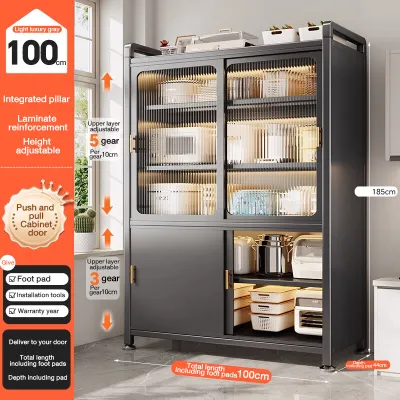
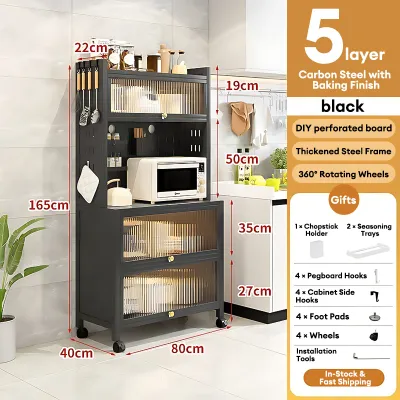
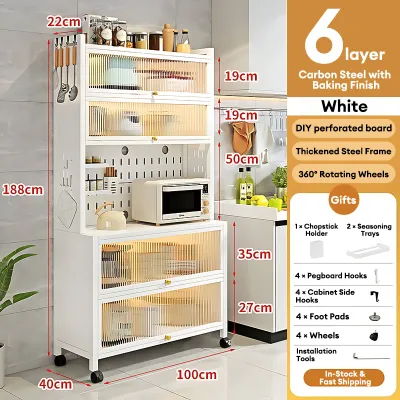
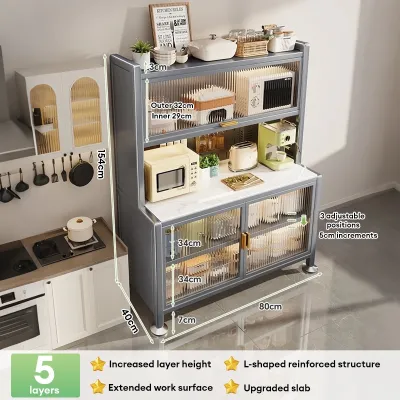
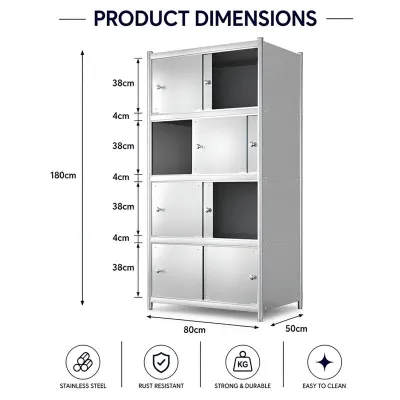
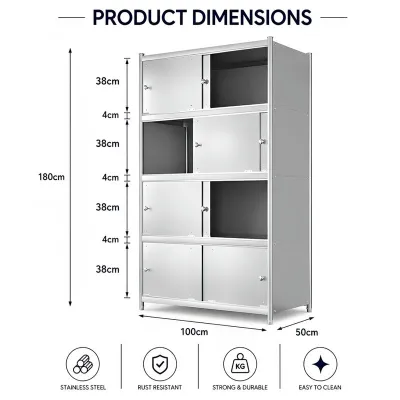
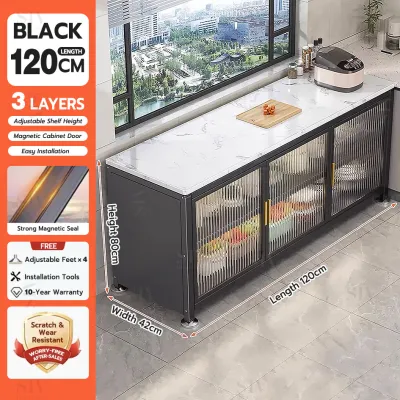
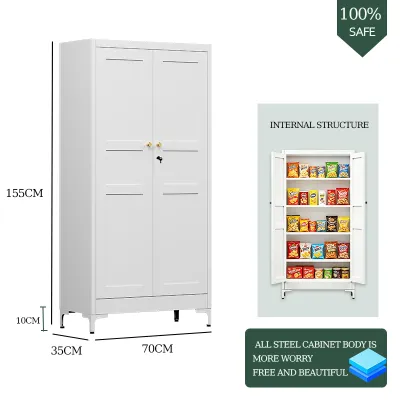
Prices are valid at publication and may change. Please refer to the product page for the latest price.
The door style of your cabinet directly impacts both the accessibility of your items and the overall workflow within your kitchen. Traditional hinged doors provide full, unobstructed access to the cabinet’s contents but require a clear swing radius that can block narrow walkways or collide with nearby appliances. If your kitchen has limited aisle space, sliding doors are a highly efficient alternative, though they restrict you to accessing only one side of the cabinet at a time. For specialized setups, roll-top or tambour doors slide upward into the cabinet frame, offering complete access without taking up any external floor space, though they contain more moving parts that require gentle handling and occasional maintenance.
Ventilation is another critical factor that is frequently overlooked when selecting kitchen storage in warm, humid environments. Stagnant air inside a tightly sealed metal cabinet can trap moisture, creating an ideal breeding ground for mold, mildew, and musty odors that can ruin dry food packages. Look for cabinets that incorporate ventilation features, such as louvered door panels, perforated metal backboards, or wire mesh shelves. These design elements promote continuous airflow throughout the cabinet interior, keeping your stored goods dry and fresh while still providing a secure barrier against household pests.
Assessing Your Kitchen Space and Storage Needs
Before committing to a purchase, you must take precise measurements of your kitchen’s physical footprint to ensure the cabinet fits comfortably within the designated area. Use a reliable tape measure to record the available width, depth, and height, keeping in mind that you need to leave a few centimeters of clearance on all sides for ventilation and ease of installation. Do not forget to account for baseboards, wall trim, light switches, and the opening paths of nearby doors or drawers. If you are placing the cabinet next to a refrigerator or stove, ensure there is sufficient clearance to prevent heat transfer or physical obstruction during daily meal preparation.

Delivery logistics represent a common failure point for large furniture purchases, particularly in high-rise condominiums or multi-story homes. A fully assembled metal cabinet is rigid and cannot be disassembled to squeeze through tight corners or narrow doorways. You must measure the height and width of every entryway, hallway, staircase, and elevator that the delivery team must navigate to reach your kitchen. If your building has strict service elevator dimensions or requires navigating tight stairwell landings, opting for a flat-packed, user-assembled unit may be the only viable way to get the cabinet into your home.
Your internal storage requirements should dictate the specific dimensions and shelf configuration of the cabinet you choose. Take an inventory of the items you plan to store, categorizing them by size, weight, and frequency of use. Bulky items, such as twenty-five-kilogram sacks of rice or large stockpots, require deep, reinforced bottom shelves to maintain the cabinet’s center of gravity. Conversely, small items like spice jars, canned goods, and condiments are best organized on shallow shelves or door-mounted spice racks where they remain visible and easily accessible. If you intend to use the cabinet to house small kitchen appliances, ensure the shelf depth can accommodate them and check for pre-drilled cable-management holes in the back panel.
Material, Finish, and Durability Checks
The durability of a metal pantry cabinet in a tropical climate depends almost entirely on its surface treatment and finish quality. Raw steel and iron are highly susceptible to oxidation when exposed to humid air, salty coastal breezes, or kitchen steam. To prevent rust, look for cabinets that feature a high-quality powder-coated finish, which involves electrostatically applying a dry thermosetting powder and curing it under heat to form a tough, protective skin. Verify that the powder coating is applied evenly across all surfaces, including the interior walls, the undersides of shelves, and the inside of door frames, as any missed spots will quickly become focal points for rust development.
A close physical inspection of the cabinet’s construction details can reveal a great deal about its overall manufacturing quality and safety. Run your fingers carefully along the edges of the shelves, door panels, and handle cutouts to check for sharp burrs or rough metal edges that could cause cuts or snag clothing. Examine the welding points at the corners and structural joints; high-quality welds should be smooth, continuous, and free of pinholes or slag. Avoid cabinets with thin, flimsy sheet metal panels that rattle or flex easily when pressed, as these units are prone to denting and structural warping under normal daily use.
Preserving the appearance and structural integrity of your metal cabinet requires adhering to the manufacturer’s specific care and maintenance guidelines. Even the most robust powder-coated finish can be compromised by abrasive cleaning pads, harsh chemical solvents, or acidic food spills. To clean the cabinet, use a soft microfiber cloth dampened with a mild solution of water and gentle dish soap, and always dry the surfaces immediately afterward with a clean towel. Avoid placing wet dishes, damp sponges, or unsealed liquid containers directly onto the metal shelves, as standing water will eventually penetrate the coating and initiate the rusting process.
Assembly, Stability, and Safety Considerations
If you choose a flat-packed metal cabinet, you must carefully evaluate the assembly requirements and the quality of the hardware provided. Review the manufacturer’s instruction manual to determine if the assembly process requires specialized tools or if standard household screwdrivers and wrenches are sufficient. Pay close attention to the type of fasteners used to connect the main structural panels; heavy-duty steel bolts, lock washers, and threaded inserts provide a much more stable and durable connection than simple push-fit plastic rivets or thin self-tapping screws. Having a second person assist you during assembly is highly recommended to hold the heavy metal panels in alignment while you secure the fasteners.
Tall, narrow metal cabinets present a significant tipping hazard, especially when they are fully loaded with heavy items on the upper shelves. To ensure the safety of your household, particularly if you have young children or pets, you must secure the cabinet to the wall using an anti-tip anchoring kit. Many manufacturers include these kits with the cabinet, but you must verify that the provided anchors are compatible with your specific wall material, whether it is solid concrete, hollow concrete blocks, or drywall. Properly anchoring the cabinet prevents accidental tipping if someone climbs on the shelves or during seismic events, which are a regular occurrence in the region.
Uneven kitchen floors are a common issue that can compromise the stability and alignment of your pantry cabinet. If a cabinet is placed on a sloped or uneven tiled floor, it may wobble, the doors may fail to close properly, or the entire frame may twist, putting unnecessary stress on the joints. To resolve this, choose a metal cabinet equipped with adjustable leveling feet, which are threaded glides attached to the bottom of the cabinet legs. By turning these feet clockwise or counterclockwise, you can compensate for floor imperfections and ensure the cabinet stands perfectly level, stable, and plumb.
Where to Shop and What to Verify Before Checkout
When purchasing a metal pantry cabinet through online marketplaces, you must exercise diligence to ensure the product matches your expectations. Do not rely solely on polished, computer-generated promotional images, which can make thin, low-quality cabinets appear sturdy and substantial. Instead, carefully cross-reference the seller’s detailed dimension diagrams, the net weight of the shipping package, and the actual customer reviews. Look for reviews that include real-world photos and videos uploaded by previous buyers, as these provide invaluable insights into the true color, material thickness, and structural alignment of the cabinet under normal home lighting.
Before finalizing your order, clarify the seller’s delivery policies and the specific logistics involved in transporting a heavy, bulky item to your home. Many online sellers use third-party logistics providers whose delivery coverage may be limited in provincial areas or may only include curbside drop-off. If you live in a high-rise building or a walk-up apartment, confirm whether the delivery team will carry the package up to your unit or if you will need to arrange additional help. Additionally, inquire about the availability of professional assembly services, as paying a modest fee for expert installation can save you hours of labor and ensure the cabinet is assembled correctly and safely.
Finally, review the warranty terms and return policies associated with the cabinet to protect your investment against manufacturing defects or shipping damage. A reputable manufacturer or retailer should offer a warranty that covers structural failures, defective hardware, or premature rust under normal indoor usage conditions. Understand the exact process for filing a warranty claim or initiating a return, including who bears the cost of return shipping for a heavy metal item. Having a clear, written return policy provides peace of mind and ensures you can resolve any issues quickly if the cabinet arrives with missing parts, bent panels, or damaged finishes.
Frequently Asked Questions (FAQ)
How do I prevent a metal pantry cabinet from rusting in a humid kitchen?
To prevent rust, position your metal pantry cabinet away from high-moisture areas such as the kitchen sink, stove, or the steam vent of your rice cooker. Ensure your kitchen has adequate ventilation, using exhaust fans or keeping windows open to reduce humidity levels during cooking. Wipe up any liquid spills or condensation immediately using a dry microfiber cloth, and avoid placing damp items directly on the shelves. Periodically inspect the cabinet’s surface for any scratches or chips in the powder coating; if you find any exposed metal, apply a small amount of matching rust-inhibiting touch-up paint promptly to seal the area and prevent rust from spreading.
Can metal pantry cabinets support heavy kitchen appliances?
Yes, metal pantry cabinets can support heavy kitchen appliances, but you must verify the specific load capacity of each shelf by checking the manufacturer’s product manual or specification label. Never exceed the recommended weight limit, as doing so can cause the shelf to bow permanently or slip from its supports. For optimal stability, place your heaviest appliances, such as microwave ovens, stand mixers, or food processors, on the bottom shelf or on shelves that feature welded support bars underneath. Regularly inspect the shelves for any signs of sagging or structural deflection, and redistribute the weight immediately if you notice any bending.
Community discussion
Share your experience or ask a question. Comments are reviewed before publication.