
Selecting the perfect net hammock, locally known as a duyan na lambat, requires balancing personal comfort, space constraints, and material durability. To choose the right one for your home, you must first assess your specific environment—whether it is a compact, high-rise balcony in Metro Manila or a spacious garden in a suburban estate. The ideal choice depends on matching your available physical space with a hammock of compatible dimensions, verifying the structural integrity of your anchor points, and selecting materials capable of withstanding the Philippines’ intense tropical heat and heavy rainfall.
Understanding Your Space: Balcony vs. Garden Requirements
Balconies and gardens present entirely different spatial footprints and architectural conditions. A balcony typically offers a highly rigid, compact area with limited anchor points and strict physical boundaries. When planning a balcony setup, you must prioritize finished dimensions, available space, and even doorway or lift access if you intend to transport a large, pre-assembled freestanding frame up to a high-rise unit. Garden settings, by contrast, provide generous lateral space, flexible anchoring options between mature trees or posts, and the benefit of natural shade, though they expose the hammock to more direct weather elements.
Before purchasing any hanging equipment for a balcony, you must verify local building regulations, lease agreements, or homeowners’ association (HOA) rules. Many condominium developments and residential subdivisions in the Philippines strictly prohibit drilling into exterior concrete walls, structural columns, or hanging heavy items from balcony ceilings. If permanent modifications are restricted, a freestanding hammock stand is often the only viable alternative, requiring you to measure the balcony floor space to ensure the stand itself fits comfortably.
Products mentioned in this guide
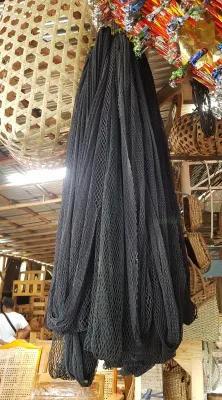
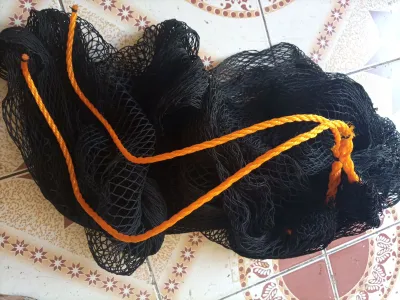
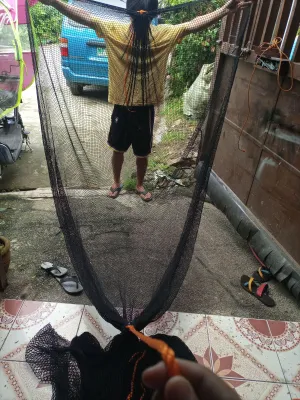
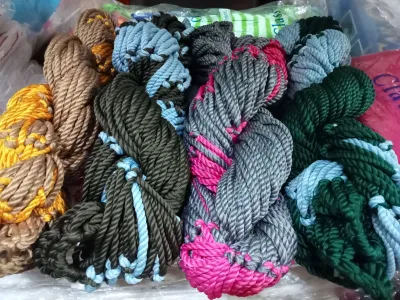
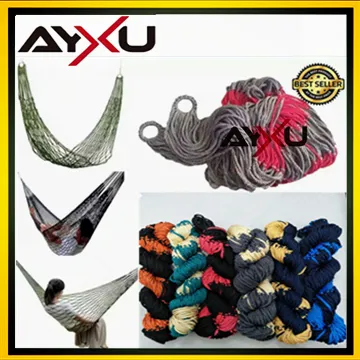
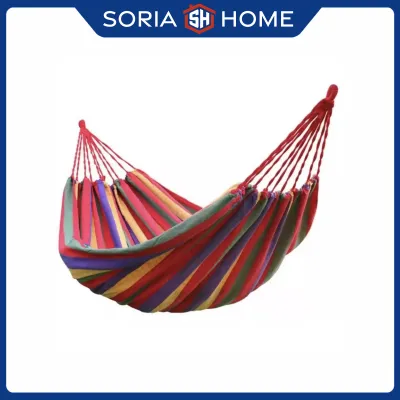
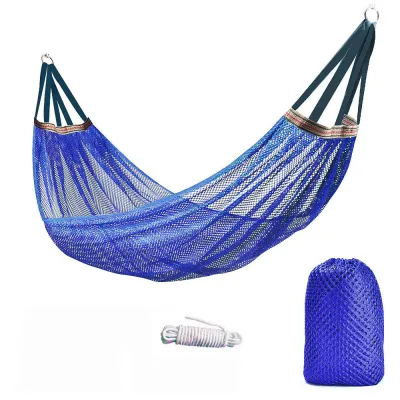
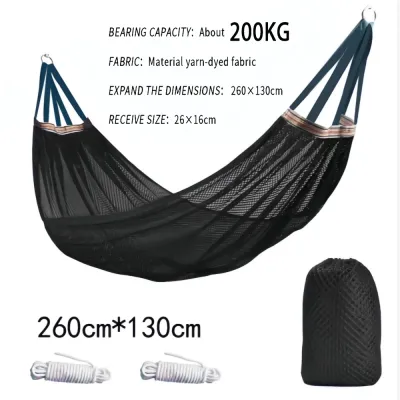
Prices are valid at publication and may change. Please refer to the product page for the latest price.
Clearance is another critical factor to evaluate before installation. A duyan na lambat requires adequate sag room to hang in a classic, comfortable curve without dragging on the floor when occupied. If your balcony is narrow, a hammock that is too long will either sag too low or require high, steep anchor points that make getting in and out difficult. Ensure the hammock’s path does not block essential walkways, sliding doors, or designated emergency exit routes, maintaining a safe clearance of at least 30 to 50 centimeters from the lowest point of the occupied sag to the ground.
Sizing and Weight Capacity for Safe Relaxation
To ensure a safe and relaxing experience, you must measure the exact distance between your planned anchor points before choosing a hammock size. The general rule of thumb is that the hanging distance should be at least 30 to 60 centimeters longer than the total length of the hammock from loop to loop. This spacing allows the hammock to achieve an ideal 30-degree hanging angle, which distributes your weight evenly, prevents excessive tension on the ropes, and provides the classic banana shape that cradles the body comfortably.

Never assume the weight capacity of a hammock based solely on its visual thickness or the name of the material. You must check the manufacturer’s product label or technical specification sheet for the certified maximum weight limit, usually specified in kilograms. A single-size hammock is designed for one adult and typically requires less lateral space, whereas double or family-sized models are wider, require longer hanging distances, and demand much stronger structural supports to handle the increased load safely.
When calculating weight limits, you must account for both static weight and dynamic load. Static weight is the load applied when you are lying perfectly still in the center of the net. Dynamic load occurs when you sit down, shift your weight, or get out of the hammock, which momentarily increases the physical force exerted on the ropes, carabiners, and anchor hardware. Choose a hammock with a rated weight capacity that comfortably exceeds your actual body weight to provide a safe buffer for these dynamic movements.
Material and Weave: Navigating the Tropical Climate
The Philippine climate presents unique environmental challenges, characterized by high humidity, intense UV exposure, and sudden, heavy monsoon rains. Common net materials include cotton, nylon, and polyester. Cotton is highly breathable and soft against the skin, making it exceptionally comfortable for warm tropical afternoons, but it absorbs moisture easily and is highly susceptible to mold and mildew if left outdoors. Nylon and polyester blends offer superior durability, quick-drying properties, and better resistance to rot, making them far more practical for uncovered garden settings.
Keep in mind that a material name alone does not prove weather, moisture, or scratch resistance. Instead, convert these material claims into practical checks of the actual finish, joint construction, and manufacturer care instructions. Look for product tags that explicitly verify UV-stabilizer treatments or water-resistant coatings, which help prevent synthetic fibers from becoming brittle and breaking under prolonged exposure to the intense Philippine sun.
The density of the weave directly influences both comfort and maintenance routines. A tight, dense net weave provides uniform body support, reduces pressure points, and prevents buttons, zippers, or jewelry from snagging on the threads. However, tighter weaves can trap fallen leaves, twigs, and organic debris more easily, requiring more frequent cleaning. A loose, open weave allows maximum airflow—a major advantage during hot summer days—but demands extra care to prevent snagging and fiber damage.
When evaluating different models, inspect the structural details. Look for reinforced edge bindings, heavy-duty end loops, and robust suspension ropes. If the hammock features wooden spreader bars, check that the wood is treated with an outdoor-grade sealant to prevent rot and that the ropes pass smoothly through the pre-drilled holes without friction. Spreader bars keep the net flat and open, which prevents the fabric from wrapping around you, but they also shift the center of gravity, making the hammock more prone to tipping if you shift your weight carelessly.
Hanging Hardware and Installation Basics
Safe installation is paramount to prevent accidents, falls, and structural damage to your property. On a concrete balcony, the most secure anchoring method is installing heavy-duty stainless steel eye bolts directly into structural concrete beams or solid masonry. Never drill into hollow concrete blocks, decorative plaster walls, or wooden fascia boards, as these materials cannot support lateral tension. For garden installations, mature trees with a trunk diameter of at least 15 to 20 centimeters serve as excellent natural anchors.
When hanging a hammock from garden trees, always use wide, flat, purpose-built tree straps rather than thin ropes or metal chains. These straps distribute the weight across a larger surface area, protecting the tree’s delicate bark and vascular system from being crushed or stripped. Ensure that all hardware ratings meet or exceed the maximum weight capacity of your hammock. Use corrosion-resistant hardware, such as marine-grade 316 stainless steel eye bolts and rated carabiners, to withstand high humidity and salty coastal air.
A strict safety boundary must be observed: if you cannot verify the load-bearing capacity of a wall or beam, if the masonry appears cracked or brittle, or if the installation requires structural modifications beyond basic DIY skills, stop immediately. Do not attempt to force an installation. In these scenarios, consult a structural engineer or a qualified professional contractor, or opt for a high-quality, freestanding hammock stand that requires no drilling.
Cross-Scenario Compatibility and Maintenance Tips
If you want a single duyan na lambat that can transition between your balcony and garden, verify its adaptability before buying. A hammock designed for a compact balcony stand may not have the necessary length or suspension ropes to stretch between two distant garden trees. To make a hammock cross-compatible, invest in adjustable suspension straps or a portable, weather-resistant metal stand that can be easily disassembled and moved as needed.
Maintaining your net hammock is essential for extending its lifespan in a tropical environment. Establish a routine of shaking out leaves, dust, and insects after each use. For spot-cleaning, use a soft-bristled brush, mild soap, and lukewarm water to gently scrub away dirt or bird droppings. Always consult the manufacturer’s care label before using any cleaning agents, and avoid harsh detergents or bleach, which can degrade the synthetic fibers or weaken cotton threads.
Never store a damp hammock. Mold and mildew can develop within 24 to 48 hours in warm, humid conditions, permanently staining the fabric and weakening the fibers. During typhoons, heavy monsoon rains, or long periods when the hammock will not be used, detach the net and store it indoors or inside a dry, breathable storage bag. This simple habit protects the materials from premature UV degradation and moisture damage.
Frequently Asked Questions (FAQ)
Can I hang a net hammock on a standard apartment balcony railing?
No, you should never hang a net hammock from a standard apartment balcony railing. Railings are engineered primarily to prevent falls by resisting outward horizontal pressure; they are not designed to support the intense dynamic lateral and downward loads exerted by a suspended hammock holding an adult. Attaching a hammock to a railing can cause the metal or concrete fasteners to fail, leading to severe structural damage, falls, and serious injury. Instead, use a certified freestanding hammock stand or consult your building administration to locate approved structural anchor points.
How do I clean a duyan na lambat after the rainy season?
To clean your duyan na lambat after the rainy season, start by shaking off loose debris and brushing away dried mud. Hand-wash the net in a large basin or bathtub filled with cool water and a mild, biodegradable detergent. If the manufacturer’s care label explicitly permits machine washing, place the hammock inside a mesh laundry bag, use a gentle cycle with cold water, and remove any metal hardware or wooden spreader bars beforehand. Always air-dry the hammock completely by hanging it in a shaded, well-ventilated outdoor area; avoid direct, intense sunlight during drying, and never use a mechanical dryer, as high heat can shrink or weaken the fibers.
Community discussion
Share your experience or ask a question. Comments are reviewed before publication.