
The best plastic foldable table for an outdoor lounger is one that matches the height of your lounger’s seating surface, features a stable base suitable for your specific outdoor flooring, and carries verified UV-resistant specifications. Because outdoor loungers are designed for deep relaxation, your companion table must keep drinks, sunscreen, and phones within arm’s reach without requiring you to stretch or sit up. Selecting the right model involves looking past basic aesthetics to evaluate structural joints, foot designs, and material treatments that can withstand tropical heat and sudden downpours.
Essential Features for a Perfect Lounger Match
Choosing a companion table for your outdoor lounger requires evaluating physical dimensions and structural details. The primary goal is convenience—reaching your drink or book without shifting your body or straining your back. Measure the height of your lounger’s armrest or compressed cushion. The table surface should sit level with or slightly below this point. A table that stands too tall forces you to reach upward awkwardly, while one that is too low increases the risk of knocking over items.
Base stability is critical on uneven outdoor surfaces like garden soil, gravel, or pool decking. X-frame leg designs fold incredibly flat but can wobble if the central pivot joint is loose. Four-legged folding designs often provide a more stable foundation when equipped with secure locking rings or clips. Always inspect the foot caps; textured rubber or soft plastic caps prevent sliding on wet surfaces and protect your patio tiles from scratches.
Products mentioned in this guide
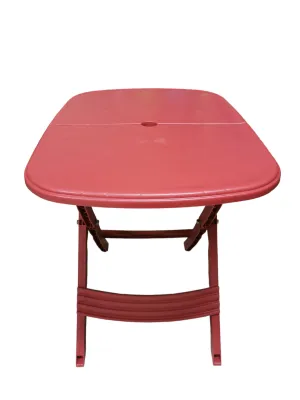
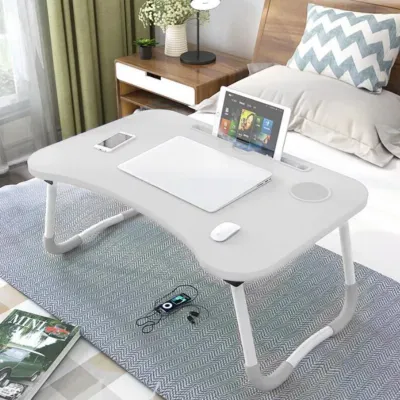
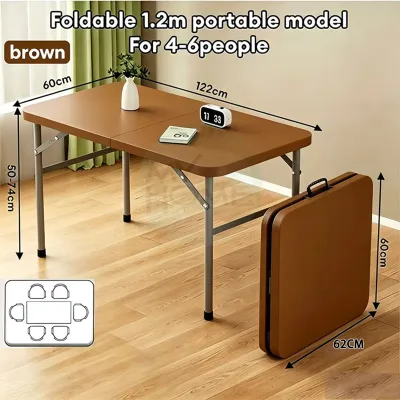
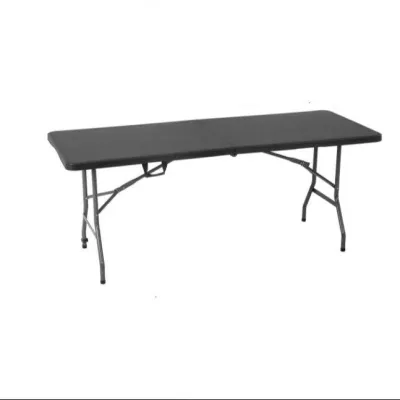
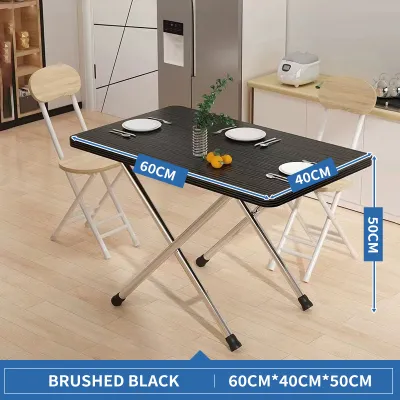
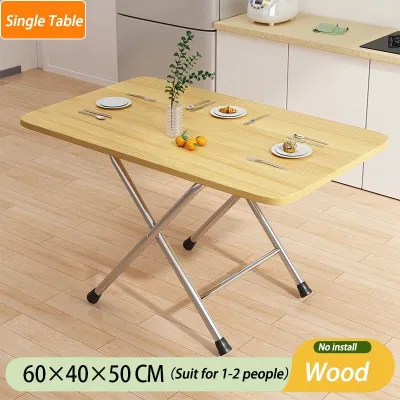
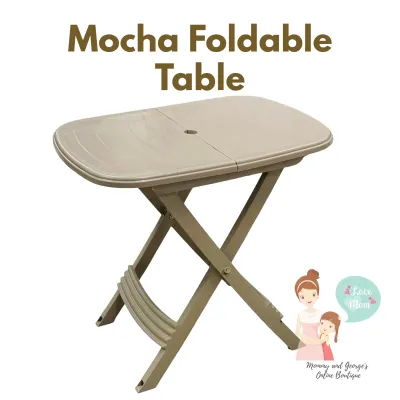
Prices are valid at publication and may change. Please refer to the product page for the latest price.
Weather resistance is not uniform across all plastic furniture. The intense tropical sun and high humidity can rapidly degrade low-quality plastics, causing them to warp, discolor, or crack. When comparing options, check the manufacturer’s specifications for terms like “UV-stabilized” or “high-density polyethylene (HDPE).” These materials are formulated to withstand prolonged exposure to sunlight. Avoid assuming that any shiny plastic table will survive outdoor conditions; untreated plastics quickly lose structural integrity under constant sun exposure.
Finally, evaluate the folding mechanism and safety. A good folding table should open and close smoothly without requiring excessive force. Look closely at the hinges to identify potential pinch points that could catch your fingers during setup. If the table uses metal hardware, verify that these components are powder-coated or made of stainless steel to resist rust from salty coastal air or pool splashback. Additionally, check the folded dimensions to ensure the table slides easily into your storage closet when not in use.
Adapting to Your Outdoor Space and Surface
Your choice of a plastic foldable table should depend on where you plan to use it most. Outdoor spaces vary from tiled verandas and concrete pool decks to grassy lawns and sandy beachside gardens. If you set up your lounger on soft ground, a table with narrow, pointed legs will sink under weight. For these environments, look for tables with wide, flat foot caps or a sled-style base that distributes weight evenly. On hard surfaces like outdoor tiles, standard non-slip rubber feet keep the table stationary.

Space constraints and wind conditions should also guide your selection. On a compact balcony or narrow poolside path, a large table obstructs traffic. A compact table with a diameter of 40 to 50 centimeters is usually sufficient for holding a phone, a drink, and sunglasses. However, lightweight plastic tables can tip over in strong winds, which is a common concern on high-rise balconies or open coastal properties. To counter this, look for tables with a slightly heavier frame or a design that allows you to place a small weight on a lower shelf.
Functional add-ons can enhance your lounging experience if they serve a practical purpose. Recessed cup holders are incredibly useful for preventing tall glasses of juice or water bottles from tipping over in breezy conditions. If you choose a table with cup holders, ensure they feature drainage holes at the bottom; otherwise, they will collect rainwater and condensation, creating a messy cleanup task. Lower shelves can hold towels or reading materials, but make sure they do not interfere with the folding mechanism or add unnecessary bulk.
Consider whether you need a multi-scenario table that transitions to other uses. A versatile foldable table can serve as a temporary laptop stand on the veranda, a casual dining surface for afternoon snacks, or an extra serving table during backyard gatherings. If you plan to use the table for multiple activities, look for models with adjustable height settings. This feature allows you to raise the table for dining or working while seated in a standard chair, and then lower it to match your lounger when relaxing.
Keeping Your Plastic Table in Top Condition
Proper maintenance extends the lifespan of your plastic foldable table and keeps it looking clean. Plastic is easy to maintain, requiring only basic care to prevent staining and weathering. For routine cleaning, wipe the table down with a soft cloth, mild dishwashing soap, and lukewarm water. Avoid using abrasive scrubbing pads, steel wool, or harsh chemical cleaners like bleach or acetone. These abrasive materials create microscopic scratches on the plastic surface, which trap dirt and make the table far more difficult to clean in the future.
Sun and weather management are crucial for preserving structural strength. Even if your table is made of UV-stabilized plastic, constant exposure to intense tropical heat eventually takes a toll. When the table is not in use for extended periods, fold it up and store it in a shaded area or under a protective cover. This simple habit prevents material fatigue, keeps the plastic from becoming brittle, and ensures colors remain vibrant. During severe weather events, such as heavy tropical storms or typhoons, always bring the table indoors to prevent wind damage.
Lastly, practice careful load management to avoid damaging the folding joints and the tabletop. Every foldable table has a maximum weight capacity specified by the manufacturer, which you should locate and respect. Whether you are investing ₱500 or ₱2,000 in a side table, avoiding sitting on the table, using it as a step stool, or placing heavy potted plants on the surface is essential. Overloading the table puts immense stress on the plastic hinges and locking pins, which can lead to warping, cracking, or sudden structural failure. Distributing weight evenly across the surface and staying within the recommended limits ensures a safe and reliable outdoor companion.
Frequently Asked Questions (FAQ)
What is the ideal height for a lounger side table?
The ideal height for a lounger side table typically ranges between 40 and 50 centimeters, or roughly level with the seating surface of your lounger. To find the perfect match, measure from the ground to the top of your lounger’s cushion or armrest while you are seated. You want the table surface to be within 5 to 10 centimeters of this height. This ergonomic alignment allows you to reach for your drinks, phone, or book naturally without having to sit up or strain your shoulder.
Will a plastic table fade or become brittle in the sun?
Yes, standard plastics can fade, discolor, and become brittle when exposed to direct sunlight over long periods due to ultraviolet (UV) radiation. To minimize this risk, look for tables specifically labeled as UV-resistant or made from high-density polyethylene (HDPE) with UV inhibitors. While these treatments significantly delay the aging process, no plastic is completely immune to the elements. To maximize your table’s lifespan, fold it up and store it in a shaded area or use a protective cover when it is not in use.
Community discussion
Share your experience or ask a question. Comments are reviewed before publication.