
The modern Filipino living room aesthetic is defined by a thoughtful balance of heritage and contemporary simplicity. To capture this look, the most effective rattan set styles are those that pair clean, architectural lines with traditional weaving techniques. Rather than overwhelming a space with heavy, dark, or overly ornate wicker designs of the past, today’s homes benefit from minimalist Scandinavian-inspired frames, retro mid-century modern silhouettes, and refined tropical contemporary lounging sets. These styles honor local craftsmanship while maintaining an airy, uncluttered feel that suits urban apartments and modern suburban houses alike. By focusing on slender profiles, light wood or natural finishes, and high-quality neutral upholstery, you can create a space that feels deeply rooted in local culture yet thoroughly modern and functional.
Understanding Your Modern Filipino Living Room Aesthetic
The evolution of interior design in the Philippines has led to a beautiful style known as modern Filipino or contemporary tropical. This aesthetic moves away from the heavy, dark hardwood furniture of the colonial era and the overly rustic, unstructured look of traditional provincial homes. Instead, it embraces a sophisticated minimalism that prioritizes light, ventilation, and natural textures. The goal is to create a sanctuary that feels open and breezy, directly responding to the warm, humid climate while accommodating the demands of modern urban living.
Achieving this balance requires a careful curation of materials and forms. Rattan, a native climbing palm celebrated for its strength and flexibility, serves as the ideal bridge between old and new. When integrated into a modern living room, rattan introduces an organic warmth and tactile richness that cold, industrial materials like steel or glass cannot replicate. However, to keep the space looking refined rather than cluttered, the natural texture of the weave must be balanced with clean, straight lines and generous negative space.
Products mentioned in this guide
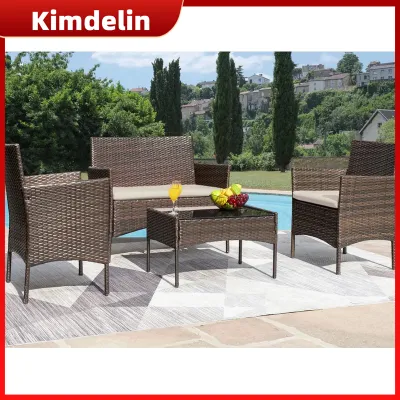

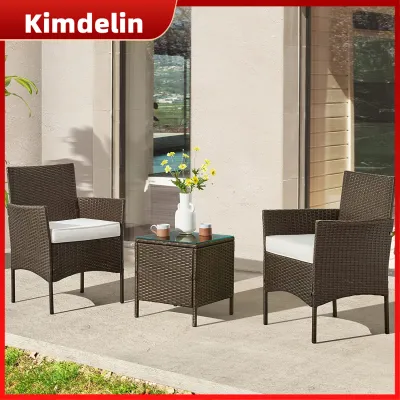
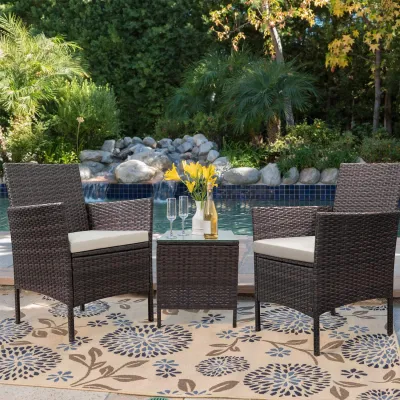
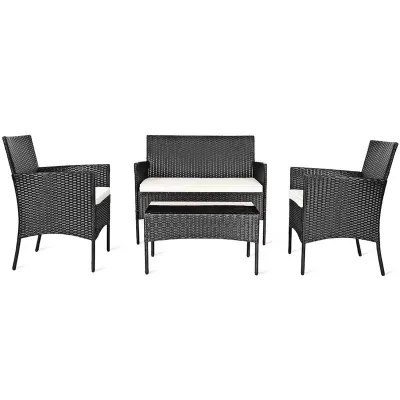

![[ RESTOCK ] 2 PCS 201 SQUARE RATTAN STOOL / SQUARE RATTAN STOOL SET/ RATTAN STOOL #UPUAN #RATTANCHAIR #RATTANSTOOL #DININGCHAIR](https://img.lazcdn.com/g/p/a951f7f3d1de9424508cdfe82f438623.jpg_400x400q80.jpg_.webp)
Prices are valid at publication and may change. Please refer to the product page for the latest price.
Color palettes in a modern Filipino living room typically draw inspiration from the local landscape. Think of soft sandy beiges, warm terracotta, muted forest greens, and deep charcoal accents, all set against a backdrop of crisp white or warm cream walls. Spatial arrangements are equally deliberate, focusing on open-plan layouts that allow air to circulate freely. Instead of packing a room with matching bulky furniture suites, contemporary design favors a curated mix of pieces. A well-chosen rattan set becomes the focal point, grounded by minimalist architectural elements and illuminated by abundant natural light.
Rattan Set Styles That Fit Your Contemporary Space
Integrating a rattan set into a modern home requires a keen eye for proportion and visual weight. Because woven materials naturally draw the eye and carry a distinct texture, the surrounding furniture and architectural lines must complement rather than compete with them. The key lies in selecting a design where the frame geometry and cushion proportions align with contemporary design principles.

Minimalist and Scandinavian-Inspired Rattan
For homes that favor a bright, airy, and highly functional environment, minimalist and Scandinavian-inspired rattan sets offer an exceptional solution. This style merges the Nordic appreciation for simple utility and light wood tones with the organic warmth of tropical weaving. The result is a hybrid aesthetic that feels incredibly fresh, clean, and spacious, making it particularly well-suited for smaller condominiums and townhouses where maximizing light is essential.
When shopping for this style, look for frames characterized by simple geometry and unornamented silhouettes. The rattan poles should be slender, featuring clean bends and minimal decorative wrapping. Instead of dense, solid weaves, these sets often utilize open cane webbing (such as the classic solihiya pattern) on the backrests or side panels. This open-work design allows light and air to pass directly through the furniture, preventing the room from feeling visually crowded.
The choice of upholstery is critical in defining this minimalist look. Check cushion fabrics for neutral, highly breathable materials such as linen, cotton blends, or canvas in shades of off-white, oatmeal, or soft grey. The cushions themselves should have clean, squared edges rather than overstuffed, rounded profiles. Additionally, assess your space requirements; low-profile or modular configurations work exceptionally well here, allowing you to arrange the seating to maintain clear pathways and open sightlines across the room.
Mid-Century Modern Rattan Designs
If you prefer a more sophisticated, nostalgic, and structured aesthetic, mid-century modern rattan designs provide a compelling option. This style captures the retro optimism of the mid-20th century, combining iconic organic curves and tapered legs with traditional Filipino weaving. It offers a wonderful way to introduce historical character into a newly built home without sacrificing contemporary clean lines.
To identify authentic mid-century modern influences, look for signature design elements such as gently curved armrests, angled wooden legs, and low-slung frames. In these sets, rattan is often paired with solid hardwoods like teak or mahogany. The rattan might serve as a decorative insert—such as a woven backrest set within a sleek wooden frame—or it may form the primary structural support, shaped into elegant, sweeping curves that mimic classic Danish modern designs.
When integrating these pieces, verify the structural stability of the joints, especially where rattan meets solid wood. The rich, warm stains typical of mid-century furniture—such as amber, honey, or medium walnut—should be matched thoughtfully with your room’s existing color palette. These deeper wood tones pair beautifully with contemporary wall colors like muted olive, warm ochre, or deep navy, and they truly shine under warm, layered lighting that highlights the intricate patterns of the weave.
Tropical Contemporary and Resort-Style Sets
For those who want to capture the relaxed, luxurious feel of a high-end boutique resort in the provinces, tropical contemporary sets are the ideal choice. This style is all about comfort, leisure, and a seamless connection to nature. The challenge with resort-style furniture is ensuring it looks polished and intentional, rather than outdated, overly casual, or better suited for an outdoor patio.
To achieve a modern look, select oversized or deep-seating arrangements designed for extended lounging, but ensure the overall silhouettes remain clean and structured. Avoid overly ornate, Victorian-style wicker patterns. Instead, look for thick, substantial rattan poles that form bold, simple frames, paired with dense, high-quality weaving. The scale of these pieces requires a larger living room with high ceilings or large windows to prevent the furniture from overwhelming the space.
Before purchasing a resort-style set, always check the manufacturer’s labels for indoor-only versus covered-outdoor suitability. True indoor rattan is typically finished with a clear lacquer or light varnish that is not designed to withstand direct rain or intense, prolonged sunlight. To keep the look contemporary, balance the heavy, textured presence of a deep-seated rattan sofa by pairing it with a sleek, minimalist coffee table made of stone, matte black metal, or glass. This contrast of materials keeps the design grounded in the present day.
Essential Checks Before You Buy a Rattan Set
Investing in a rattan set is a commitment to local craftsmanship, but ensuring the furniture is safe, functional, and durable requires several practical checks before checkout. Because rattan is a natural, hand-worked material, quality can vary significantly between manufacturers. Taking the time to inspect the construction and measure your space will prevent costly delivery mistakes and future structural failures.
First, perform precise spatial measurements. Do not rely solely on how a furniture set looks in a spacious showroom or an online photo. Measure your available living room floor space, leaving at least 60 to 75 centimeters of clearance for walkways. Crucially, measure your doorways, hallways, stairwells, and elevator cabins. Rattan frames are often fully assembled and cannot be flat-packed or disassembled; if a sofa frame is too long or wide to clear a tight turn in your stairwell, delivery will be impossible.
Next, inspect the physical construction of the rattan itself. Run your hands along the frame to check for smoothness; high-quality rattan should be thoroughly sanded to prevent snagging on clothing or skin. Examine the joints where the main poles meet. These areas should be secured with heavy-duty screws or dowels and neatly wrapped with split rattan binders. The wrapping must be tight, uniform, and free from loose ends. If the weave feels loose, uneven, or springy when pressed, it may sag or unravel over time under regular use.
Review the manufacturer’s specifications for weight capacity and structural materials. A quality rattan sofa or armchair should feature a sturdy internal frame, often made of thick rattan poles, solid wood, or powder-coated metal. Avoid sets that feel excessively light or flimsy when lifted. Additionally, confirm the cushion specifications. Look for high-density foam cushions that retain their shape after sitting. Check that the cushion covers are removable and machine-washable, or made from stain-resistant performance fabrics, which is especially important if you have pets, children, or host frequent gatherings.
Styling Your Rattan Set for a Cohesive Look
Once your rattan set is in place, the final step is styling it to create a cohesive, inviting atmosphere. Because rattan is highly textured, the accessories you choose should help integrate the furniture into the wider room, creating a balanced visual flow rather than letting the set sit as an isolated island of wicker.
Start by layering textures to add depth and warmth. A large, flat-weave area rug made of natural fibers like sisal, jute, or abaca works beautifully to ground a rattan seating group. To prevent texture overload, choose a rug with a simple geometric pattern or a solid, neutral color. On the seating itself, introduce throw pillows and lightweight blankets in contrasting materials. Smooth fabrics like linen, washed cotton, or even velvet can soften the rustic feel of the rattan, while solid colors help break up the busy pattern of the weave.
Incorporating indoor plants is a highly effective way to enhance the natural, tropical character of the room. Large-leafed plants such as the split-leaf philodendron, bird of paradise, or a tall snake plant pair naturally with rattan, echoing the lush outdoor landscapes of the Philippines. Place these plants in simple ceramic or terracotta pots to keep the focus on the greenery. The organic shapes of the plants soften the straight lines of modern walls and complement the curved forms of the furniture.
Finally, choose complementary side tables and lighting that do not visually compete with the rattan. If your sofa has a dense, heavy weave, pair it with a side table made of a different material, such as matte black metal, polished concrete, or a simple terrazzo. This contrast prevents the room from looking like a matching showroom set. For lighting, opt for minimalist floor lamps or pendant lights with clean metal finishes or simple paper shades. This ensures that the lighting provides a modern contrast to the warm, organic texture of your rattan furniture.
Frequently Asked Questions (FAQ)
How do I protect my indoor rattan set from humidity and pests?
Protecting indoor rattan in a tropical climate requires consistent environmental care and regular maintenance. High humidity can encourage mold growth, while dry, air-conditioned environments can sometimes cause natural fibers to become brittle over time. To prevent these issues, maintain good indoor ventilation by opening windows on dry days or using ceiling fans to keep air circulating. Avoid placing your rattan set in direct, intense sunlight, as UV rays can dry out the fibers and cause the natural finish to fade or crack.
Regularly inspect your furniture for early signs of mold, dry rot, or pest activity, particularly in crevices and underneath cushions. To clean the set, dust it weekly with a soft brush or a vacuum cleaner fitted with a brush attachment to remove dust from the weave. For deeper cleaning, wipe the rattan with a soft cloth slightly dampened with mild soapy water, taking care not to saturate the material. Always allow the furniture to dry completely in a well-ventilated area before replacing the cushions.
Can I mix my rattan set with other wood furniture in the same room?
Yes, mixing rattan with other wood furniture is an excellent way to create a rich, layered, and intentional interior design. The key to success is ensuring that the different wood elements do not compete for dominance. Choose one primary wood tone to serve as the anchor for the room—such as your flooring or a large entertainment console—and use the rattan set as a contrasting texture rather than a matching color.
To maintain visual harmony, match the undertones of the different materials. For example, if your rattan set has a warm, golden honey finish, pair it with other woods that share warm undertones, such as teak or warm oak. If you have a mix of different wood finishes, use a large neutral area rug to physically separate the furniture pieces. This visual barrier prevents the different wood grains and colors from clashing, allowing each piece of furniture to stand out on its own merits.
Community discussion
Share your experience or ask a question. Comments are reviewed before publication.