
The most effective shelf organizer for a home study depends entirely on the specific items you need to store. Books require vertical support to prevent warping, documents need enclosed protection from dust and light, and small office supplies require compartmentalization to prevent clutter. Rather than searching for a single universal solution, the best approach is to match the organizer type—such as bins, dividers, boxes, or baskets—to the physical characteristics and usage frequency of your study materials.
Assessing Your Home Study Storage Needs
Before purchasing any shelves organizer storage, you must evaluate the specific inventory of your home study. A common mistake is buying attractive containers first, only to find they do not fit your books or are too small for your document folders. Start by categorizing your items into distinct groups based on their size, weight, and how often you use them.
Daily stationery, active project files, and frequently referenced books should be easily accessible. In contrast, archived tax documents, old reference manuals, and seasonal supplies can be placed in deeper, enclosed storage. Grouping these items beforehand helps you determine how many open-access organizers versus sealed containers you actually need.
Products mentioned in this guide
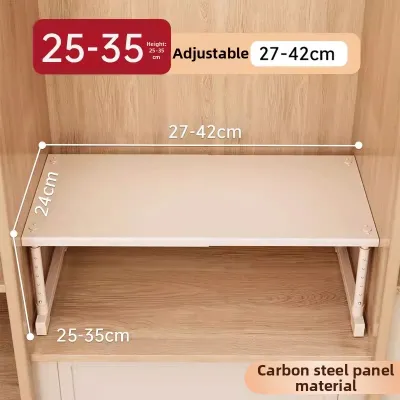
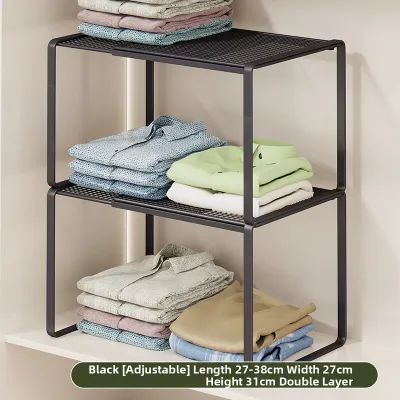
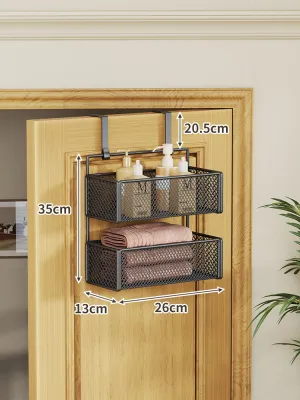
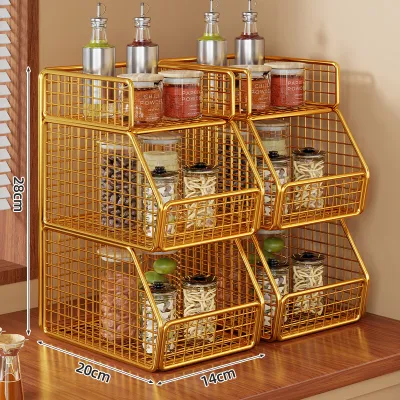
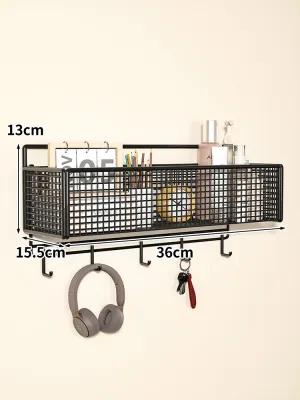
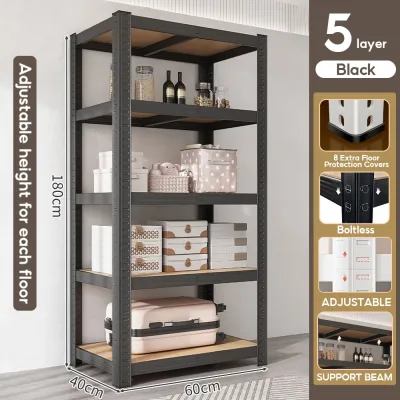
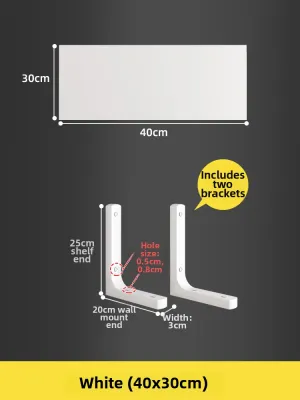
Prices are valid at publication and may change. Please refer to the product page for the latest price.
Next, take precise measurements of your existing shelving units. Measure the clear height between shelves, the total usable width, and the absolute depth of each shelf. Do not rely on standard furniture descriptions, as actual interior clearances often differ from external dimensions. Write these measurements down and keep them handy when browsing for organizers.
In tropical environments like the Philippines, high humidity and dust are significant factors to consider when assessing your storage needs. Open shelves are highly susceptible to dust accumulation, while enclosed boxes can trap moisture if not selected carefully. If your study is not constantly air-conditioned, you may want to prioritize breathable materials or organizers that allow for regular airflow to prevent mold growth on paper goods.
Additionally, consider the lighting and airflow patterns in your home study. If your shelves are positioned near a window, direct sunlight can fade book spines and degrade plastic organizers over time. Placing sensitive documents in opaque, UV-resistant boxes on lower or shaded shelves helps preserve them. Understanding these environmental factors before buying ensures you select materials that can withstand the specific conditions of your room.
Finally, consider your visual preferences and how they affect your productivity. Some people find open storage systems motivating because everything is visible and within arm’s reach. Others experience visual fatigue from exposed clutter and prefer a clean, minimalist look achieved through opaque boxes and baskets. Identifying your personal style helps narrow down the material choices, whether you prefer clear acrylic, woven natural fibers, or solid plastic.
Matching Organizer Types to Study Items
Selecting the right organizer category is not just about aesthetics; it directly impacts the longevity of your study materials. Books, documents, and office supplies have vastly different physical properties that require specific structural support. Using the wrong container can lead to bent book spines, crumpled papers, or misplaced stationery.

When planning your layout, think of your shelving unit as a vertical grid. The middle section, which is easiest to see and reach, should be reserved for active materials. The top and bottom sections are better suited for long-term storage or decorative elements. By assigning specific organizer types to these different zones, you create an intuitive system where every item has a logical home.
A balanced study setup usually incorporates a mix of bins, dividers, boxes, and baskets. By combining these different types, you can create a highly functional layout that addresses various storage challenges. For instance, you can use rigid dividers to keep your active reading list upright, while utilizing matching fabric baskets to conceal unsightly computer cables and chargers on the same shelf.
Bins and Boxes for Documents and Small Supplies
Enclosed and semi-enclosed storage solutions are essential for managing paper documents and loose office supplies. Paper is heavy and highly sensitive to environmental factors like sunlight, dust, and moisture. Without proper containment, loose sheets and folders quickly turn into disorganized piles that clutter your workspace.
Stackable boxes with secure lids are the ideal choice for archiving documents, tax records, and completed projects. These boxes protect paper from yellowing due to light exposure and keep dust from settling on the pages. When selecting storage boxes for heavy paper loads, look for options with reinforced bases and structural ribbing along the corners to prevent the bottom from sagging or cracking over time.
For those who manage a high volume of loose paperwork, color-coded boxes can be incredibly helpful. You can assign a specific color to financial records, another to personal projects, and a third to professional work. This visual distinction allows you to locate the correct box instantly without needing to read every label. When buying in bulk, look for modular sets that stack neatly together to maximize your vertical shelf space.
For items you need to access regularly, such as active notebooks, current project folders, or blank printing paper, open-front bins are much more practical. These bins allow you to slide documents in and out without removing a lid, saving time during busy work sessions. Placing these bins at arm’s reach from your desk ensures your most important files are always ready for use.
Small office supplies like paperclips, sticky notes, pens, and USB drives require compartmentalized storage to prevent them from getting lost in larger containers. Small, shallow bins with internal dividers or modular drawer inserts work best for these tiny items. By keeping them grouped in dedicated sections, you avoid the frustration of rummaging through a deep box for a single pen.
Dividers and Bookends for Books and Binders
Books and heavy binders require robust vertical support to maintain their structural integrity. When books are allowed to lean at an angle for extended periods, their spines can warp, and the binding can weaken. Proper vertical alignment not only protects your library but also makes it much easier to pull out a single volume without bringing down the entire row.
For heavy textbooks, thick reference manuals, and large hardcovers, weighted or L-shaped bookends are highly recommended. These supports utilize the weight of the books themselves to stay anchored in place, preventing them from sliding across smooth wooden or laminate shelves. Ensure the bookends have non-slip pads on the bottom to protect your shelf surfaces from scratches.
If you have a collection of oversized books, such as art portfolios or large reference atlases, standard bookends may not provide enough support. For these items, consider using deep, heavy-duty metal bookends or storing them horizontally in neat stacks. Stacking large books horizontally can actually prevent spine damage and provides a stable base for smaller decorative items or a small organizer bin on top.
Adjustable shelf dividers are another excellent tool for organizing open shelves. These dividers slide directly onto the shelf board, allowing you to create custom-sized compartments for different subjects, authors, or project categories. They are particularly useful for separating thin softcover books, magazines, and spiral notebooks that cannot stand upright on their own.
When choosing dividers and bookends, always verify the base width of the supports. Some decorative bookends have wide, bulky bases that consume a significant amount of usable shelf space. In a compact home study, prioritizing slim, structurally sound metal or acrylic dividers ensures you maximize the space available for your actual reading materials.
Baskets for Aesthetics and Mixed Items
Baskets are an excellent way to introduce warmth and texture to a home study while solving difficult storage challenges. Many items in a study do not fit neatly into standard boxes or file folders. Irregularly shaped objects, electronic accessories, and crafting supplies can look messy on open shelves, but they can be easily gathered and hidden inside a stylish basket.
Woven natural fibers, wire mesh, and soft fabric baskets are popular choices for concealing everyday clutter. You can use them to store laptop chargers, spare cables, headphones, and camera gear. By keeping these items in a dedicated basket, you keep them accessible while maintaining a clean, professional backdrop for video calls and virtual meetings.
Another advantage of using baskets is their portability. If you occasionally work from a dining table or another room, you can easily grab a basket containing your active project supplies and take it with you. Once your work session is complete, simply carry the basket back to your study and slide it back onto the shelf. This flexibility is particularly useful for hybrid workers who need to transition between different workspaces throughout the day.
When selecting baskets for high or deep shelves, ensure they are equipped with sturdy, integrated handles or pull-tabs. This allows you to safely pull the basket down from above eye level without risking a spill. Fabric or woven handles should be securely stitched or riveted to the main body of the basket to withstand the weight of the contents over time.
Additionally, pay close attention to the interior texture of the baskets. Rough woven materials like seagrass or wicker can snag delicate paper folders, fabric-bound journals, or plastic cables. If you plan to store these items in a woven basket, look for options with smooth fabric linings or opt for wire mesh baskets with rounded, non-abrasive edges to protect your belongings from damage.
Key Dimensions and Fit Checks Before Buying
Before finalizing your purchase of shelves organizer storage, performing a thorough physical check is crucial to avoid the hassle of returns. Organizers must fit both the physical dimensions of your shelving units and the weight requirements of your stored items. Taking a few minutes to verify these specifications ensures a seamless setup.
First, compare the external dimensions of the organizers against the internal clearance of your shelves. Always leave at least two to three centimeters of clearance at the top and sides of each bin or box. This extra space is necessary to comfortably slide the containers in and out, especially when they are fully loaded and heavy. If a box fits too snugly, you risk scratching the shelf finish or struggling to retrieve your items.
When measuring your shelves, also take note of any structural elements like shelf support pins, brackets, or overhanging lips. These small details can reduce the actual usable opening of the shelf, preventing a perfectly sized box from sliding in. Always measure the narrowest point of the shelf opening rather than the wide interior space. If your shelves are adjustable, experiment with different height configurations before purchasing organizers to find the most efficient layout.
Next, evaluate the weight capacity limits of both your shelving unit and the organizers themselves. Books and paper documents are surprisingly heavy; a shelf filled entirely with paper can easily exceed the weight limits of standard flat-pack furniture. Check the manufacturer specifications for your bookshelves to determine the maximum load capacity per shelf, and distribute the weight evenly to prevent bowing.
Inspect material labels and care instructions carefully rather than assuming durability based on material names alone. For example, while solid wood organizers look premium, they can warp or crack in high-humidity areas if they lack a protective sealant. Similarly, cheap plastic bins can become brittle and crack under heavy loads if they are made from low-grade polymers without structural reinforcement.
Finally, do not forget to verify the physical access routes in your home if you are ordering large, pre-assembled storage units or bulk quantities of organizers. Ensure that delivery boxes can easily pass through your doorways, narrow hallways, and stairwells. Measuring these clearances beforehand prevents unexpected delivery issues and ensures your new storage solutions can actually reach your home study.
Arranging Your Shelves for Daily Efficiency
Once you have selected and verified your shelves organizer storage, the final step is to arrange them in a way that enhances your daily workflow. A logical layout reduces the time spent searching for items and helps maintain order over the long term. The key is to place your most frequently used materials in the most accessible zones.
Position heavy items, such as textbook boxes, heavy binders, and frequently accessed office supplies, at eye level or lower. This reduces physical strain when lifting heavy objects and minimizes the risk of dropping items from high shelves. Reserve the highest shelves for lightweight, rarely used items like archived records, seasonal decorations, or extra printer paper.
Group similar categories together and use consistent labeling on all opaque boxes and bins. Clear, legible labels remove the guesswork from finding files and make it much easier to return items to their proper places at the end of the day. You can use a simple label maker, adhesive pocket sleeves, or hanging tags to keep your labeling neat and uniform.
To maintain this efficiency, establish a weekly or monthly routine to declutter your shelves. It is easy for loose papers, receipts, and random notes to accumulate in open bins over time. Spending just five minutes at the end of each week sorting through your organizers ensures that your system remains functional and does not become overwhelmed by unnecessary clutter. A well-maintained shelf organizer system is a continuous process, not a one-time setup.
Lastly, resist the temptation to pack every shelf to its absolute capacity. Leave some intentional empty space on your shelves for future book acquisitions, temporary project staging, or simply to provide visual breathing room. A study with crowded shelves can feel cramped and stressful, whereas a layout with open space feels inviting and allows your mind to focus on the task at hand.
Frequently Asked Questions (FAQ)
Can I use the same organizer type for both books and office supplies?
While it is possible to use a single organizer type for different items, doing so carries risks of damage and disorganization. Storing heavy books in the same container as loose pens, ink bottles, or sharp scissors can lead to torn pages, ink leaks, and scratched book covers. Books require rigid, flat support, whereas small office supplies need compartmentalization to prevent them from rolling around.
If you must combine these items on a single shelf, use divided bins or modular inserts to keep them physically separated. For example, you can place a small, structured organizer for stationery next to a row of books secured by sturdy bookends. This keeps your workspace looking cohesive while ensuring that delicate pages and small office tools do not interfere with one another.
How do I prevent plastic bins from warping under heavy paper loads?
Plastic bins are highly versatile, but they can warp, bow, or crack if subjected to excessive weight from books and paper documents. To prevent this, always check the manufacturer’s weight limits before loading a bin. Look for bins made from thick, high-density plastics like polypropylene, and look for structural reinforcements such as ribbed bases, double-walled corners, and reinforced rims.
Another effective strategy is to distribute the weight across multiple smaller containers rather than packing all your heavy documents into one large bin. Smaller bins are inherently more rigid and easier to lift safely. Additionally, place a flat piece of heavy cardboard or a thin wooden insert at the bottom of the bin to help distribute the weight of the paper evenly across the base, reducing the risk of localized sagging.

Community discussion
Share your experience or ask a question. Comments are reviewed before publication.