
A small breakfast nook is a charming addition to any home, providing a cozy spot for morning coffee, casual reading, or quick meals. However, furnishing these compact spaces requires a careful balance between daily utility and available floor area. Introducing a sidetable can significantly enhance the functionality of your nook, offering a convenient surface for mugs, books, or decorative accents without overcrowding your seating.
The ideal side table for a compact breakfast nook typically features a footprint of 30 to 45 centimeters (12 to 18 inches) in diameter or width, with a height of 45 to 60 centimeters (18 to 24 inches) to match the surrounding seating. In the Philippines, where modern condos and townhouses often feature tight, multi-functional dining zones, selecting the right scale is essential to keep the space feeling open and comfortable.
How to Measure Your Breakfast Nook for a Side Table
Finding a table that fits seamlessly into your breakfast nook begins with precise measurements. Start by clearing the entire area of any temporary items so you can clearly see the limits of your floor footprint. Use a steel tape measure to record the length and width of the available floor space where you intend to place the table, keeping your units consistent—whether in centimeters or inches—to avoid errors when browsing furniture options.
Products mentioned in this guide
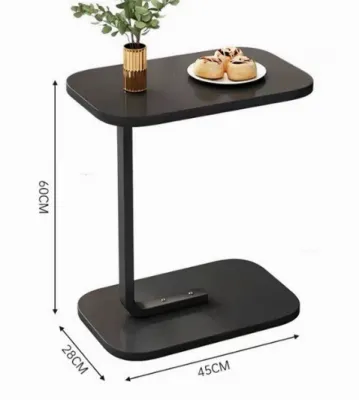
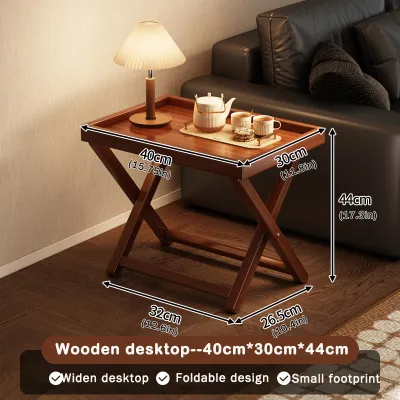
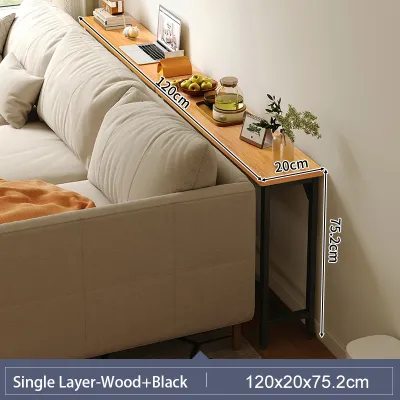

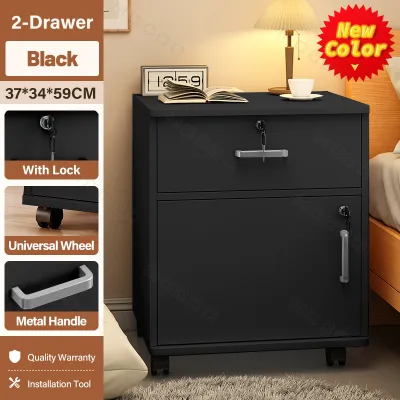
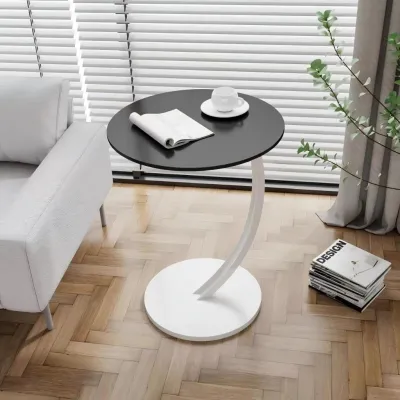
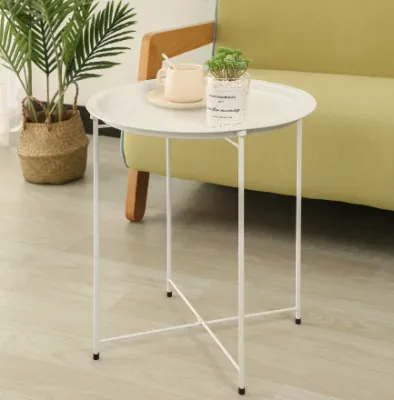
Prices are valid at publication and may change. Please refer to the product page for the latest price.
Next, measure the height of your existing seating. Check the distance from the floor to the top of your dining chair seats or built-in bench cushions. If your nook includes a primary dining table, record its height as well. These vertical measurements are critical because they dictate the ideal height of your new side table, ensuring you do not select a piece that is awkwardly tall or inconveniently low.
Beyond the physical footprint of the furniture, you must account for functional clearances. Measure the space required for dining chairs or benches to slide out comfortably when someone sits down. Walkways must remain completely unobstructed to prevent the nook from feeling like a physical bottleneck. To visualize this, map out the proposed dimensions of your new table on the floor using painter’s tape to ensure you can move freely around the area.
If you are considering a wall-mounted or floating option, you must also measure vertical clearances. Ensure there is enough vertical space on the wall to mount the table securely without interfering with existing wall decor, light fixtures, or window frames. This step is particularly important in smaller urban apartments where wall space is often shared with electrical outlets or light switches.
Finally, do not overlook delivery access. Measure the width, height, and diagonal clearance of every doorway, hallway, stairwell, and elevator door that the table must pass through to reach its destination. In many Philippine residential buildings, tight elevator cabins and narrow entryways present significant delivery challenges. Confirming these entry dimensions beforehand ensures that your chosen furniture can actually be brought into your home without damage or logistical frustration.
Recommended Side Table Dimensions and Proportions
Achieving the perfect balance in a small breakfast nook depends heavily on the proportional relationship between your sidetable and the surrounding seating. The height of your side table should ideally sit level with or up to 5 centimeters below the top of your bench cushion or chair seat. This height range allows for an ergonomic, natural reach when you are setting down a warm cup of coffee or reaching for a tablet, eliminating the need to stretch upward or bend uncomfortably from a seated position.

The footprint of the table must be kept as compact as possible while still offering practical utility. A width or diameter between 30 and 45 centimeters is generally the sweet spot for small nooks. This size provides sufficient surface area for a couple of coffee mugs, a small plate, or a compact vase of local flowers, without extending so far into the room that it blocks your knees or restricts your elbow room.
Beyond dimensions, the shape of the tabletop plays a major role in spatial flow. Round tables are highly recommended for tight spaces because they lack sharp corners, making it much easier to navigate around them without painful bumps. Square or rectangular tables can work well if they are pushed flush against a wall, but they require careful placement to ensure the corners do not block natural movement.
Visual weight is another critical design factor that influences how spacious your breakfast nook feels. Solid block tables, heavy drum styles, or designs with thick wooden legs can make a small area feel dense and cluttered because they block the flow of light. Instead, look for tables with a slender pedestal base or delicate metal legs. A central pedestal base is especially practical for tight dining spaces because it maximizes footroom, allowing you to slide your legs in and out of the seating area without constantly knocking against table legs.
In the tropical climate of the Philippines, material selection also plays a role in both visual weight and long-term durability. Lightweight materials like woven rattan, powder-coated metal, or treated local hardwoods are excellent choices. When evaluating these materials, look closely at the quality of the joints and the protective finish. High humidity can cause untreated woods to warp or metals to rust, so verifying that the piece has a moisture-resistant sealant is essential for maintaining its structural integrity over time.
Space-Saving Side Table Designs for Compact Nooks
When floor space is exceptionally limited, standard stationary tables may not be the most practical choice. Fortunately, several innovative, space-saving designs can provide the surface area you need without permanently occupying valuable floor space. Drop-leaf and folding tables are outstanding options for flexible living. These designs allow you to lift the table leaf when you need extra room for a morning spread and fold it down flat against the base when the meal is over. When shopping for a drop-leaf model, inspect the hinge mechanisms for stability and ensure the base is heavy enough to prevent the table from tipping over when the leaf is fully extended.
Wall-mounted or floating side tables offer another highly effective solution by completely eliminating the need for table legs. This keeps the floor area entirely clear, making the breakfast nook feel significantly larger and much easier to sweep or vacuum. However, installing a floating table requires strict attention to structural safety. You must locate the wall studs or secure the table to a solid concrete wall using high-quality wall anchors. Always check the manufacturer’s specified weight capacity and avoid placing heavy items on the surface to prevent damage to your walls.
For nooks with built-in bench seating or deep armchairs, C-tables and nesting tables are incredibly versatile. A C-table features an open, cantilevered frame that allows the base to slide neatly under your seating, bringing the tabletop directly over your lap or the arm of the chair. Nesting tables consist of two or three tables of graduating sizes that slide completely underneath one another. This allows you to pull out the smaller tables when hosting guests and tuck them away when you need to maximize floor space. Before purchasing, carefully measure the clearance height under your bench or chair frame to ensure the table base can slide underneath without scraping the furniture.
If you choose nesting tables, consider options made of lightweight materials or clear acrylic. Acrylic nesting tables are virtually invisible, which drastically reduces visual clutter while providing plenty of surface area when expanded. Alternatively, lightweight wooden or metal nesting tables can be easily moved around the home to serve other purposes when not in use in the nook.
Common Sizing and Placement Mistakes to Avoid
Integrating a new piece of furniture into a compact layout requires precision, and a few common errors can quickly ruin the comfort of your breakfast nook. One of the most frequent mistakes is selecting a side table that is too tall for the seating. When a table stands significantly higher than the adjacent chair or bench, it creates an awkward physical barrier. This height mismatch makes reaching for items uncomfortable and increases the risk of knocking over hot drinks or glassware.
Another common oversight is ignoring the design of the table’s base footprint. Homeowners often focus entirely on the dimensions of the tabletop, only to discover upon delivery that the legs splay outward at a wide angle. These splayed legs create immediate tripping hazards in tight walkways and severely restrict footroom for anyone trying to sit down. Always check the maximum width at the very bottom of the table legs rather than relying solely on the tabletop measurements.
Poor placement can also diminish the charm of your breakfast nook. Placing a side table directly in front of a window can block beautiful natural light and disrupt the view of your garden or balcony. Furthermore, positioning the table in a high-traffic pathway can make navigating your kitchen or dining area feel frustratingly tight. Ensure the table is tucked neatly to the side, preserving the natural flow of movement through your home.
Finally, be mindful of material compatibility with your specific environment. Placing a side table made of untreated wood or non-rust-resistant metal directly next to a sunny, humid window can lead to rapid deterioration. Sun exposure can fade finishes, while moisture from open windows or condensation can cause warping and rust. Always check the manufacturer’s care instructions to ensure the material is rated for the specific light and humidity levels of your nook.
Frequently Asked Questions (FAQ)
Can I use a standard coffee table as a breakfast nook side table?
A standard coffee table is generally not recommended for a breakfast nook due to height discrepancies. Coffee tables typically stand between 40 and 45 centimeters high, which is designed to align with low, relaxed sofa seating. Reaching down to a low surface from a standard dining chair or bench cushion—which usually sits around 45 to 50 centimeters high—is ergonomically uncomfortable and increases the likelihood of spills. However, if your breakfast nook features a low, lounge-style booth with deep, plush cushions, a low coffee table might work; otherwise, a taller side table is a much safer and more comfortable choice.
How much walkway space should I leave around the side table?
To maintain a comfortable and safe flow of movement, standard interior design guidelines recommend leaving a walkway clearance of at least 60 to 90 centimeters (24 to 36 inches) around your furniture. In a very compact breakfast nook, you may need to adjust these measurements based on your household’s daily routines. If the nook is situated along a primary pathway through your home, or if you share your space with active children or pets, prioritizing a wider, completely unobstructed walkway is essential to prevent accidental bumps and ensure a relaxed dining experience.
Community discussion
Share your experience or ask a question. Comments are reviewed before publication.