
Selecting the correct stainless steel hammock rings requires matching the hardware to both your physical suspension setup and the total weight it must support. Rather than relying on generic hardware, you must verify the manufacturer’s load ratings, ensure physical compatibility with your carabiners or straps, and inspect the build quality to guarantee safe, long-term use in outdoor environments. In tropical climates like the Philippines, where high humidity and coastal salt air can accelerate wear, choosing the right specifications is crucial for maintaining a secure balcony or garden hammock setup.
Decoding Load Capacity and Safety Margins
To establish a safe hammock setup, you must first calculate the total expected load. This calculation involves combining the weight of the heaviest user, the weight of the hammock fabric itself, and any additional gear or accessories you plan to keep inside. However, simply matching this total to a ring’s weight limit is not enough. You must account for the difference between static weight and dynamic forces.
Static weight refers to a stationary load, such as a person lying completely still. In contrast, dynamic forces are generated when you enter, exit, adjust your position, or gently swing in the hammock. These movements temporarily increase the force exerted on the hardware well beyond your actual body weight. To accommodate these dynamic forces safely, look for hardware that specifies a clear Working Load Limit (WLL) or Safe Working Load (SWL) rather than an ultimate breaking strength.
Products mentioned in this guide
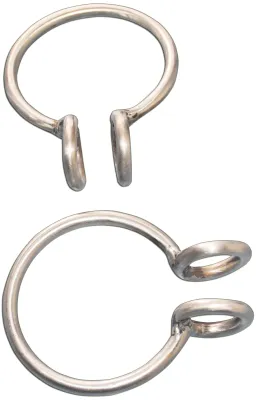
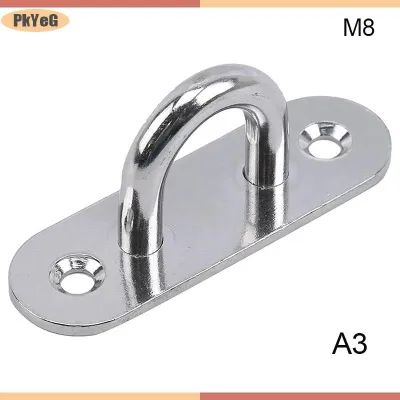
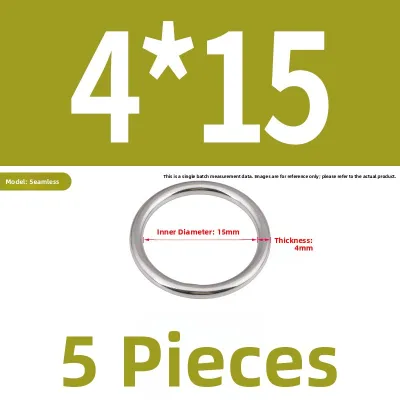
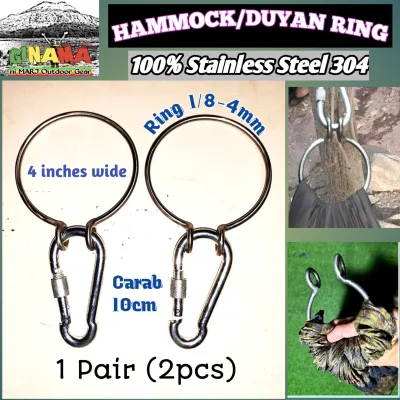
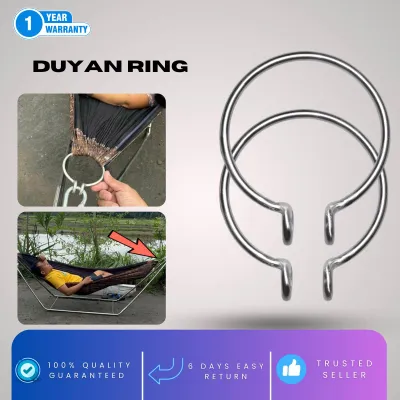
Prices are valid at publication and may change. Please refer to the product page for the latest price.
When shopping on an online marketplace, always look for explicit weight ratings on product labels or manufacturer specification sheets. Avoid purchasing unmarked, generic hardware from bulk bins. While saving a few ₱ on unrated utility rings might be tempting, certified hardware designed for load-bearing applications is necessary to prevent sudden structural failure.
Matching Ring Size to Your Suspension Hardware
Physical compatibility between your hammock rings and the rest of your suspension system prevents binding, friction, and premature wear. Begin by checking the inner diameter of the ring. It must be wide enough to allow your specific carabiners, S-hooks, or ropes to pass through and rotate freely. If the connection is too tight, the hardware can pinch or bind, creating awkward angles that concentrate stress on a single point of the ring.

Next, evaluate the wire thickness, also known as the cross-section of the ring. The wire must be thin enough to slide easily through the hammock’s fabric loops or gathered rope ends without forcing or tearing the material. However, it must also be thick enough to provide a stable surface area. A very thin wire can act like a blade under tension, putting excessive friction and cutting pressure on fabric loops.
The shape of the ring also dictates how the load is distributed. O-rings are highly versatile because their circular shape allows multi-directional movement, making them excellent for setups that swing or twist. D-rings feature a flat side that keeps webbing or straps lying flat, preventing the fabric from bunching up or sliding around. Teardrop-shaped rings guide the rope or carabiner into a single, predictable apex, which helps maintain a consistent connection angle and minimizes shifting during use.
Verifying Stainless Steel Build for Outdoor Durability
Outdoor environments, particularly in humid tropical regions, subject metal hardware to constant moisture and potential corrosion. When selecting hammock rings, do not rely on vague marketing claims like “rust-proof” or “weather-resistant.” Instead, verify the specific stainless steel grade on the packaging or product description.
Grade 304 stainless steel is the standard choice for most outdoor furniture applications, offering reliable resistance to rain and humidity in typical backyard or balcony settings. If you live near the coast where salt air is prevalent, look for Grade 316 stainless steel, often referred to as marine-grade. Grade 316 contains molybdenum, which provides superior resistance to chloride-induced corrosion and pitting.
Beyond the material grade, inspect the physical construction of the ring. Because hammock rings must be closed loops, they feature a welded joint. Examine this welding seam closely before installation. The weld should be completely smooth, uniform, and flush with the rest of the ring. Avoid rings that show visible cracks, tiny holes (porosity), rough slag, or incomplete penetration where the two ends meet. A flawed weld is a major structural weakness that can fail under tension. Finally, look for a polished or passivated surface finish, which helps maintain the protective chromium oxide layer on the steel.
Pre-Use Inspection and Maintenance Routine
Establishing a regular inspection routine is essential for ensuring the long-term safety of your hammock setup. Before each use, perform a quick visual and tactile check of the rings. Run your fingers along the metal to feel for any unusual bends, warping, or micro-cracks that might not be easily visible to the eye. Any physical deformation indicates that the ring has been stressed beyond its capacity and must be replaced immediately.
Pay close attention to the contact points where the ring meets other metal components, such as carabiners or hooks. Over time, the constant friction of metal rubbing against metal can wear deep grooves into the ring’s body. This thinning of the cross-section reduces the overall strength of the hardware and can lead to metal fatigue. If you observe significant wear or grooving at these contact points, it is time to install new rings.
To prolong the lifespan of your stainless steel hardware, implement basic cleaning steps. Periodically wash the rings with fresh water and a mild soap to remove accumulated salt, dirt, and organic debris. Dry them thoroughly with a clean cloth. This simple maintenance routine prevents surface contaminants from breaking down the steel’s passive oxide layer, keeping your suspension secure for many seasons of outdoor relaxation.
Frequently Asked Questions (FAQ)
Can I use standard hardware store O-rings instead of dedicated hammock rings?
Standard hardware store O-rings are typically manufactured for general utility tasks, such as securing cargo, hanging plants, or light rigging, and are rarely rated for human suspension. Dedicated hammock rings undergo strict quality control and load testing to ensure they can safely support dynamic human weight. Using unrated utility hardware increases the risk of sudden failure, so always verify that your rings carry an explicit load rating suitable for overhead suspension.
Does a thicker stainless steel ring always mean a higher weight capacity?
Not necessarily. While a thicker wire diameter generally suggests greater strength, the actual load capacity is determined by the material grade, the quality of the weld, and the manufacturer’s processing standards. A poorly welded thick ring made of low-grade steel can fail at a much lower force than a slightly thinner, high-grade, professionally welded marine stainless steel ring. Always rely on the manufacturer’s rated specifications rather than estimating strength based on thickness alone.
Community discussion
Share your experience or ask a question. Comments are reviewed before publication.