
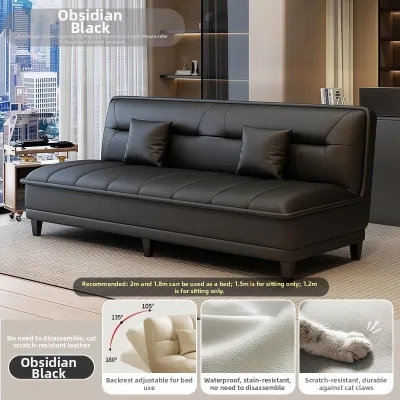
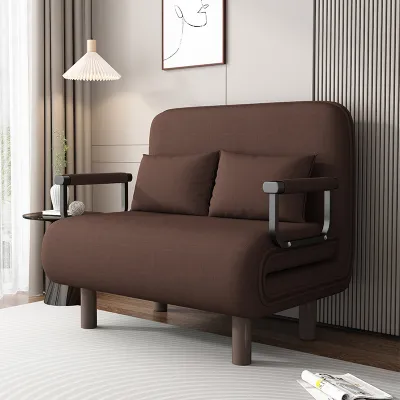
A 20 square meter condo living room requires careful spatial planning, where every centimeter counts. To avoid overcrowding, a practical approach is to select a multifunctional sofa bed with a closed seating width of around 120 to 150 centimeters. This size typically extends into a double-size sleeping surface, balancing daily lounging comfort with the necessary clearance for movement when the bed is fully deployed. By focusing on compact profiles and multi-use designs, you can maintain an open, airy feel in your living space while securing a fully functional sleeping area for guests.
Selecting furniture for a compact urban home is about preserving the flow of your daily life. In a limited layout, a piece of furniture that is too large can make the entire apartment feel cramped, dark, and difficult to navigate. Conversely, a piece that is too small might fail to provide the comfort and utility you need. By understanding how to measure your space, evaluate folding mechanisms, and plan your layout, you can confidently choose a multifunctional sofa bed that enhances your home without overwhelming it.
Assessing Your 20 Sqm Living Room Layout
A 20 square meter space might sound reasonable on paper, but the actual usable floor area is often much smaller once you account for structural realities. In typical condo developments, columns, structural pillars, and recessed walls can significantly alter the room’s geometry. Start by sketching a basic floor plan of your living area, noting the exact locations of fixed elements such as entry doors, balcony sliding doors, built-in cabinets, and low-hanging air conditioning units. These architectural features dictate where furniture can physically sit and how far it can extend.
Products mentioned in this guide
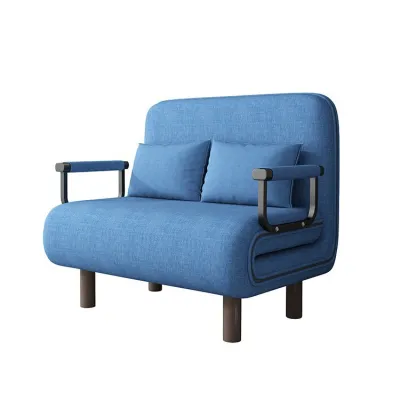
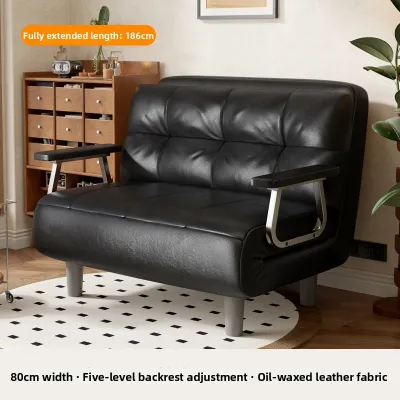
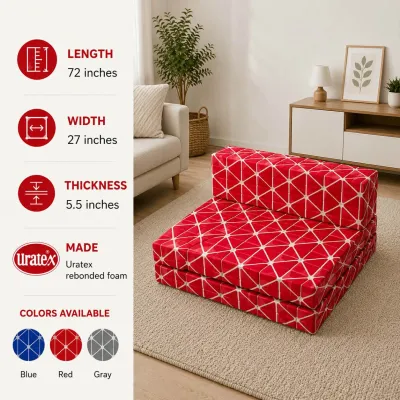
Prices are valid at publication and may change. Please refer to the product page for the latest price.
Next, map out your primary and secondary walkways. A primary walkway—such as the path from the main entrance to the kitchen or balcony—requires a clear, unobstructed lane to prevent a cramped feel. Secondary walkways, like the space between your coffee table and the television console, can be slightly narrower but must still allow for natural movement. Subtracting these essential transit zones from your total square footage reveals the true maximum footprint available for your furniture.
When calculating this footprint, pay close attention to the swing zones of doors and cabinets. A wardrobe door that cannot open fully or a balcony door that hits the edge of your couch will quickly become a source of daily frustration. Mark these swing zones clearly on your floor plan. The remaining open area is your actual target zone for placing the sofa bed, ensuring that the piece remains highly functional without disrupting the basic flow of your household.
Understanding Sofa Bed Dimensions and Clearances
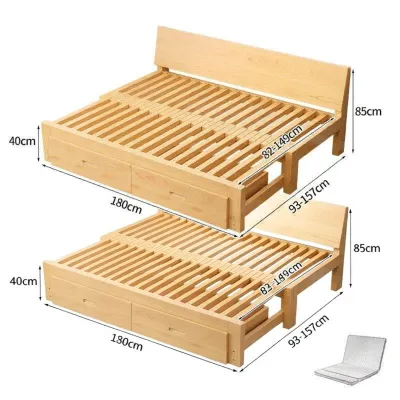
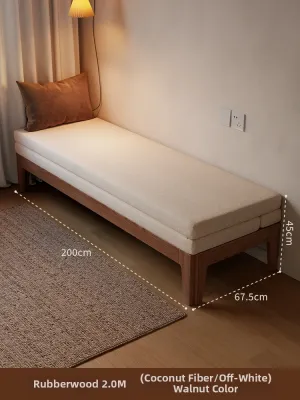
When shopping for a multifunctional sofa bed, you must evaluate two entirely different sets of dimensions: the closed sofa mode and the fully extended bed mode. A common pitfall is choosing a piece that fits beautifully as a couch but completely blocks the room once unfolded. Check the manufacturer’s specifications for three critical states: the upright seating footprint, the fully opened sleeping footprint, and the transition path required to open the mechanism.

Different folding mechanisms demand distinct clearances. For instance, a classic pull-out frame requires significant clearance directly in front of the sofa, extending outward by up to 200 centimeters or more. Conversely, a click-clack or fold-down backrest design might require you to leave a gap of 10 to 20 centimeters between the back of the sofa and the wall, or physically push the unit forward every time you transition to bed mode. Always verify the finished depth, width, and height in both configurations to ensure the frame does not collide with adjacent walls or media units.
Furthermore, consider the height of the seating surface and the mattress. A low-profile sofa bed can make a small room feel more spacious by keeping sightlines open, but it might be more challenging for some guests to sit down on or get up from. Balance these comfort factors against the physical limits of your room. Always prioritize manufacturer specifications over visual estimates, as even a few centimeters of unexpected depth can prevent a drawer from opening or block a vital pathway.
Key Measurements to Check Before Buying
A suitable multifunctional sofa bed is only useful if you can actually get it inside your home. Condo living introduces unique logistical challenges, particularly in high-rise buildings where tight corners and strict delivery windows are the norm. Before finalizing your purchase, measure the height, width, and depth of your building’s service elevator, as well as the clearance of any stairwells your delivery team might need to use.
Do not forget to measure your unit’s main entry door and the interior hallway leading into the living room. Compare these figures against the manufacturer’s packaging dimensions, which are often larger than the assembled furniture itself. If your hallway has a sharp ninety-degree turn, calculate the turning radius to ensure a long box can clear the corner without damaging the walls. Opting for flat-packed models or modular designs that assemble inside the room can bypass many of these delivery obstacles.
Additionally, verify the assembly conditions required for the specific model you choose. Some multifunctional sofa beds arrive fully assembled, requiring a wide entry path, while others come in multiple boxes that can easily fit through standard doorways. Knowing these details beforehand allows you to coordinate with building security and delivery personnel, ensuring a smooth installation process without unexpected delays or return fees.
Space-Saving Layout Strategies for Small Condos
Strategic placement is key to keeping a 20 sqm living room functional and visually spacious. Positioning your multifunctional sofa bed against a solid, load-bearing wall or anchoring it in a corner helps define the seating area while leaving the center of the room open. This arrangement also provides a stable backing for the sofa, which is particularly important for lightweight or modular frames.
To minimize visual clutter, pair the sofa bed with lightweight, mobile furniture. Use nesting side tables or a coffee table on wheels that can easily be rolled out of the way when it is time to extend the bed. Additionally, align the bed’s extension path with your room’s existing open walkways. By utilizing the empty space normally reserved for walking as your nighttime sleeping zone, you avoid the need to rearrange heavy furniture every evening.
You can also maximize vertical space around the sofa bed to keep the floor area clear. Installing floating shelves above the sofa or using tall, narrow bookcases on either side provides ample storage for books, decor, and bedding without consuming valuable floor space. This approach keeps the surrounding area tidy, making the transition from a cozy living room to a comfortable sleeping space quick and effortless.
Common Sizing Mistakes to Avoid
One of the most frequent errors in small-space planning is ignoring how the extended bed depth impacts daily routines. A sofa bed that blocks access to the balcony, the kitchen, or the bathroom when unfolded creates a safety hazard and a daily inconvenience. Always ensure there is a clear path to exit the unit, even when the bed is fully occupied.
Another oversight is ignoring the swing radius of nearby doors, wardrobe panels, and even ceiling fans. A low-hanging ceiling fan can pose a safety risk if the bed height is unusually elevated, while a swinging bedroom door might strike the corner of the extended mattress. Avoid relying on visual estimates or eyeballing the space in a showroom; instead, use painter’s tape to outline both the sofa and bed dimensions directly on your living room floor before making a decision.
Finally, do not overlook the weight and stability of the unit. In humid tropical climates, furniture materials can behave differently over time. Ensure the frame is sturdy and the joints are well-constructed to handle regular transitions between sofa and bed modes. Checking these structural details, rather than focusing solely on the fabric color or style, ensures your investment remains durable and safe for years to come.
Frequently Asked Questions (FAQ)
How much walking space should I leave around a sofa bed?
For comfortable daily movement, aim to maintain a primary walkway width of at least 75 to 90 centimeters. For secondary paths, such as the space between the extended bed and a television console, a clearance of 50 to 60 centimeters is usually sufficient for a single person to pass through. If your household has high traffic, keeping these pathways as clear as possible prevents the room from feeling congested.
Can a multifunctional sofa bed work in a studio condo layout?
Yes, a multifunctional sofa bed is highly effective in a studio condo layout because it bridges daytime and nighttime functions in a single footprint. To make this work, select a low-profile design with clean lines to preserve natural light and maintain clear sightlines across the room. You can also use open shelving units or light area rugs to visually zone the living area without physically blocking airflow or movement.

Community discussion
Share your experience or ask a question. Comments are reviewed before publication.