
Finding the perfect balance between comfort and open space is a common challenge for high-rise dwellers in the Philippines. When decorating a compact 20 square meter condo living room, every single centimeter counts. To answer the core question directly: a compact rattan sofa sala set with a maximum length of 1.5 to 1.8 meters and a depth of 0.8 to 0.9 meters is the ideal size for a 20 square meter space. This specific size range comfortably accommodates two to three adults while leaving enough clearance for walkways, doors, and adjacent dining areas.
Rattan is a beloved material in Filipino homes, bringing an airy, tropical warmth that softens the concrete-and-glass feel of modern developments. However, because natural or high-quality synthetic rattan frames are rigid and cannot be disassembled, choosing the wrong dimensions can quickly lead to a cramped, unnavigable room. To make an informed purchase, you must calculate your actual usable floor area, understand the spatial dynamics of compact layouts, and plan for delivery logistics. Let us explore how to choose a set that maximizes both seating comfort and visual openness.
Assessing Your Usable Space in a 20 SQM Condo
A 20 square meter living area is a generous estimate for a typical Philippine condo, where this footprint often represents the entire studio unit or a combined living, dining, and kitchen zone. For instance, a standard layout might measure approximately 4 meters by 5 meters or a narrower 3.5 meters by 5.7 meters. Within this boundary, structural features immediately reduce the actual floor space available for furniture placement. Columns, protruding wall outlets, sliding balcony doors, and floor-to-ceiling windows all dictate where a sofa can physically sit.
Products mentioned in this guide
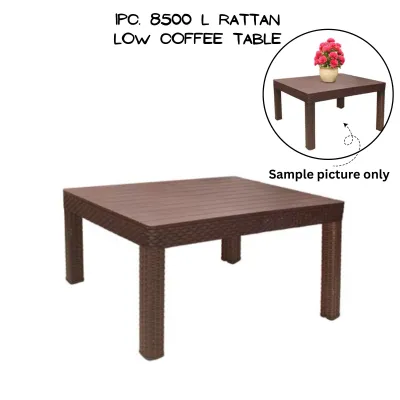
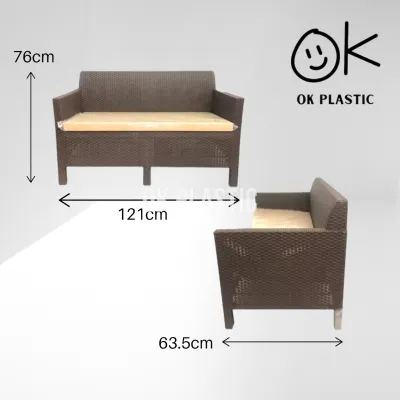
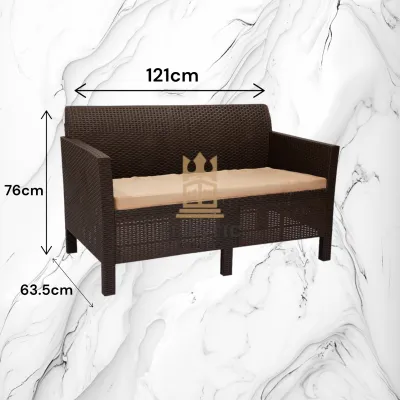
Prices are valid at publication and may change. Please refer to the product page for the latest price.
To maintain a comfortable and breathable home, interior designers rely on a fundamental floor-to-furniture ratio. In small living spaces, you should aim to leave 40% to 50% of the floor area completely clear of any furniture. In a 20 square meter room, this means your combined furniture pieces—including the sofa, coffee table, TV console, and dining set—should occupy no more than 10 to 12 square meters of floor space. Exceeding this limit creates a claustrophobic environment where you are constantly maneuvering around obstacles.
Identifying your room’s natural focal points is the next critical step. In most modern condos, the TV accent wall or a large window overlooking the city skyline serves as the primary anchor. Your sofa placement must align with these features without blocking essential pathways. If your layout features a sliding glass door leading to a balcony, placing a wide sala set directly in front of it will restrict natural light and impede your access to the outdoor space. You must map out these architectural boundaries before browsing furniture catalogs.
Ideal Rattan Sofa Dimensions and Layouts for Small Spaces
Selecting the right configuration requires balancing seating capacity with physical footprint. Rattan’s unique structural properties offer distinct advantages for small-space design, provided you select the correct dimensions.

Compact 2-Seater and Apartment-Size Sofas
For a 20 square meter layout, a compact 2-seater rattan sofa is often the most practical centerpiece. Look for models with an overall length of 1.5 to 1.8 meters and a shallow depth of 0.8 to 0.9 meters. Because rattan frames are structurally strong without requiring thick, heavy padding, they often feature slim armrests. This design characteristic maximizes the actual seating area within a smaller external footprint. A fabric sofa with wide, rolled arms might take up 2 meters of wall space while offering the same seating width as a 1.6-meter slim-profile rattan sofa.
Small L-Shaped and Modular Configurations
If you prefer a layout that allows you to stretch out, a small L-shaped rattan sectional can work, provided the chaise portion is compact. Keep the total length of the chaise under 1.5 meters to prevent it from jutting too far into the center of the room. It is highly recommended to choose a modular or reversible chaise design. This flexibility allows you to move the footrest or chaise section to either the left or right side, ensuring you do not accidentally block the pathway to your balcony, kitchen, or bedroom entrance if you decide to rearrange the room later.
Loveseat and Accent Chair Combinations
Instead of committing to a single massive sofa, consider pairing a compact loveseat (around 1.4 meters in length) with one or two lightweight rattan accent chairs or woven poufs. This arrangement distributes the seating weight around the room and creates a more conversational atmosphere. Woven poufs and lightweight single-seater chairs are incredibly easy to move. You can tuck them into corners when you need open floor space for daily activities, or pull them center-stage when hosting guests for a weekend gathering.
A Note on Standard Sala Sets and Specific Collections
When searching for specific options, such as a Jolly rattan sofa sala set or other popular local brands, pay close attention to the manufacturer’s spec sheets. In the Philippines, the term “sala set” traditionally refers to a matching suite that includes a large 3-seater sofa, two armchairs, and a bulky center table. While these traditional configurations are excellent for spacious suburban houses, they will easily overwhelm a 20 square meter condo. If you are purchasing a pre-packaged set, verify that the pieces are explicitly labeled as apartment-size or compact, and do not hesitate to purchase individual pieces separately to customize your layout.
Clearances, Walkways, and Condo Delivery Checks
Even the most beautiful rattan sofa will become a daily frustration if it blocks your movement. Ensuring proper physical clearance is essential for a functional, stress-free living space.
Walkway Clearances
To move comfortably through your living room, you must maintain clear walkways. As a general rule, aim for at least 60 cm to 75 cm of open walking space around the main pathways of the room. This ensures you do not have to turn sideways to walk past the sofa. Between the front edge of your rattan sofa and your coffee table, keep a clearance of 30 cm to 45 cm. This distance is close enough to easily reach a cold drink or a book, yet wide enough to prevent you from knocking your knees when sitting down or standing up.
Coffee Table Pairing
Traditional rectangular coffee tables can feel incredibly restrictive in a narrow condo layout. Instead, consider pairing your rattan sofa with nesting tables, oval-shaped coffee tables, or small, round rattan stools. Rounded edges are much friendlier in tight spaces, eliminating sharp corners that can cause painful bumps in the dark. Nesting tables are particularly useful because you can slide the smaller table underneath the larger one when you need to clear floor space for stretching, cleaning, or welcoming guests.
Delivery Access and Rigid Frames
One of the most overlooked aspects of purchasing furniture for a condo is the delivery process. Unlike modern fabric sofas that often arrive flat-packed or feature removable backs and legs, natural rattan furniture is typically constructed with a rigid, fully assembled frame. This structural integrity means the sofa cannot be bent, squeezed, or disassembled to fit through tight spaces. Before finalizing your purchase, measure your condo’s service elevator dimensions, the width of the hallways, and the clear opening of your unit’s main door frame, which typically ranges from 80 cm to 90 cm. A rigid 2-meter rattan sofa may be impossible to maneuver around tight hallway corners, leaving you with an expensive return hassle.
Maximizing Visual Space and Caring for Rattan
Beyond physical dimensions, the visual weight of your furniture plays a massive role in how spacious your condo feels. Additionally, proper maintenance ensures your investment lasts for years in a tropical high-rise environment.
Visual Lightness
Rattan is naturally suited for small spaces because of its visual lightness. The open, woven patterns of wicker and cane allow light and air to flow directly through the furniture, preventing it from acting as a solid visual barrier. When shopping, prioritize rattan sofas that feature exposed, slender legs rather than heavy, skirted bases that sit flat on the floor. Seeing the floor surface extend beneath the sofa tricks the eye into perceiving the room as larger and more open than it actually is.
Color and Cushions
The color palette you choose significantly impacts the room’s atmosphere. Opt for light-colored rattan finishes, such as natural honey, whitewash, soft cream, or light grey. These tones reflect natural light, keeping the space bright and airy. When selecting cushions, avoid thick, overstuffed designs in dark, heavy fabrics. Instead, choose low-profile, firm cushions covered in light, neutral textiles like linen or cotton blends. This keeps the silhouette clean and prevents the sofa from looking like a massive, dominating block in your living room.
Maintenance in a Condo Environment
Condominium units in the Philippines present unique environmental challenges for natural fibers. While our tropical climate is warm, the combination of strong, direct sunlight from large glass windows and dry, continuous air conditioning can take a toll on natural rattan. Placing your sofa directly under or opposite an air conditioning vent can dry out the natural fibers, leading to premature cracking and splitting.
To preserve your sofa, position it away from direct AC drafts and shield it from intense, prolonged afternoon sunlight using sheer curtains. Keep the weaves clean by dusting them regularly with a soft-bristled brush or a vacuum cleaner equipped with a soft brush attachment. For deeper cleaning, wipe the frame with a slightly damp microfiber cloth, avoiding excessive water or harsh chemical cleaners. Always consult the manufacturer’s care instructions for both the rattan frame and the cushion fabrics to ensure proper maintenance.
Common Sizing Mistakes to Avoid in Small Living Rooms
When shopping for a new sala set, it is easy to get swept away by beautiful showroom displays. However, several common sizing mistakes can quickly ruin your condo’s layout.
First, avoid purchasing a standard 3-seater sofa that exceeds 2.1 meters in length. While it may look cozy in a spacious store, it will dominate a 20 square meter room, leaving virtually no space for side tables, walkways, or balanced decor.
Second, do not ignore the depth of the sofa. Many deep-seated rattan designs exceed 95 cm in depth, which severely eats into your central walking path. Stick to a shallower depth of 80 cm to 90 cm to keep the room functional.
Finally, remember to account for the outward flare of the furniture. Woven rattan backs and armrests often curve outward for ergonomic comfort. Always measure the widest points of the sofa—usually the top of the backrest or the outer edges of the arms—rather than relying solely on the base footprint measurements provided on the price tag.
Frequently Asked Questions (FAQ)
Can I use a 3-seater rattan sofa in a 20 sqm living room?
A standard 3-seater rattan sofa, which typically measures over 2.1 meters in length, is generally not recommended for a 20 square meter condo living room. It takes up too much wall and floor space, leaving very little room for walkways, side tables, or an adjacent dining area. A much better approach is to choose a compact 2-seater sofa (1.5 to 1.8 meters) and pair it with a lightweight, movable rattan accent chair. This setup provides flexible seating without making your living room feel cramped.
How do I clean dust from tight rattan weaves in a small condo?
Dusting tight rattan weaves is simple if you use the right tools. Gently run a soft-bristled paintbrush or a vacuum cleaner with a soft brush attachment over the crevices to dislodge accumulated dust. Afterward, wipe the surface down with a clean, slightly damp microfiber cloth. Avoid using excessive water, soaking the frame, or applying harsh chemical cleaners, as these can damage the natural fibers and finish. Always refer to the manufacturer’s care instructions for specific cleaning recommendations.
Community discussion
Share your experience or ask a question. Comments are reviewed before publication.