
To pack efficiently and safely for a household move, you need a strategic mix of storage organizer box sizes. The core rule of packing is matching the volume of your container to the density of your items: heavy, dense belongings like books and kitchenware belong in small boxes, while lightweight, bulky goods like pillows and blankets require larger containers. Choosing the correct sizes prevents structural box failure, protects fragile items from shifting, and ensures that every load remains safe to lift.
Planning your packing strategy around specific box dimensions helps streamline the loading process and protects your investments. By understanding how to distribute weight and verify physical clearances, you can execute a smooth transition to your new home without damaged goods or physical strain.
Core Rules for Matching Box Size to Item Weight
Successfully packing for a move requires understanding the inverse relationship between an item’s density and the required box volume. High-density items exert concentrated pressure on the base of a container. If you place heavy items in a large box, the cumulative weight quickly exceeds safe lifting limits and threatens the structural integrity of the packaging.
Products mentioned in this guide
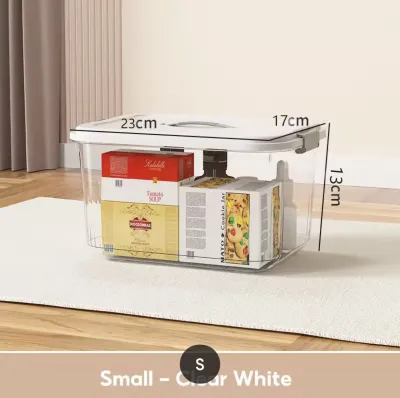
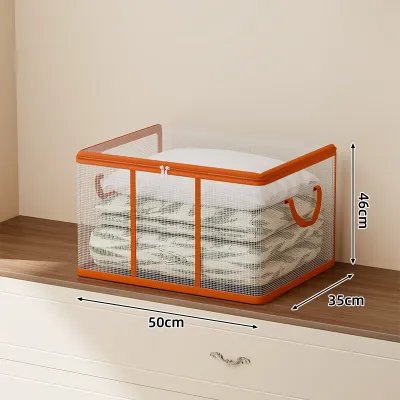
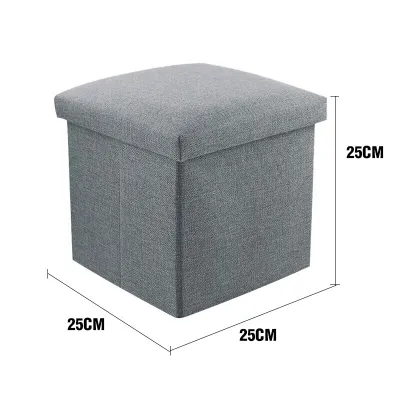
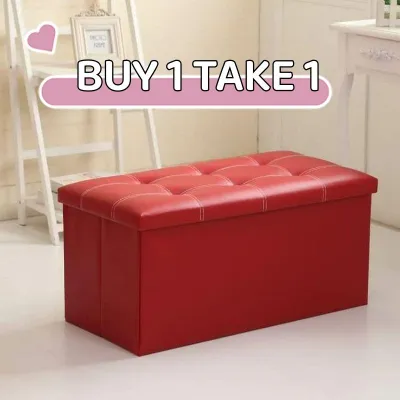
Prices are valid at publication and may change. Please refer to the product page for the latest price.
Ergonomic safety is a primary consideration during any move. A single person should be able to lift and carry each packed container without straining their back or shoulders. Keeping individual box weights within a manageable limit—typically what you can comfortably lift to waist height—reduces the risk of personal injury and accidental drops.
Before packing, perform structural integrity checks on your chosen storage organizer box. Inspect the thickness of the corrugated cardboard or the rigidity of the plastic walls. Pay close attention to the manufacturer’s joints, seams, and handle cutouts. In humid tropical environments, moisture in the air can soften paper-based materials, making it essential to verify that your boxes are dry and structurally sound before loading them.
Selecting Small to Medium Boxes for Heavy Items
Dense household items require compact containment to remain manageable. Books, hand tools, canned pantry goods, and heavy kitchenware like cast-iron pans or stone mortars are highly concentrated in weight. Packing these items in small to medium storage organizer boxes keeps the overall weight of each container within safe handling limits.

When selecting dimensions for heavy items, look for boxes that limit internal movement. A smaller volume naturally restricts how much you can load, preventing the box from becoming an immovable anchor. Medium-sized boxes work well for moderately heavy items or a combination of a few dense objects cushioned by lighter packing materials.
To prevent bottom blowouts, reinforce the base of every cardboard box with high-quality packing tape. Apply the tape in an “H” pattern across the center seam and the side edges. Always check the manufacturer’s weight capacity, which is often printed on the bottom stamp of the box, and avoid exceeding this rating even if there is remaining physical space inside.
Using Large Boxes for Bulky and Lightweight Items
Large storage organizer boxes are designed to maximize space efficiency for low-density belongings. Items such as clothing, bed linens, pillows, comforters, and soft toys take up significant physical volume but carry very little weight. Utilizing large containers for these goods keeps your move organized without creating back-breaking loads.
While filling a large box, continuously monitor its total weight. It is easy to overestimate your lifting capacity when packing a large container with a mix of items. If you begin mixing heavier items into a large box, place them at the very bottom and fill the remaining upper space with lightweight fabrics or cushions to keep the overall weight balanced.
To optimize the interior space of large boxes, consider using compression techniques. Vacuum storage bags are highly effective for reducing the volume of bulky winter wear, spare pillows, and thick blankets. Placing these compressed bags inside your large storage organizer box protects the fabrics from tropical humidity, dust, and pests while allowing you to fit more items securely.
Sizing Boxes for Fragile Goods and Electronics
Fragile items and electronics require specialized box sizing that prioritizes internal clearance over maximum capacity. Glassware, ceramic dishes, porcelain ornaments, and small kitchen appliances need sufficient space on all sides to accommodate protective cushioning materials.
When packing delicate items, ensure there is a clearance of at least two to three inches between the items and the inner walls of the storage organizer box. This empty space must be filled with shock-absorbing materials such as bubble wrap, crumpled packing paper, or foam inserts. If a box is too small, the fragile items will press directly against the outer walls, leaving them vulnerable to external impacts during transport.
For glassware and dishes, utilize boxes equipped with cardboard cell dividers or specialty inserts. These dividers keep individual pieces isolated, preventing them from knocking against one another. For electronics, check the manufacturer’s guidelines to see if the original packaging is available, as custom-molded foam offers the most reliable protection. If standard boxes must be used, select a size that allows for thick wrapping on all sides of the device.
Verifying Clearances and Handling Limits Before Packing
Before sealing and stacking your boxes, verify that your chosen container sizes can navigate the physical pathway of your move. Measure the widths of doorways, narrow hallways, stairwells, and elevator doors at both your current residence and your destination. A box that is too wide or awkward to carry through a tight turn can stall your moving progress.
Calculate the available floor space and height clearance of your moving vehicle or truck. Knowing these dimensions helps you plan how to stack your containers efficiently. Standardized box sizes make it easier to build stable vertical columns, maximizing the vertical space of the vehicle without leaving empty gaps that cause loads to shift.
When stacking boxes, place the heaviest, smallest containers at the bottom of the pile to establish a low center of gravity. Lighter, larger boxes should always go on top. Monitor the stacking height to ensure the lower boxes do not buckle under the weight, and secure the stacks with straps or cargo nets if necessary.
Common Box Sizing Mistakes to Avoid
One of the most frequent moving mistakes is adopting a “one-size-fits-all” approach by purchasing only extra-large boxes. While this might seem convenient during shopping, it inevitably leads to two problematic outcomes: boxes that are far too heavy to lift safely, or partially filled boxes that collapse when other containers are stacked on top of them.
Another common error is ignoring the structural weight ratings printed on the storage organizer box. Cardboard boxes have limits on their bursting test strength and carrying capacity. Overloading a box past these specifications risks tearing the handles or splitting the bottom seams during transit, potentially damaging valuable belongings.
Finally, avoid failing to distribute weight evenly. Instead of packing all your heavy kitchen plates into one massive container, distribute them across several medium-sized boxes. Fill the remaining space in each box with lightweight items like dish towels or sponges. This balanced approach keeps your boxes structurally sound and makes the physical labor of moving much more manageable.
Frequently Asked Questions (FAQ)
Is it better to buy uniform-sized boxes or a mix of sizes?
A strategic mix of box sizes is generally more effective than relying solely on uniform boxes. While uniform boxes are excellent for creating neat, stable stacks in a moving truck, they make it difficult to pack items of varying densities safely. A balanced inventory containing a combination of small, medium, and large boxes allows you to match the container to the specific weight and fragility of your belongings, ensuring both stacking stability and item safety.
How do I know if a packed box is too heavy to lift safely?
You can determine if a box is too heavy by performing a simple lift-and-hold test. Stand close to the sealed box, bend your knees, and attempt to lift it straight up to waist height using your legs. If you feel strain in your back, or if you observe the box sides bulging, the handles stretching, or the bottom tape peeling, the container is overloaded. Reopen the box immediately and redistribute the heavier items into smaller containers.
Community discussion
Share your experience or ask a question. Comments are reviewed before publication.