
The best small folding table for a Philippine balcony setup is one that maximizes your limited outdoor floor area while withstanding high humidity, intense tropical sun, and sudden downpours. For extremely tight spaces, a railing-mounted folding table offers the ultimate space-saving solution by keeping the floor completely clear. If your building administration prohibits hanging fixtures, or if you have a glass balustrade, a heavy-based freestanding drop-leaf table provides the necessary stability and flexibility without violating property rules. Choosing the right option requires balancing your specific balcony dimensions, the structural design of your railing, and the durability of the materials against the local climate.
Assessing Your Balcony Space and Layout
Before browsing online marketplaces or visiting local furniture showrooms, you must obtain precise measurements of your balcony. Start by measuring the absolute length and width of the floor space using a physical measuring tape. Actual finished dimensions can vary slightly from developer floor plans due to plastering and tiling.
When calculating the usable area, you must account for the swing path of your balcony doors. A standard swing door requires a clear arc that can easily collide with a poorly placed table. If you have sliding glass doors, you enjoy more flexibility, but you must still keep a clear walkway of at least 60 centimeters to move in and out comfortably.
Products mentioned in this guide
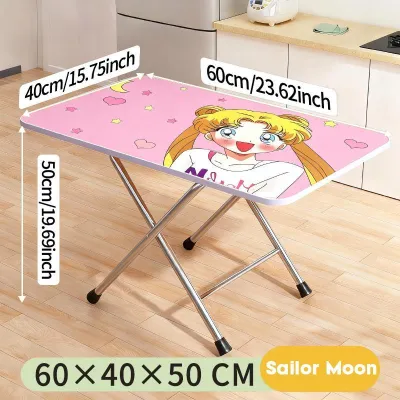
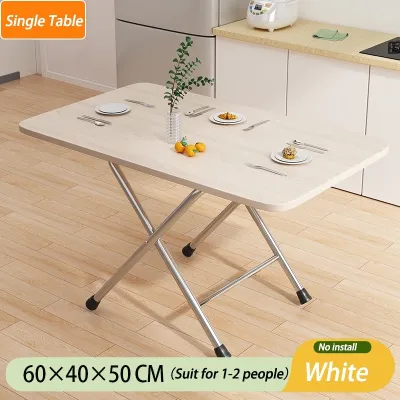
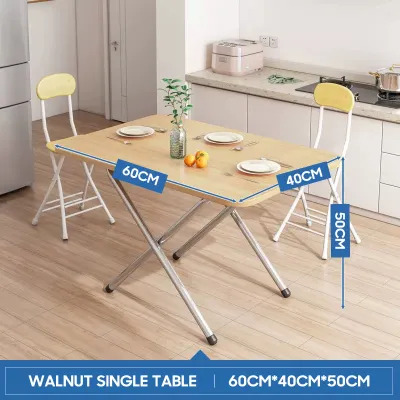
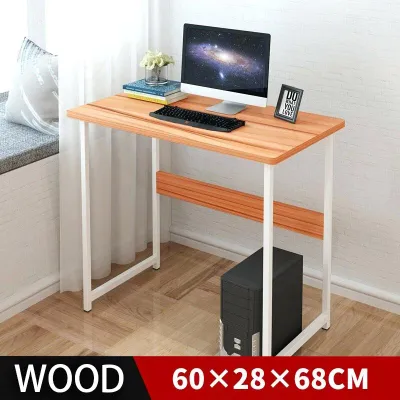
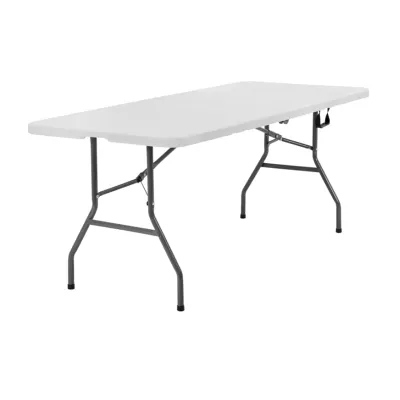
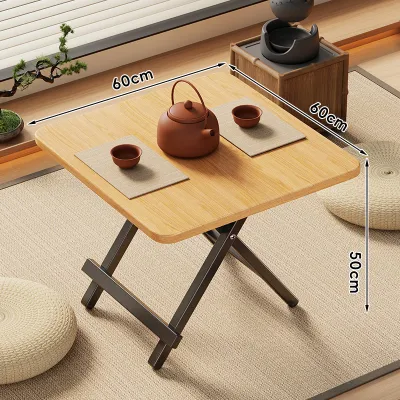
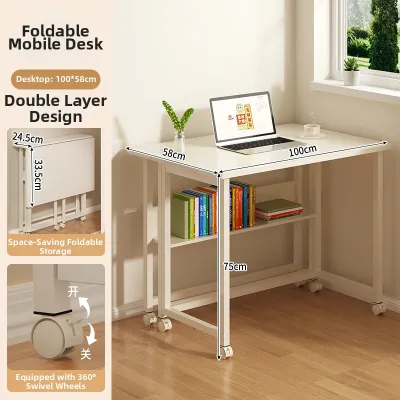
Prices are valid at publication and may change. Please refer to the product page for the latest price.
Next, identify any permanent fixtures that share the space. Air conditioning condenser units, drainage pipes, wall-mounted light fixtures, and laundry drying racks all compete for precious square centimeters. Mark these zones to ensure your table does not block utility access or restrict air conditioner airflow.
If you are considering a railing-mounted table, the physical characteristics of your balcony railing are critical. Measure the width of the top rail, as mounting brackets must wrap securely around this profile. Note whether your railing is round, square, or a flat wide ledge, and check for any decorative metalwork that might prevent a bracket from sitting flush.
Finally, consult your condominium’s Property Management Office (PMO) or building administration handbook. Many residential towers in the Philippines enforce strict guidelines regarding outdoor spaces to maintain structural safety and aesthetic uniformity. Some buildings strictly prohibit drilling into exterior walls, while others ban any furniture that hangs over or attaches to the balcony railings due to safety hazards during high winds. Understanding these rules beforehand prevents costly purchasing mistakes and potential fines.
Types of Small Folding Tables for Balconies
Small folding tables come in several distinct configurations, each designed to address specific spatial challenges and lifestyle preferences. Understanding how these mechanisms operate allows you to select a design that integrates seamlessly into your daily routine.

The primary goal of a folding table in a compact outdoor setting is to reclaim floor space when the table is not in use. Some models fold completely flat and must be leaned against a wall or stored indoors, while others remain semi-permanent fixtures that drop down parallel to the wall or railing.
When evaluating different types, you must balance convenience with structural stability. A table with fewer moving parts generally offers greater rigidity, whereas highly adjustable models provide superior space-saving capabilities but may require more frequent maintenance of their hinges and locking pins.
Your choice should align with how you intend to use the balcony. If you envision a cozy spot for morning coffee or remote work, a small bistro-style folding table is ideal. For evening drinks or a casual bar setup, a high-top railing table or a narrow console-style folding table provides the perfect elevated surface.
Railing-Mounted and Wall-Mounted Options
Railing-mounted tables are exceptionally popular for narrow balconies because they eliminate the need for table legs, leaving the floor completely open for chairs or legroom. These tables hang over the top rail via adjustable brackets, supported by a lower brace resting against the vertical balusters.
Before purchasing, you must verify that the mounting hardware is compatible with your specific railing profile. Many manufacturers provide adjustable clamps that accommodate railing widths from 2 to 15 centimeters, but you must check the product specifications to confirm. If your balcony features a solid concrete parapet or a glass panel, standard railing brackets will not work, and you will need to look for specialized mounting systems or alternative designs.
Wall-mounted drop-leaf tables are another excellent option if your building administration allows drilling into exterior walls. These tables are permanently anchored to the wall and can be folded down flat when not in use. When installing either a wall or railing mount, always check the manufacturer’s stated load capacity. These systems are generally designed for light dining, laptops, or drinks, and overloading them can damage the mounting brackets or compromise the structural integrity of your balcony railing.
Ensure the folding mechanism is smooth and easy to operate. Look for tables with simple pull-release pins or spring-loaded brackets that allow you to fold the tabletop down with one hand. This convenience is crucial in the Philippines, where sudden afternoon rain showers require you to quickly secure your outdoor setup.
Freestanding and Drop-Leaf Designs
Freestanding folding tables offer the greatest flexibility, as they can be moved around the balcony or brought indoors when needed. These designs require no structural attachment, making them excellent for renters or buildings with strict PMO rules.
A key consideration for freestanding tables on elevated balconies is wind resistance. Lightweight plastic or thin aluminum tables can easily tip over or slide during strong gusts, which are common on higher floors of high-rise buildings. Look for tables with a slightly heavier base or a wider leg stance to lower the center of gravity.
Drop-leaf and gate-leg designs are particularly versatile. A drop-leaf table features a fixed center section with one or two hinged panels that can be raised or lowered as needed. This allows you to use the table half-open against a wall for a solo workspace, or fully extended when hosting a guest.
Fully collapsible scissor-leg tables are another classic option. These tables fold completely flat in one motion, allowing you to slide them behind a sofa or store them in a utility closet when the balcony is needed for drying laundry or other activities. The trade-off is that you must find a dedicated storage spot for them, whereas drop-leaf tables can remain in place even when folded.
Material and Weather Resistance Checks
The tropical Philippine climate presents unique challenges, as high humidity, intense UV radiation, and heavy seasonal rainfall rapidly degrade substandard materials. To ensure your small folding table lasts, you must carefully inspect the material specifications provided by the manufacturer.
Wood is a popular choice for its natural warmth and aesthetic appeal, but not all wood species are suitable for outdoor use. Look for dense hardwoods like acacia, eucalyptus, or teak, which naturally contain oils that resist moisture and insect damage. Even with these natural properties, outdoor wooden tables require regular maintenance. Check if the wood is pre-treated, and reapply outdoor-grade wood oil annually to prevent cracking.
Metal tables offer excellent durability and a modern look, but rust is a constant threat in humid environments. Avoid untreated iron or standard steel. Instead, look for powder-coated aluminum or stainless steel hardware. Powder coating creates a protective barrier that shields the underlying metal from moisture and oxygen. When reviewing product descriptions, look for terms like “rust-resistant powder coat” or “marine-grade hardware” to ensure the hinges and screws will not seize up or leave rust stains on your balcony floor.
High-density polyethylene (HDPE) and other engineered plastics are highly practical options for low-maintenance balcony setups. These materials do not rust, rot, or require sealing. However, cheap plastics can become brittle and discolor under prolonged exposure to the intense Philippine sun. Verify that the plastic components are UV-stabilized or UV-resistant to ensure they maintain their structural integrity and color over years of sun exposure.
Pay close attention to the hardware and moving parts of the folding mechanism. Hinges, brackets, and locking pins are the most vulnerable points of any folding table. Ensure these components are made of corrosion-resistant materials like stainless steel or brass. If the manufacturer does not specify the hardware material, it is wise to ask or look for close-up product photos to assess the quality of the joints.
Building Your Shortlist: Key Features to Compare
Once you have measured your space and decided on the table type and material, you can begin compiling a shortlist of potential products. A structured comparison framework helps you choose objectively based on practical utility rather than aesthetics alone.
Start by comparing the folded and unfolded dimensions of each candidate table against your balcony measurements. Ensure that when the table is fully extended, there is still enough room for your chairs and comfortable movement. Conversely, check the folded depth of the table; a railing table that still protrudes 20 centimeters when folded might still block a narrow walkway.
Next, evaluate the weight capacity of each model relative to your intended activities. A capacity of 10 to 15 kilograms is sufficient for a laptop and coffee, but hosting casual dinners requires a sturdier table rated for 30 kilograms or more. Never exceed the manufacturer’s recommended weight limit, especially on mounted models.
Consider the assembly requirements before making your purchase. Many freestanding folding tables arrive fully assembled and ready to use out of the box. In contrast, railing-mounted and wall-mounted tables usually require some assembly and installation. Review the product manual or description to see if the necessary mounting hardware, such as wall anchors or railing clamps, is included. If you are not comfortable using a drill or leveling a wall mount, you may need to budget for professional installation services.
Finally, compare the financial aspects of your choices. Look at the total price in ₱, keeping in mind that high-quality, weather-resistant materials like teak or stainless steel will carry a premium but offer a longer lifespan. Check the seller’s return policy, particularly regarding manufacturing defects or shipping damage, which can occasionally occur with heavy furniture items. A warranty of at least six months to a year on structural components provides peace of mind and indicates the manufacturer’s confidence in their product’s durability.
Maintenance and Storage for Outdoor Use
Proper maintenance is essential to extend the life of your balcony folding table and keep it looking its best. Even the most durable outdoor materials benefit from regular care and protection from extreme weather conditions.
Follow the manufacturer’s cleaning instructions. For most surfaces, a wipe-down with a soft cloth, mild soap, and warm water removes dust and rain spots. Avoid using abrasive scrubbing pads or harsh chemical cleaners, which can scratch protective powder coatings or strip away wood sealants.
During the typhoon season in the Philippines, high winds and torrential rains can turn unsecured balcony items into dangerous projectiles. It is highly recommended to fold your table and store it indoors or in a protected utility area when severe weather warnings are active. If you have a railing-mounted table that cannot be easily removed, ensure it is folded down flat and secured with a heavy-duty strap to prevent the wind from catching it.
Periodically inspect the moving parts, hinges, and locking mechanisms of your folding table. Dust and moisture can accumulate in these joints, leading to stiffness or corrosion. Apply a small amount of silicone-based lubricant or multi-purpose oil to the hinges once or twice a year to keep the folding action smooth. Check all screws and bolts regularly, as they can loosen over time with repeated folding and unfolding, and tighten them gently with the appropriate tools to maintain structural stability.
Frequently Asked Questions (FAQ)
Can I install a railing table on a glass balcony panel?
Installing a railing-mounted table directly onto a glass balcony panel is generally not recommended and can be highly dangerous. Glass balustrades are designed to withstand wind loads and accidental impacts, but they are not engineered to handle the localized clamping pressure and downward leverage exerted by a loaded table. Clamping brackets onto the top rail of a glass panel can create severe stress concentration points, risking structural failure or shattering the glass. Always consult your building management or a structural professional before attempting any installation on glass. For glass-panel balconies, a freestanding folding table or a wall-mounted drop-leaf table (anchored to a concrete wall) is a much safer alternative.
How do I prevent a freestanding folding table from blowing over?
To prevent a freestanding folding table from tipping over in high winds, start by choosing a model with a heavy, stable base made of materials like powder-coated steel or solid hardwood. Avoid extremely lightweight plastic tables unless you plan to store them indoors immediately after use. You can also look for tables that feature built-in tie-down points or secure them to your balcony railing using heavy-duty bungee cords or outdoor straps when not in use. If your table has hollow legs, check if the manufacturer allows adding sand or weights inside them to lower the center of gravity. Ultimately, the safest practice during severe weather or high-wind alerts is to fold the table flat and store it securely inside your home.
Community discussion
Share your experience or ask a question. Comments are reviewed before publication.