
Finding the ideal small stool chair for a compact kids’ study corner requires balancing a minimal physical footprint with physical stability. In space-constrained environments, such as urban condominiums or shared bedrooms in the Philippines, a bulky office chair can quickly block walkways and make a room feel cramped. A compact stool offers a practical alternative by providing dedicated seating that can slide completely out of sight when homework is finished.
To make this setup work, the stool must align with both the desk’s dimensions and the child’s physical height. Selecting the right model involves verifying specific measurements, checking safety certifications, and evaluating how the stool interacts with your bedroom floor. By focusing on these practical checks, you can create an organized, distraction-free study space that supports your child’s daily learning routine without sacrificing valuable floor space.
Measure the Bedroom Study Corner Before Shopping
Before browsing online marketplaces or local showrooms, establish the exact physical boundaries of your study corner. Measure the desk’s under-clearance—the open space beneath the desktop. Record the height from the floor to the lowest point under the desk, noting if a drawer, apron, or support beam lowers this clearance. Next, measure the width between the desk legs and the depth from the front edge to the back wall. These figures define the maximum outer dimensions your stool can have to tuck away completely.
Products mentioned in this guide
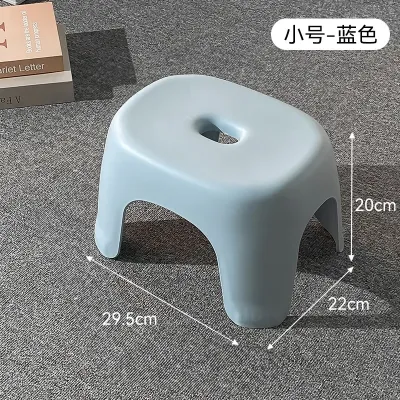
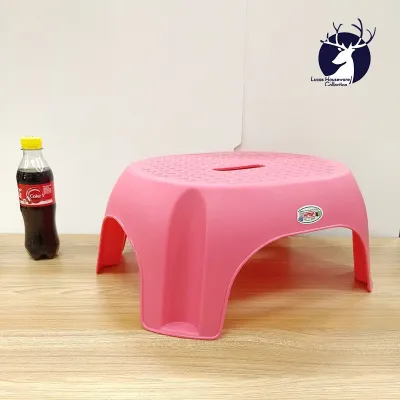
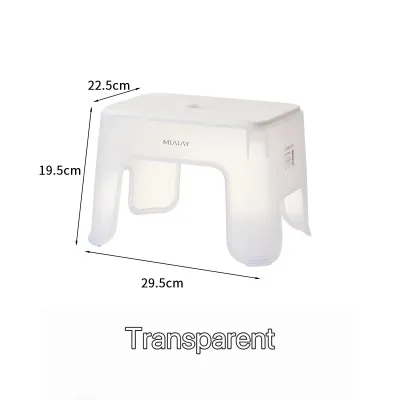
Prices are valid at publication and may change. Please refer to the product page for the latest price.
Beyond the desk, account for the surrounding bedroom layout and daily traffic. Measure the clearance required for nearby wardrobe doors to swing open, drawers to pull out, and family members to walk past. If the study corner is near a doorway, ensure the stool’s footprint does not obstruct the entry path when in use.
Finally, examine the floor surface, as it affects both seat height and stability. A thick rug can cause stool legs to sink, reducing effective seat height and making it harder to slide the chair. Conversely, smooth tile or polished wood floors require reliable grip to prevent sliding. Noting these conditions beforehand helps you choose the right base style and protective accessories.
Space-Saving Stool Types for Tight Layouts
Different stool designs offer distinct advantages depending on how you plan to manage your limited bedroom space. Understanding these categories helps you balance portability, storage convenience, and structural stability for daily study sessions.

Tuck-Away and Stackable Options
Tuck-away stools feature simple, vertical profiles that slide entirely beneath the desk when not in use. To ensure a seamless fit, check that the stool’s total height is at least 20 to 25 centimeters lower than the underside of the desk. This gap provides comfortable thigh clearance while allowing the stool to slide under without scraping the wood.
Stackable stools are highly beneficial if the study corner is shared or serves multiple purposes. When study time is over, these stools stack vertically, freeing up floor space for play. When evaluating stackable models, check the manufacturer’s specifications for frame stability to ensure a single stool remains stable and secure during daily use.
Mobile and Adjustable Options
Stools with casters offer excellent mobility, allowing a child to pull up to the desk or push the stool aside easily. However, in tight spaces, unrestricted rolling can cause distractions or minor accidents. If you choose a mobile stool, look for weight-activated locking casters that lock automatically when weight is applied, preventing the stool from rolling away during use.
Adjustable height stools, often utilizing a pneumatic gas lift, allow the seat to grow with your child. However, these mechanisms typically require a wider, heavier base to maintain stability at higher settings. Before choosing an adjustable model, verify that this wider base fits comfortably between the desk legs without restricting legroom.
Ergonomic and Safety Checks for Children
A small stool chair must support your child’s growing body and remain stable during active use. To maintain proper posture, the seat height should allow your child’s feet to rest flat on the floor with knees bent at a 90-degree angle. Simultaneously, the desk surface should align with their elbows, preventing slouching or shoulder strain during writing or typing.
Because children naturally shift weight and reach for school supplies, physical stability is paramount. Examine product specifications for a wide, low center of gravity and a sturdy base design that resists tipping. Avoid stools with narrow legs or top-heavy designs, which can tip over if a child leans to grab a book.
Always inspect the bottom of the stool legs for appropriate floor contact. For hard bedroom floors common in tropical climates, such as ceramic tile or polished concrete, look for non-slip rubber or polyurethane foot pads to keep the seat in place. If the room has wood flooring, ensure the pads are non-marring to prevent scratches.
Lastly, never rely solely on visual size when judging suitability. Locate the manufacturer’s product label or specification sheet to verify the official weight capacity and recommended age range. Ensuring the stool is rated for your child’s current weight and developmental stage is a critical step in preventing structural failure or balance issues.
Material and Maintenance Checks for Daily Use
In a child’s bedroom, furniture must withstand daily wear, occasional spills, and creative projects. Rather than assuming a material is durable based on its name alone, check the product description for specific surface treatments. Look for scratch-resistant coatings, water-resistant sealants, or easy-wipe finishes on wooden or plastic components, which protect the stool from humid tropical air and daily use.
The choice between upholstered and hard surfaces significantly impacts maintenance. While padded fabric seats offer comfort, they absorb sweat in warm climates and stain easily from ink or snacks. If you prefer a cushioned seat, look for wipeable synthetic leather or removable, washable fabric covers. Hard surfaces like molded plastic or sealed wood are exceptionally easy to sanitize but may require a separate, washable seat pad for comfort during longer study sessions.
Additionally, prioritize safety by checking the product packaging or documentation for non-toxic material certifications. Ensure that any paints, varnishes, or plastics used in the stool’s construction are certified free from harmful chemical emissions. This check is particularly important in small, air-conditioned bedrooms where ventilation might be limited during study hours.
Common Space-Matching Mistakes to Avoid
One of the most frequent errors when selecting a small stool chair is overlooking the desk’s internal structural supports. Many desks feature horizontal crossbars, modesty panels, or low-hanging drawer units that do not appear in basic width and height listings. Always look under your desk and measure around these obstacles to ensure they will not block the stool from sliding fully into its storage position.
Another common mistake is choosing a stool with decorative armrests or a wide, flared backrest. While these features look comfortable, they often prevent the stool from tucking under the desk, leaving the seat protruding into the room’s main walkway. For tight study corners, a backless or low-profile design is more practical as it eliminates these physical obstructions entirely.
Finally, avoid ignoring the visual weight of the stool within the bedroom layout. A dark, bulky, or overly ornate stool can make a small corner feel cluttered and visually heavy, even if it fits the physical dimensions. Opting for clean lines, light wood tones, or neutral colors helps the stool blend seamlessly into the room, maintaining an open and calming atmosphere.
Frequently Asked Questions (FAQ)
Can a backless stool provide enough support for long study sessions?
Backless stools are excellent for short to medium study intervals, as they encourage active sitting and help strengthen core muscles. However, for extended homework sessions lasting more than an hour, a backless design can lead to fatigue as the child’s back muscles tire. To support longer study periods, encourage your child to take short stretch breaks every thirty minutes, or consider a stool with a low, supportive lumbar rest that still fits under the desk.
How do I prevent a lightweight stool from sliding on hard bedroom floors?
To stabilize a lightweight stool on smooth surfaces like tile or laminate, check the legs for worn or missing protective pads. Replacing them with high-grip silicone or rubber furniture cups can instantly increase traction without damaging the floor. Alternatively, placing a low-profile, non-slip study mat under the desk and stool area provides a defined workspace, protects the floor from scratches, and keeps the stool securely positioned during use.

Community discussion
Share your experience or ask a question. Comments are reviewed before publication.