
Fitting a comfortable sofa into a 20 square meter condo living room requires balancing seating capacity with open floor space. The ideal setup typically centers on a compact two-seater sofa or a highly flexible modular design that keeps the total length under two meters. By choosing a piece with a shallow depth and a raised base, you can preserve essential walking paths while creating a welcoming, uncluttered environment.
How to Measure Your 20 Sqm Space for a Sofa
Before browsing online marketplaces or visiting local showrooms, establish the maximum footprint your living room can accommodate. Measure the length and width of the designated wall or corner. Do not rely solely on floor plans, as actual dimensions can vary due to baseboards or columns. Note the location of air conditioning units, light switches, and electrical outlets to ensure your furniture does not block access.
Next, map out clearance zones for daily movement. Standard guidelines suggest maintaining a clear walking path of at least 60 to 75 centimeters between furniture pieces. If your layout includes a balcony door or low-hanging windows, measure the swing radius of these doors and the height of the windowsills. A sofa blocking a balcony exit disrupts natural light and creates a safety hazard.
Products mentioned in this guide
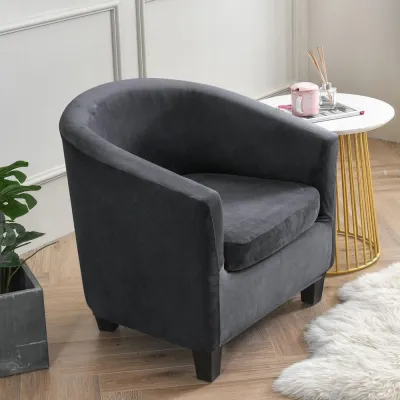

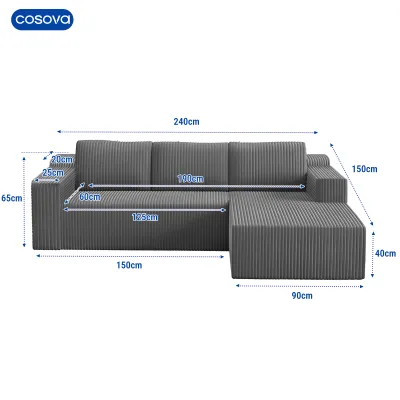
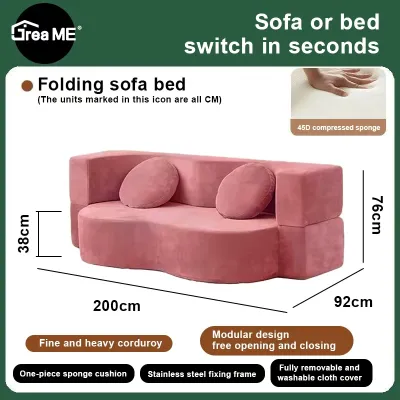
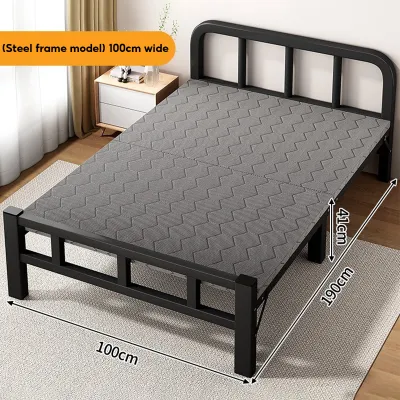

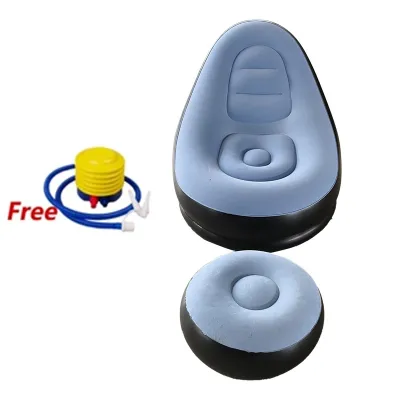
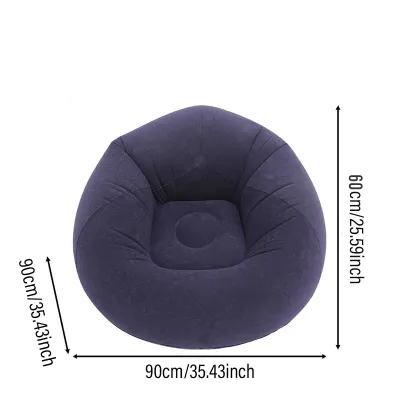
Prices are valid at publication and may change. Please refer to the product page for the latest price.
Finally, measure the entire delivery route from the unloading bay to your unit. High-rise condo living often presents tight logistical bottlenecks. Measure the height, width, and diagonal clearance of the freight elevator doors and interior cabin. Check the width of corridors, sharp turns in stairwells, and your front door frame to prevent the frustration of a sofa that cannot pass through the building’s entrance.
Ideal Sofa Configurations for a 20 Sqm Layout
Designing a small living area requires managing physical and visual weight. While it is tempting to maximize seating with a large couch, an oversized piece can quickly overwhelm a 20 square meter space, making the room feel cramped. The goal is to find a configuration that supports your daily activities without sacrificing precious floor area.

To keep the room feeling airy, pay close attention to design details. Furniture with exposed, raised legs allows light to pass underneath, creating the illusion of more floor space. Similarly, choosing a low-profile backrest keeps sightlines open across the room, which is highly beneficial in open-plan studio or one-bedroom condo units.
2-Seater and Compact 3-Seater Sofas
A classic straight two-seater or a compact three-seater is often the most reliable choice for narrow or rectangular condo layouts. These designs typically range from 1.5 to 1.8 meters in width, making them easy to position against a primary wall. Compare the overall depth of the frame against your room’s width to ensure you still have space for a comfortable viewing distance.
One of the greatest advantages of a compact straight sofa is the flexibility it leaves on either side. By choosing a slightly shorter sofa, you create open pockets of space at the ends of the wall. These gaps are perfect for placing a slim side table, a tall floor lamp, or a potted plant, preventing the furniture from looking crammed wall-to-wall.
L-Shaped and Sectional Sofas
If your 20 square meter space has a square layout or forms part of an open-concept living area, an L-shaped sofa can be highly effective. These configurations naturally define the living zone, acting as a soft barrier that separates the lounge from the kitchen or dining table. The key is selecting the correct chaise orientation based on your room’s entry points.
A poorly positioned chaise can cut off traffic flow or block access to your balcony. Before purchasing, observe where you enter and exit the room. The chaise should ideally extend along a wall or point toward an open, low-traffic corner. If the chaise projects into the room, ensure there is still ample clearance to walk around it.
Modular and Apartment-Sized Sofas
For residents who value adaptability or anticipate moving in the future, modular sofas offer an excellent solution. These systems consist of individual, lightweight sections that can be arranged, separated, or expanded depending on your immediate needs. You can configure them as a compact straight sofa for daily use, or split them into separate chairs when hosting guests.
Beyond layout flexibility, modular designs solve the common headache of navigating tight condo corridors and small elevators. Because the sofa arrives in smaller, individual boxes, maneuvering the pieces through narrow doorways and around tight hallway corners is remarkably easy. This significantly reduces the risk of damaging the walls of your unit or scuffing the upholstery.
Layout Strategies to Maximize Flow and Function
Once you have selected the shape of your sofa, its placement determines how functional your living room will feel. While pushing the sofa flat against the longest wall is the default choice, floating the piece slightly away can improve the room’s dynamics. Leaving a gap of just 10 to 15 centimeters behind the sofa prevents a boxy look and allows curtains to hang naturally.
To maintain visual proportion, pair your sofa with appropriately scaled coffee tables. In a 20 square meter room, a single, massive rectangular coffee table can block movement. Instead, consider using round nesting tables or a slim oval coffee table. These shapes lack sharp corners, making it easier to navigate the tight space in front of the sofa.
Finally, use an area rug to anchor the entire seating arrangement. A common mistake is choosing a rug that is too small, which makes the room look fragmented. Ensure the rug is large enough so that at least the front legs of your sofa rest on top of it. This simple design trick visually binds the furniture together, creating a cohesive zone.
Common Sofa Sizing Mistakes to Avoid in Condos
One of the most frequent errors in small-space design is overlooking the total depth of the sofa. While a deep, plush seat is comfortable, a frame that exceeds 95 centimeters in depth will severely restrict your layout options. It reduces the clearance between the sofa and the television, forcing you to sit too close to the screen.
Another mistake is falling for bulky, overstuffed armrests. Wide, padded arms add significant width to the sofa’s overall footprint without providing any extra seating space. In a tight condo, look for track arms, slim wooden arms, or armless designs. These styles maximize the actual seating area while keeping the external dimensions as compact as possible.
Lastly, never assume a sofa will fit through your building’s access points simply because it fits your living room floor. Always check the manufacturer’s packaging dimensions against your building’s elevator and doorway clearances. Failing to do so can result in expensive return shipping fees, delivery cancellations, or the need to hire specialized hoisting services.
Frequently Asked Questions (FAQ)
Can a sofa with a chaise lounge work in a 20 sqm living room?
Yes, a chaise lounge can work well if you choose a compact model and place it strategically. Opt for a reversible chaise that allows you to move the lounging section to either the left or right side as your layout needs change. Ensure the extended chaise does not block the main walking path from the entrance to the kitchen or balcony, and verify that it leaves enough clearance for any nearby cabinet or balcony doors to open fully.
What upholstery features should I check for a condo with limited ventilation?
In tropical climates with high humidity and limited airflow, check the manufacturer’s labels for breathable, moisture-wicking fabrics. Look for tightly woven linen blends, cotton canvas, or high-performance synthetic fabrics designed to resist mold and mildew. Avoid heavy, non-breathable materials like low-grade synthetic leathers, which can trap heat and feel sticky against the skin. Always review the specific care instructions to ensure the fabric can be easily spot-cleaned or vacuumed to prevent dust buildup.

Community discussion
Share your experience or ask a question. Comments are reviewed before publication.