
Achieving a balanced Japandi aesthetic in the Philippines requires selecting a sofa wood that harmonizes minimalist, warm visual appeal with structural resilience against high tropical humidity. While light-toned woods with visible, subtle grains and matte finishes are traditional hallmarks of this style, the local climate demands careful attention to how the wood is seasoned, sealed, and constructed. By evaluating the wood species, frame construction, and protective finishes, you can find a sofa that maintains its clean lines and structural integrity in a tropical home.
Defining the Japandi Wood Aesthetic
Japandi design merges the warm, rustic simplicity of Scandinavian hygge with the refined, minimalist elegance of Japanese wabi-sabi. In a living room, the sofa wood serves as the visual anchor of this hybrid style. Traditionally, light-toned woods such as ash, beech, white oak, or light pine are favored because they reflect natural light and make living spaces feel open, airy, and calm. These lighter tones complement the neutral color palettes—such as cream, beige, oatmeal, and soft gray—typically used for Japandi upholstery.
However, dark-toned woods like walnut or deep teak are also effective when used intentionally. Instead of overwhelming the room, a darker wood frame provides a grounding contrast that highlights the clean, geometric lines of the furniture. The key to maintaining the Japandi ethos with darker wood is balance; pairing a dark frame with light, textured fabrics ensures the space remains bright and uncluttered.
Products mentioned in this guide
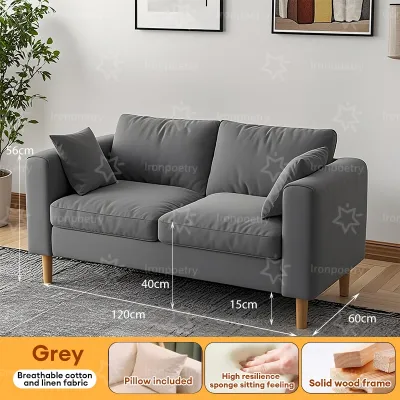
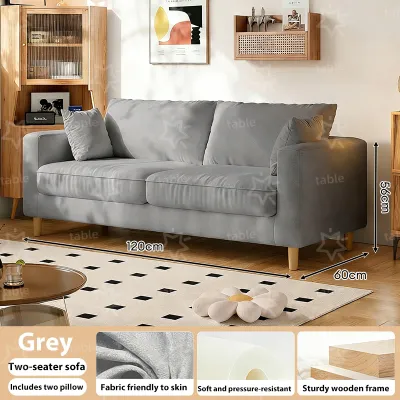
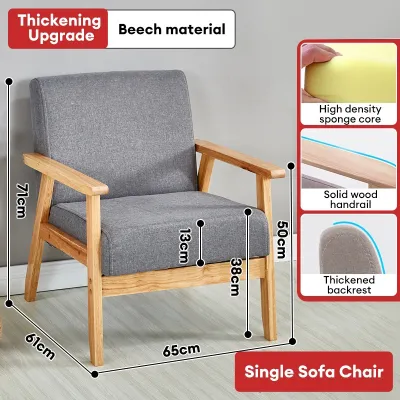
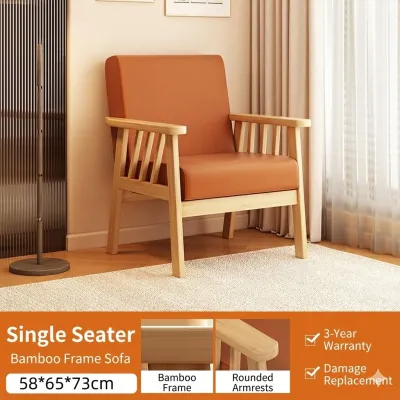
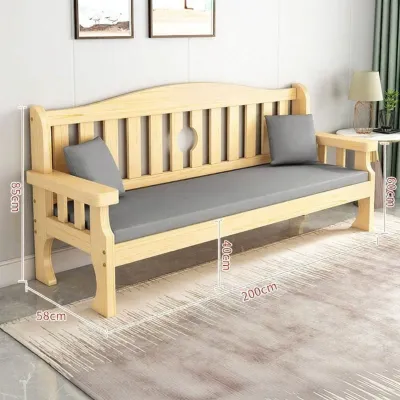
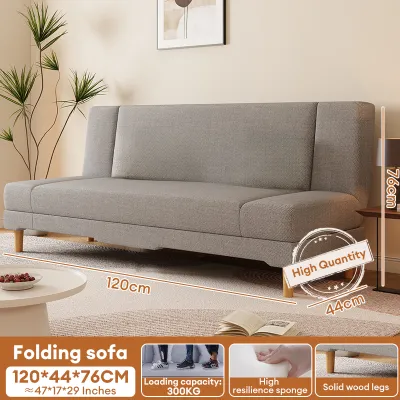
Prices are valid at publication and may change. Please refer to the product page for the latest price.
Regardless of the tone, the finish of the wood is critical. High-gloss varnishes and thick, shiny lacquers detract from the natural, organic feel of the style. Instead, look for matte, satin, or low-sheen finishes that preserve the tactile quality of the wood. The natural grain patterns should remain visible and touchable, celebrating the subtle imperfections of the material rather than hiding them under a thick coating.
Solid Wood vs. Engineered Wood for Sofa Frames
When selecting a sofa wood frame, you will generally choose between solid wood and engineered wood. Solid wood frames are valued for their excellent longevity and structural integrity. A well-constructed solid wood frame can withstand years of daily use and offers the unique advantage of being sandable and refinishable if the surface becomes scratched or worn. However, solid wood sofas are typically heavier, making them harder to rearrange, and they generally require a higher initial financial investment.

Engineered wood, which includes materials like plywood, medium-density fiberboard (MDF), and particleboard, offers a more budget-friendly alternative. High-quality engineered wood can provide excellent dimensional stability because its layered construction resists the natural warping and twisting that can affect solid timber. When opting for engineered wood, it is important to look for high-grade furniture plywood with multiple layers rather than low-density particleboard, which may degrade quickly under structural stress.
To verify what you are actually buying, carefully inspect the product specifications and labels. Many sofas feature a hybrid construction, utilizing solid wood for the visible legs and outer frame while using engineered wood for the internal support structures. Look for explicit terms like “solid hardwood frame” or “furniture-grade plywood” on the manufacturer’s spec sheet. If the sofa features a wood veneer to achieve the Japandi look, check the edges of the frame to ensure the veneer is thick, smoothly applied, and free from peeling or bubbling at the joints.
Managing Tropical Humidity: Evaluating Wood Stability and Finishes
The tropical climate of the Philippines presents unique challenges for wooden furniture. Wood is a hygroscopic material, meaning it naturally absorbs and releases moisture from the surrounding air. In high-humidity environments, raw or poorly sealed wood can swell, while dry spells or air-conditioned rooms can cause it to shrink. This constant movement can lead to warping, joint separation, and structural instability over time.
To mitigate these risks, the protective finish applied to the sofa wood is just as important as the wood species itself. Raw, untreated wood is susceptible to moisture absorption and mold growth in tropical conditions. A proper sealant, such as a polyurethane, acrylic, or specialized furniture oil, acts as a barrier that slows down moisture exchange. When shopping, check the manufacturer’s care instructions to see if the finish is rated for humid environments and whether it requires periodic reapplication to maintain its protective qualities.
During a pre-purchase inspection, use both your eyes and hands to evaluate the quality of the wood’s sealing. Run your fingers along the joints and underside of the frame; these areas should feel as smooth and sealed as the highly visible top surfaces. Look closely for any signs of poor craftsmanship, such as uneven coloration, rough patches, or tiny cracks where moisture could easily penetrate. Avoid frames that show visible gaps at the joints, as these gaps indicate that the wood may have already shifted or that the adhesive used is failing under environmental stress.
How to Evaluate and Select Your Japandi Sofa
Selecting the right Japandi sofa requires a systematic evaluation of both its physical construction and its fit within your home. Begin by examining the joinery of the wood frame. High-quality sofas rely on traditional woodworking joints, such as mortise-and-tenon, dowels, or corner blocks secured with screws and glue. Avoid frames held together solely by staples, nails, or cheap glue, as these are prone to loosening. Gently shake the sofa frame to check for wobbling, creaking, or flexing, which are clear indicators of poor structural stability. Always verify the manufacturer’s stated weight capacity to ensure the frame can safely support your household.
Next, take precise measurements of your living space and compare them to the finished dimensions of the sofa. Beyond the room layout, you must plan the delivery path. Measure the width and height of all doorways, hallways, stairwells, and elevator cabins the sofa must pass through to reach its final destination. A beautiful solid wood sofa is of little use if it cannot clear a tight turn in your staircase or fit through your front door.
Finally, engage directly with the retailer or manufacturer before making your purchase. Ask specific questions about how the wood was seasoned—kiln-dried wood is highly recommended for the Philippines because the drying process minimizes internal moisture and reduces future warping. Inquire about the assembly requirements, especially if the sofa is delivered flat-packed, and clarify what the warranty covers regarding structural defects, wood splitting, or joint failure under normal residential use.
Frequently Asked Questions (FAQ)
Can I use dark wood for a Japandi sofa?
Yes, dark wood can be beautifully integrated into a Japandi living room. While light tones are more common, dark wood frames provide an elegant, grounding contrast. To maintain the minimalist and airy feel of the style, pair a dark wood frame with light-colored, textured upholstery like linen or bouclé, and keep the surrounding decor simple and uncluttered.
How do I clean and maintain oiled wood sofa frames?
To clean an oiled wood frame, dust it regularly with a dry, soft microfiber cloth. Avoid harsh chemical cleaners, ammonia-based sprays, or excessive water, which can strip the protective oil and damage the wood. When the wood begins to look dry, consult the manufacturer’s guidelines for the specific type of furniture oil recommended for reapplication, and apply it sparingly following the grain.
Is rattan or bamboo a suitable alternative to solid wood?
Rattan and bamboo are excellent complementary materials that fit the natural, organic aesthetic of Japandi design. They are lightweight and breathable, making them ideal for tropical climates. However, they generally have lower structural weight capacities than solid hardwood frames, so always check the manufacturer’s weight limits and use them primarily for accent detailing, back panels, or lighter seating.
Community discussion
Share your experience or ask a question. Comments are reviewed before publication.