
The best storage organizer box for packing fragile dishes and glassware during a move is a heavy-duty, double-walled corrugated cardboard box or a rigid plastic container equipped with integrated cell dividers and thick internal padding. During a lipat bahay (relocation) in the Philippines, high humidity and bumpy road conditions can compromise standard containers, making specialized structural support essential. Selecting a box with dedicated compartments prevents delicate items from knocking against each other, while reinforced walls absorb the inevitable vibrations of transit.
Investing in the right container prevents the heartbreak of opening a box at your new home only to find shattered family heirlooms or cracked dinnerware. By understanding the structural differences between various box types and matching them to your specific household items, you can ensure a smooth, damage-free transition.
Assessing Your Fragile Items Before Packing
Before purchasing any storage organizer box, you must categorize your fragile household items to understand their specific structural needs. Grouping your belongings by shape and vulnerability is the first step. Flat ceramics like dinner plates require different support than hollow glassware, mugs, or delicate stemmed wine glasses. Taking an inventory of these items allows you to determine exactly how many divided containers, padded inserts, and standard heavy-duty boxes you will need.
Products mentioned in this guide
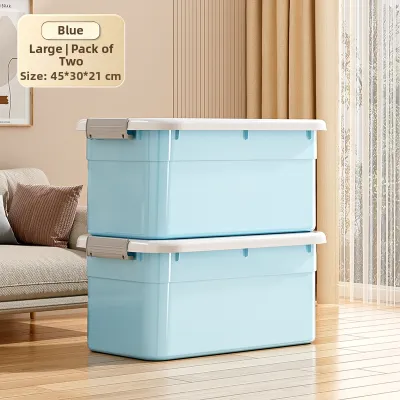
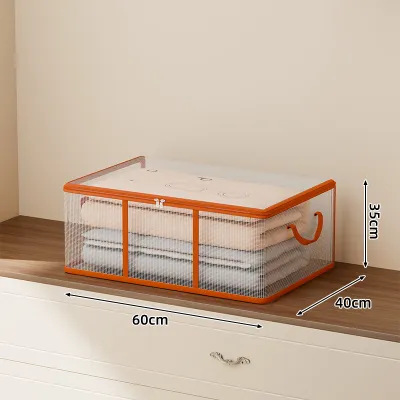
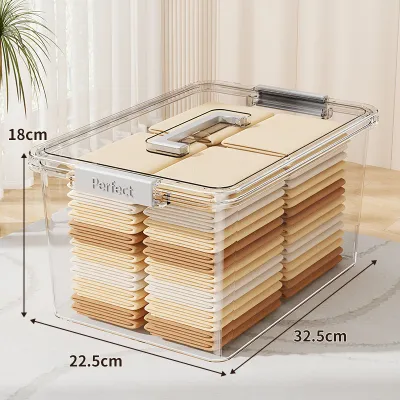
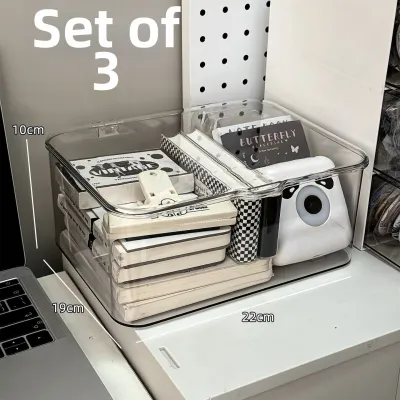
Prices are valid at publication and may change. Please refer to the product page for the latest price.
Weight distribution is another critical factor to evaluate during this initial assessment. Heavy stoneware plates and ceramic serving bowls carry significant mass that can easily crush lighter items if packed together. Conversely, delicate crystal glassware is highly susceptible to pressure and must be isolated from heavier loads to prevent shattering. Mixing these categories in a single container without proper planning often leads to disaster during transit.
Finally, assess the total volume of each category to avoid overpacking. A single large box filled entirely with heavy ceramic plates can easily exceed safe lifting limits, risking physical strain for movers or structural failure of the box itself. Distributing heavy items across multiple smaller containers is a safer strategy for both the handler and the contents. As a general rule, keep the total weight of any single packed box under fifteen kilograms to ensure safe handling.
Key Protection Features in a Storage Organizer Box
When evaluating a storage organizer box for relocation, material rigidity and wall thickness are your primary lines of defense. For cardboard options, look for double-walled corrugated structures, which feature two layers of fluted paper sandwiched between flat liners to provide superior puncture resistance and stacking strength. If you opt for plastic, inspect the container for thick, heavy-duty walls that do not bow or flex when pressure is applied to the sides.

Internal dividers and cell partitions are essential features that transform a basic container into a secure moving box. These inserts create individual compartments for each glass or dish, completely eliminating item-to-item contact. Without these physical barriers, even minor road vibrations during transit can cause micro-fractures that eventually lead to complete breakage. Look for adjustable dividers that can be customized to fit the exact dimensions of your glassware.
Pay close attention to the closure mechanisms and structural joints of the box. A high-quality storage organizer box should feature secure, interlocking lids or deep flaps that can be sealed tightly with heavy-duty packing tape. Reinforced bottom seams are critical to prevent the base from giving way under load, while ergonomic, reinforced handles or hand-holes ensure that movers can maintain a secure grip during transport. For plastic bins, heavy-duty latches that snap securely into place are highly recommended.
Matching Box Structures to Specific Dish and Glass Types
Flat and plate-style items, such as dinner plates, saucers, and shallow platters, should never be stacked flat on top of one another without specialized support. Instead, select a storage organizer box designed with vertical slot dividers. Packing plates vertically on their edges distributes the weight more evenly and utilizes the natural structural strength of the ceramic, significantly reducing the risk of edge chipping and cracking under vertical pressure. Ensure each slot is lined with foam or bubble wrap for maximum protection.
Stemware and handled glassware, including wine glasses, champagne flutes, and delicate coffee mugs, require deep-cell partitions. These items have vulnerable protruding parts that are highly susceptible to snapping under pressure. Look for boxes with adjustable cell inserts that allow you to suspend the stemware, ensuring that the delicate stems do not bear the weight of the glass bowl and that handles do not press against adjacent items. Adding a layer of crumpled paper at the bottom of each cell provides an extra cushion.
Bowls and other stackable hollowware require a different approach that focuses on bottom cushioning and interleaving separators. When nesting bowls, always place a thick layer of foam or bubble wrap between each piece to prevent direct ceramic-to-ceramic contact. The storage organizer box itself should feature a thick, padded bottom insert to absorb vertical shocks from bumpy roads, ensuring that the cumulative weight of the stack does not crush the bottom-most bowl. Avoid nesting more than three to four bowls together to keep the center of gravity low.
Safe Packing and Handling Rules for Relocation
Even the most robust storage organizer box requires proper packing techniques to guarantee the safety of your fragile items. Your primary goal when loading a box is to eliminate all internal movement. Use appropriate void fill, such as crumpled packing paper, foam peanuts, or clean towels, to fill any empty spaces within the compartments, taking care not to over-compress the delicate items themselves. Perform a gentle “shake test” before sealing the box; if you hear any shifting, add more padding.
Adhering to strict weight distribution rules and stacking limits is vital during the loading process. Always place heavier, more robust items at the bottom of the box and lighter, more fragile pieces near the top. When stacking multiple boxes inside the moving vehicle, ensure that heavier plastic containers are placed on the floor, while lighter cardboard boxes are stacked on top to prevent bottom-box crush. Never stack fragile boxes more than three layers high unless they are secured in rigid plastic crates.
Clear communication is the final step in securing your fragile cargo. Clearly label every storage organizer box containing delicate items with bold “FRAGILE” markings and orientation arrows indicating “THIS SIDE UP.” This ensures that family members, helpers, or professional movers handle the containers with the appropriate level of care and stack them in the correct direction. Additionally, list the specific contents on the outside of the box to make unpacking at your new home more organized and efficient.
Frequently Asked Questions (FAQ)
Are plastic storage boxes better than cardboard for fragile items?
Plastic storage boxes offer excellent rigidity, moisture resistance, and long-term reusability, making them highly suitable for protecting items against external impacts and humid tropical conditions. However, because rigid plastic does not yield, it offers very little natural shock absorption, meaning you must use extensive internal padding to protect glassware from internal collisions. Double-walled cardboard boxes, while susceptible to moisture over time, provide superior natural shock absorption and are often more cost-effective for one-time moves, provided they are kept dry.
Can I reuse old delivery boxes for packing dishes?
Reusing old delivery boxes is acceptable only if they pass a rigorous structural inspection. Check the box thoroughly for corner crushes, soft spots, bottom seam weakness, crease fatigue, and any signs of previous moisture damage from storage. If the cardboard feels soft or shows visible bending along the edges, it has lost its structural integrity and should be retired from fragile packing duties in favor of a purpose-built, heavy-duty storage organizer box.
Community discussion
Share your experience or ask a question. Comments are reviewed before publication.