
Setting up a balcony bar in the Philippines requires balancing the desire for chilled drinks with the realities of a tropical climate. A table bar cooler—which often combines a functional tabletop surface with an integrated cold storage compartment—offers a space-saving solution for outdoor hosting. To choose the right unit, you must evaluate how its cooling mechanism, material durability, and physical dimensions align with your specific balcony layout and local weather conditions.
Selecting the ideal appliance involves more than just picking an attractive design. Because balconies are exposed to high ambient temperatures, intense sunlight, and heavy seasonal rains, a standard indoor cooler will not suffice. By focusing on structural compatibility, energy efficiency, and weatherproofing, you can create an inviting outdoor entertainment nook that performs reliably year-round.
Defining Your Balcony Bar Requirements
Before evaluating specific table bar cooler models, you must thoroughly assess the physical and structural limitations of your balcony. Many residential balconies, particularly in high-rise condominiums or urban townhouses, have strict weight-bearing capacities. A fully loaded cooler containing ice, glass bottles, and canned beverages can weigh significantly more than an empty unit. Check your building’s structural guidelines or consult the property management office to verify the maximum allowable floor load before introducing heavy appliances.
Products mentioned in this guide
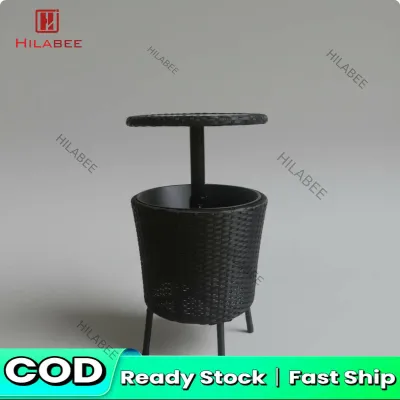

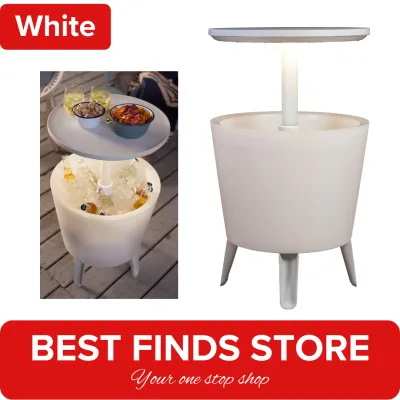
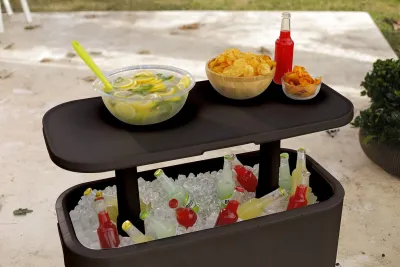
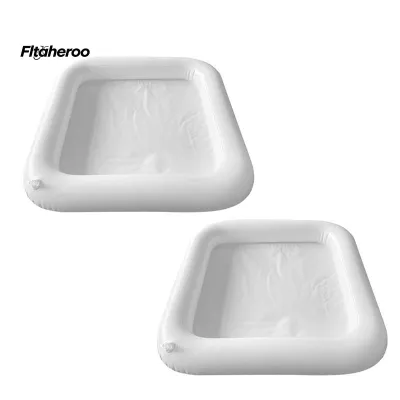
![[LEH4]2 PCS 24Inch Inflatable Serving Bar Drinks Inflatable Cooler Table Pool Ice Tray for PartyPicnic & Camping](https://img.lazcdn.com/g/p/6515c0b792a1f12e458d30197eebb6d5.jpg_400x400q80.jpg_.webp)
Prices are valid at publication and may change. Please refer to the product page for the latest price.
In addition to weight, the physical footprint of the cooler must be carefully measured against your available floor space. A balcony bar should remain a comfortable, walkable area rather than a cramped storage zone. Ensure that the cooler does not obstruct primary walkways, emergency exit routes, or access to essential utilities like air conditioning condenser units and drainage ports. Marking the proposed footprint on the balcony floor with painter’s tape can help you visualize the remaining clearance for seating and movement.
Your entertaining style and typical guest count will dictate the required internal storage capacity of the cooler. If you primarily use your balcony for quiet evening relaxation or intimate dinners, a compact cooler with a capacity of 30 to 40 liters may be perfectly adequate. However, if you frequently host weekend gatherings with family and friends, you will likely require a larger unit of 60 liters or more to avoid constant trips to your indoor kitchen. Balancing your storage needs with your spatial limits prevents you from purchasing an oversized unit that dominates the entire balcony.
Finally, consider how the cooler will be used throughout the week. A dual-purpose unit that functions as a coffee table or a high-top bar table when closed, but opens to reveal a cooler basin, offers excellent versatility for multi-functional spaces. If your balcony serves as a morning workspace, a yoga area, and an evening lounge, prioritizing convertible furniture designs ensures that the cooler remains useful even when you are not actively hosting a party.
Core Selection Criteria for Outdoor and Semi-Outdoor Spaces
The harsh tropical climate of the Philippines demands materials that can withstand intense ultraviolet (UV) radiation, high humidity, and salt-laden air in coastal regions. When reviewing product specifications, look for exterior materials engineered specifically for outdoor use. High-density polyethylene (HDPE) with built-in UV inhibitors is highly resistant to fading, cracking, and warping under direct sunlight. If you prefer a modern metal aesthetic, prioritize marine-grade stainless steel or powder-coated aluminum, which offer superior resistance to rust and corrosion compared to standard steel.

Electrical safety is a non-negotiable factor when installing any active appliance on a semi-outdoor balcony. If you choose a plug-in refrigerated unit, verify its Ingress Protection (IP) rating or look for explicit manufacturer documentation certifying outdoor safety. An IPX4 rating, for example, indicates that the appliance can resist water splashes from any direction, making it far safer during sudden afternoon downpours. Avoid using units designed strictly for indoor use, as moisture accumulation can cause short circuits, electrical shocks, or permanent damage to the control board.
Proper ventilation is critical to the longevity and efficiency of any refrigerated table bar cooler. Active cooling systems generate heat as they extract warmth from the interior compartment, and this heat must be dissipated into the surrounding air. If you plan to place the cooler in a corner, under a counter, or flush against a balcony wall, you must verify the unit’s ventilation design. Front-breathing units are engineered to draw in and exhaust air from the front grille, making them suitable for built-in applications, whereas back- or side-venting models require substantial open space around them to prevent overheating.
Always verify the manufacturer’s warranty terms regarding outdoor installation. Many standard appliance warranties are voided if the product is operated outdoors or in semi-exposed environments. Choosing a model specifically rated and warrantied for outdoor use provides peace of mind and ensures that you can access replacement parts or professional service if the tropical humidity eventually affects the internal components.
Comparing Cooling Technologies and Power Efficiency
When selecting an active table bar cooler, you will generally choose between compressor-based refrigeration and thermoelectric cooling systems. Compressor-based systems operate similarly to standard household refrigerators, utilizing a compressor and refrigerant to actively lower the internal temperature. These systems are highly powerful and can maintain ice-cold temperatures even when the ambient outdoor temperature exceeds 30°C. This makes compressor models the most reliable choice for the consistently hot and humid climate found throughout the Philippines.
Thermoelectric coolers, on the other hand, use the Peltier effect to transfer heat away from the cooling compartment. While these units are exceptionally quiet, lightweight, and contain no moving parts, they are highly dependent on the surrounding air temperature. A typical thermoelectric cooler can only lower its internal temperature by a set differential—usually 15°C to 20°C below the ambient temperature. On a hot afternoon where the balcony temperature reaches 34°C, a thermoelectric unit may only cool your beverages down to 14°C, which is generally considered too warm for refreshing beers or sodas.
Because an active cooler may run continuously to combat outdoor heat, reviewing energy consumption labels is essential for managing your household utility costs. Look for energy efficiency ratings and the estimated annual kilowatt-hour (kWh) consumption provided by the manufacturer. Compressor-based units with inverter technology are highly recommended, as they adjust the compressor speed dynamically to match the cooling demand, resulting in significantly lower electricity consumption compared to traditional fixed-speed compressors.
Adjustable temperature control is another key feature to evaluate. Different beverages require different storage temperatures to preserve their flavor profiles; for instance, craft beers and sodas are best served near freezing, while white wines require a more moderate chill. Opt for a cooler with an easy-to-read digital thermostat or a reliable manual dial that allows you to fine-tune the temperature based on what you are serving. This flexibility ensures that your drinks are always presented at their optimal temperatures.
Integrating Dimensions, Aesthetics, and Layout
Achieving a harmonious balcony design requires careful integration of the cooler’s physical dimensions with your existing furniture layout. Measure the height of your balcony railing and compare it to the height of the cooler. A unit that stands taller than the railing can obstruct your view and disrupt the visual flow of the space. For safety and aesthetics, ensure that the top of the cooler sits at a comfortable level that does not tempt guests to lean precariously over the railing when retrieving a drink.
The aesthetic finish of the table bar cooler should complement the overall design theme of your outdoor lounge. If your balcony features natural wood, bamboo, or synthetic rattan furniture, look for molded plastic coolers that mimic these textures or feature neutral, earthy tones like beige, grey, or charcoal. For contemporary or industrial-themed balconies, a sleek stainless steel finish or a matte black exterior can create a sophisticated, modern look. Matching the design styles prevents the cooler from looking like an afterthought or an out-of-place utility appliance.
Walkway clearance and door swing paths must be factored into your layout plan. Ensure there is at least 60 to 90 centimeters of unobstructed space in front of the cooler to allow guests to open the door or drawer fully without hitting chairs, tables, or potted plants. If you are using a pop-up cooler table, verify that the lifting mechanism has enough vertical clearance and does not interfere with hanging lights, low ceilings, or wall-mounted decorations when fully extended.
Maintenance, Safety, and Longevity Practices
Regular maintenance is vital to protect your investment from the degrading effects of tropical humidity and outdoor dust. Wipe down the exterior surfaces weekly using a soft microfiber cloth, mild dish soap, and warm water to remove accumulated grime, pollen, and salt residue. Avoid using harsh chemical cleaners, abrasive pads, or steel wool, which can scratch the protective coatings on plastic or stainless steel surfaces. Clean the magnetic door gaskets or lid seals regularly to ensure a tight seal, preventing warm air from leaking into the cooling compartment.
Protecting your cooler from extreme weather events is crucial for its long-term survival. During the heavy rains and high winds of the typhoon season, even highly weather-resistant outdoor coolers can be vulnerable to water intrusion or physical damage from flying debris. Invest in a heavy-duty, waterproof, and UV-resistant protective cover that fits snugly over the unit when it is not in use. If a severe storm or typhoon warning is issued, the safest course of action is to unplug the appliance, drain any remaining water, and temporarily relocate the unit indoors.
Electrical safety must be prioritized to prevent hazards in wet outdoor environments. Always plug your table bar cooler directly into a dedicated, weatherproof outdoor outlet that is equipped with a Ground Fault Circuit Interrupter (GFCI) or a Residual Current Device (RCD). These safety devices instantly cut off power if an electrical leak is detected, protecting you from potential shocks. Avoid using standard indoor extension cords or multi-plug adapters, which are not rated for outdoor moisture exposure and can easily overheat.
Finally, protect the sensitive electronic components of your cooler from local voltage fluctuations. Power outages and voltage spikes can damage the compressor or control board of your appliance. Installing a high-quality, heavy-duty surge protector designed for outdoor or appliance use can safeguard the unit’s electrical systems, ensuring that your balcony bar remains functional and safe for years to come.
Frequently Asked Questions (FAQ)
Can I leave a table bar cooler outside during the rainy season?
While many outdoor-rated table bar coolers are designed to withstand light rain and high humidity, they are rarely completely waterproof. Continuous exposure to heavy downpours during the monsoon season can lead to water pooling around electrical connections or seeping into the internal housing. To protect the appliance, always use a fitted, waterproof protective cover when the cooler is not in use. During severe tropical storms or typhoons, you should unplug the unit and move it to a fully sheltered indoor area to prevent water damage and electrical hazards.
How much clearance does a table bar cooler need for ventilation?
The required clearance for ventilation depends entirely on whether the cooler is designed for freestanding or built-in use. Freestanding models typically require at least 5 to 10 centimeters of open space on the sides and 10 to 15 centimeters at the back to allow heat to dissipate safely. Blocking these vents by placing the unit flush against a wall or in a tight corner will cause the compressor to work harder, reducing cooling efficiency and significantly shortening the lifespan of the appliance. Always consult your specific product manual for the manufacturer’s exact clearance recommendations.
Are thermoelectric coolers suitable for tropical climates?
Thermoelectric coolers are generally not recommended as the primary cooling source for outdoor balconies in tropical climates like the Philippines. Because thermoelectric systems rely on the ambient air temperature to cool the interior, they can only lower the temperature by about 15°C to 20°C below the surrounding environment. On a typical hot day where outdoor temperatures reach 32°C or higher, a thermoelectric cooler will struggle to keep beverages cold enough for safe storage or refreshing consumption. For consistent, ice-cold performance in tropical heat, a compressor-based cooling system is highly preferable.
Community discussion
Share your experience or ask a question. Comments are reviewed before publication.