
Selecting the right table stand for a large, extendable dining table that accommodates 6 to 10 people is a critical decision that directly impacts the safety, functionality, and comfort of your dining space. Unlike standard fixed tables, an extendable table undergoes significant physical changes when leaves are added or removed. These changes alter the table’s center of gravity, put extra stress on the joints, and require specific mechanical clearances underneath the tabletop. To ensure your table remains stable and safe during family gatherings, you must choose a table stand that aligns with your specific extension mechanism, supports the weight of the extended top, and provides comfortable legroom for all your guests.
In tropical climates like the Philippines, high humidity levels can cause solid wood tabletops to expand, contract, or warp over time. This natural movement puts additional strain on both the extension slides and the table stand itself. Therefore, selecting a robust, well-engineered base is not just about aesthetics; it is about preserving the structural integrity of your furniture and ensuring a safe dining experience. By understanding how different base configurations interact with extension hardware, you can make an informed purchase that stands the test of time.
Understanding the Challenges of Extendable Dining Tables
An extendable dining table is a highly versatile piece of furniture, but its dynamic nature introduces several structural challenges that do not exist with fixed-top tables. The primary concern is the shifting center of gravity. When you add extension leaves to either end of the table, the weight distribution changes dramatically. If the table stand does not have a wide enough footprint, the table can become highly unstable, presenting a serious tipping hazard when guests lean on the extended ends or place heavy serving dishes near the edges.
Products mentioned in this guide
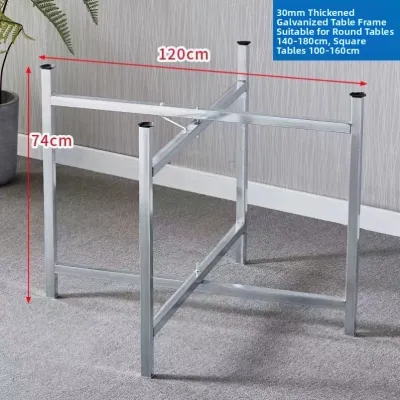
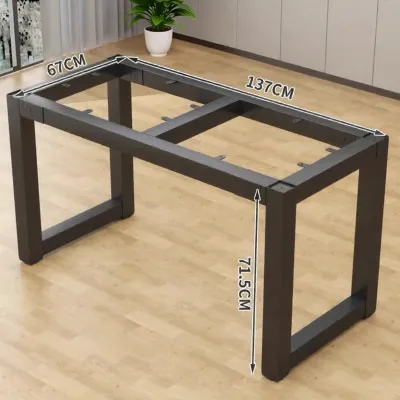
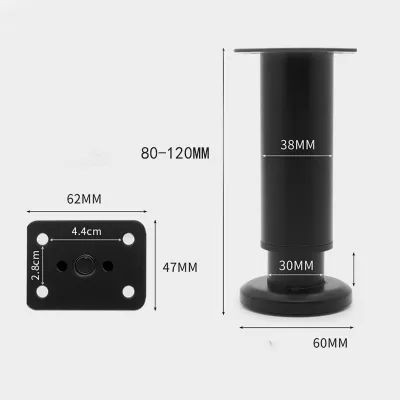
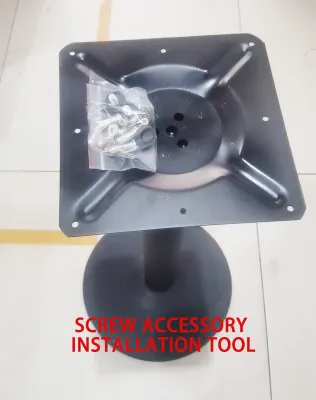

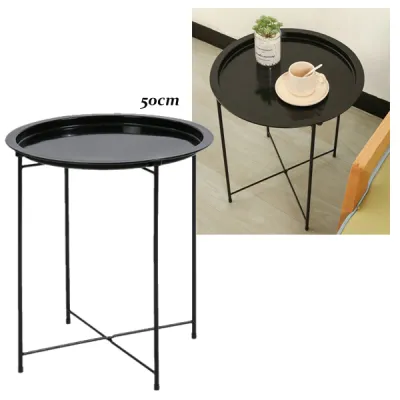
Prices are valid at publication and may change. Please refer to the product page for the latest price.
Another major challenge is accommodating the mechanical hardware required for the extension. Underneath the tabletop, you will find a system of metal or wooden slide tracks, gears, and brackets that allow the table to pull apart. Some tables also feature built-in storage compartments for butterfly leaves. A standard table stand often features mounting plates, crossbars, or central columns that can physically block these mechanisms. If you purchase a stand without verifying these clearances, you may find that the table can no longer open or close properly.
Seating capacity and guest comfort also become more complex with an extendable table. A table configured for 6 people has different legroom requirements than when it is extended to seat 10. If the table legs or pedestals are positioned too close to the outer edges, they can obstruct the chairs and prevent guests from sitting comfortably. Conversely, if the base is too centralized to allow for maximum legroom, it may not provide enough support for the outer edges of the extended tabletop. Balancing stability with legroom is the key to a successful setup.
Evaluating Table Stand Structures for Large Extendable Tops
When shopping for a table stand, you will encounter several distinct structural configurations, each offering unique advantages and trade-offs. The most common options for large-format tables include pedestal bases, T-base or U-base designs, and traditional four-leg frames. Evaluating these options requires looking closely at how they distribute weight across a span that can easily exceed two meters when fully extended.

Because a 6-10 person table requires a substantial footprint, the base must be rigid enough to prevent the tabletop from sagging in the middle. Sagging is especially common in humid environments where wood fibers can soften slightly under constant tension. As you compare different structures, keep in mind that the best choice will depend on whether your table extends from the center (where the legs stay put and the top slides outward) or if the legs themselves pull outward to support the extended ends.
Pedestal and Column Bases
Pedestal bases are highly favored for dining tables because they eliminate corner legs, allowing for maximum flexibility in chair placement and guest legroom. However, for a table that extends to seat up to 10 people, a single central pedestal is rarely sufficient. A single column creates a pivot point; when the table is fully extended, the long overhangs on either side act as levers, making the table highly prone to tipping if uneven pressure is applied.
For large extendable tables, a double pedestal configuration is a much safer and more stable choice. Double pedestals provide two distinct points of contact with the floor, effectively dividing the tabletop into three supported zones. This setup dramatically reduces the risk of tipping and helps distribute the weight of heavy solid wood or stone tops. When choosing a double pedestal stand, verify the distance between the two columns to ensure it is wide enough to provide stability but still allows the extension slides to operate smoothly in the center.
Before purchasing a double pedestal stand, you must also check the clearance between the top of the columns and the underside of the tabletop. The mounting plates for the pedestals must not overlap with the path of the extension slides. If the slides run directly down the center of the table, you may need a pedestal design that features a split mounting plate or a recessed channel to allow the hardware to pass through unimpeded.
T-Base and U-Base Configurations
T-base and U-base configurations, often constructed from heavy-duty steel or cast iron, offer a modern aesthetic and exceptional stability for large-format tables. These bases consist of wide, flat feet that sit flat on the floor, with vertical posts rising to support wide mounting plates. Because these bases have a very low center of gravity and a wide footprint, they are incredibly resistant to tipping, making them excellent candidates for heavy extendable tops.
One of the main advantages of a U-base or T-base is that they can be positioned closer to the ends of the table, providing excellent support for the extended sections. However, this positioning can create challenges when the table is collapsed to its 6-person configuration. If the bases are too wide, they may interfere with the dining chairs at the ends of the table, preventing them from being pushed in fully when not in use. You must carefully measure the distance between the inner edges of the bases to ensure your chairs can fit comfortably.
Additionally, many U-base and T-base designs utilize a horizontal crossbar or stretcher to connect the two bases for added lateral stability. While this crossbar prevents the table from swaying, it can easily collide with hanging extension hardware or butterfly leaf storage compartments. Always measure the vertical drop of your table’s extension mechanism and compare it to the height of the crossbar to ensure there is adequate clearance.
Traditional Four-Leg Stands
Traditional four-leg stands, where a leg is positioned at each of the four corners of the table, offer classic stability and a timeless look. For extendable tables, four-leg configurations generally fall into two categories: fixed-leg frames and sliding-leg frames. In a fixed-leg system, the legs remain stationary at the corners, and the tabletop slides open from the center. In a sliding-leg system, the legs are attached to the moving sections of the tabletop and pull outward as the table extends.
If you are using a fixed-leg frame, you must pay close attention to the structural apron—the wooden or metal trim that runs beneath the tabletop connecting the legs. The apron provides essential structural bracing to prevent the table from sagging over long spans. However, the apron also reduces the vertical clearance underneath the table. You must ensure that the extension slides can sit comfortably within the confines of the apron without hanging down so low that they hit the knees of your guests.
Sliding-leg frames solve the issue of end-support because the legs move to the outer corners of the extended table, providing direct support where it is needed most. However, these systems rely heavily on high-quality mechanical joints and heavy-duty glides. In humid tropical conditions, wooden sliding joints can swell and bind, making the table difficult to open. If you choose a sliding-leg system, look for metal glides with rust-resistant coatings to ensure smooth operation year-round.
Critical Sizing and Clearance Checks Before Buying
Before purchasing any table stand, you must perform a series of precise measurements to guarantee compatibility with your tabletop and your dining room. Do not rely on general size recommendations; instead, create a detailed physical checklist based on your specific table’s dimensions and hardware.
First, calculate the base-to-top ratio to prevent tipping. As a general safety guideline, the footprint of the table stand should cover at least 60% to 70% of the total width and length of the tabletop when it is fully extended. For example, if your table extends to a length of 240 cm, the distance between the outermost edges of your table stand should be at least 144 cm to 168 cm. Check the manufacturer’s specifications for maximum recommended overhang limits to ensure your setup remains safe.
Second, measure the extension hardware clearance with extreme accuracy. Crawl underneath your table and measure the following dimensions:
- The total width of the slide track assembly.
- The maximum depth (vertical drop) of the slide tracks from the underside of the tabletop.
- The location of any locking levers, pulleys, or butterfly leaf storage boxes.
- The distance from the center of the table to the nearest obstruction.
Compare these measurements to the top plate of the table stand. The mounting plate of the stand must have a clear, flat surface to attach to the tabletop. If your extension slides run down the exact center of the table, you will need a stand with a split mounting system or one that mounts to the outer edges of the table frame.
Finally, verify the floor footprint against your dining room dimensions. A 10-person table requires a significant amount of physical space. Ensure you have at least 90 cm to 120 cm of clearance between the edge of the extended table and the nearest wall or piece of furniture. This space is necessary to allow guests to pull out their chairs, sit down, and walk behind seated guests comfortably. If your dining room is tight, a pedestal base may be preferable as it allows chairs to be tucked in tighter than a four-leg or U-base design.
Installation, Stability, and Safety Verification
Once you have selected and purchased your table stand, the installation process must be handled with care to ensure long-term stability and safety. Always read the manufacturer’s instructions thoroughly before beginning assembly. Verify that all supplied hardware is compatible with your tabletop material. If you are mounting a metal stand to a solid wood top, use screws that are long enough to grip securely but short enough that they will not pierce through the finished top surface.
During assembly, do not tighten the mounting screws completely right away. Instead, thread all screws in loosely first to ensure the stand is perfectly aligned with the tabletop and the extension slides. Once everything is aligned, tighten the screws in a diagonal pattern to distribute the pressure evenly. If your tabletop is made of solid wood, consider pre-drilling pilot holes to prevent the wood from splitting, especially in dry or highly air-conditioned rooms where wood can become brittle.
After assembly, perform a thorough stability and safety test before hosting your first gathering. Test the table in both its collapsed (6-person) and fully extended (10-person) states. Open and close the extension mechanism slowly, checking for any binding, rubbing, or unusual resistance. If the slides rub against the table stand, do not force them; you may need to add spacers or adjust the mounting position to create the necessary clearance.
With the table fully extended, apply moderate downward pressure to the outer edges and corners. The table should feel firm and stable, with no noticeable flexing, swaying, or lifting of the base. If you observe any tipping or structural instability, do not use the table. This is a clear sign that the base is either too small, improperly mounted, or structurally insufficient for the span. In such cases, stop use immediately and consult a professional carpenter or the manufacturer for assistance.
Lastly, select appropriate floor protectors for your table stand. A 6-10 person extendable table, especially when fully loaded with food and dinnerware, exerts a massive amount of concentrated weight on the floor. If you have ceramic tiles, polished concrete, or hardwood flooring, heavy-duty felt pads or rubber-bottomed glides are essential. These protectors prevent the heavy stand from scratching, cracking, or denting your floors when the table is moved or when guests sit down.
Frequently Asked Questions (FAQ)
Can I use a single pedestal base for a 10-person extendable table? (FAQ)
Using a single pedestal base for a table that extends to seat 10 people is generally not recommended due to severe tipping risks. When a table is extended to this size, the long overhangs on either side create a powerful lever effect. Any significant weight placed on the outer edges—such as a guest leaning on the table or a heavy serving platter—can easily cause the table to tip over. For a 10-person capacity, a double pedestal base, a wide U-base, or a traditional four-leg frame provides a much safer and more stable footprint. If you must use a single pedestal, ensure the manufacturer explicitly rates the base for the fully extended length of your tabletop, and verify that the base plate itself is exceptionally wide and heavy.
How do I measure the clearance for table extension slides? (FAQ)
To measure the clearance for your table extension slides, start by locating the lowest point of the slide mechanism or track underneath the tabletop. Measure the vertical distance from the underside of the tabletop to this lowest point; this tells you how much vertical clearance the slide mechanism requires. Next, measure the total width of the slide assembly from left to right. When choosing a table stand, ensure that its mounting plate or top crossbars do not interfere with these dimensions. The stand’s mounting surface must either sit completely outside the width of the slides or feature a recessed channel that allows the slides to pass through without touching the stand.
Community discussion
Share your experience or ask a question. Comments are reviewed before publication.