
Finding the right furniture for compact urban homes requires balancing comfort, style, and physical constraints. In many Philippine apartments and condominiums, the living room serves multiple purposes, making space optimization a top priority. A two-seater sofa, often referred to as a loveseat, offers a practical seating solution that provides cozy comfort without overwhelming a limited floor plan.
Selecting the ideal piece involves more than just picking a pleasing color; it requires careful planning around dimensions, materials, and layout. By focusing on smart design choices and realistic measurements, you can find a sofa that enhances your living space while remaining highly functional for daily use.
Measure Your Space and Sofa Dimensions
Before browsing online marketplaces or visiting local showrooms, accurate measurements are essential. A common mistake is measuring only the designated spot for the sofa while overlooking the path it must travel to get there. In high-rise condominiums and tight apartment complexes, you must verify the dimensions of service elevators, stairwells, narrow hallways, and doorway clearances. If a sofa cannot clear a tight corner in a stairwell or fit through the front door frame, even the most beautiful design becomes a logistical headache.
Products mentioned in this guide

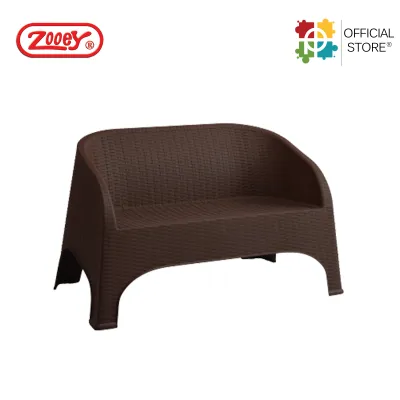
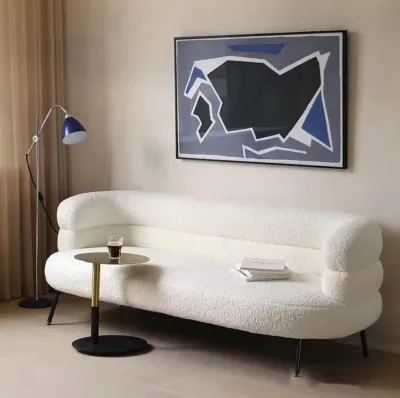

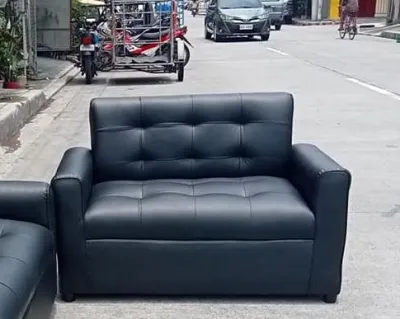
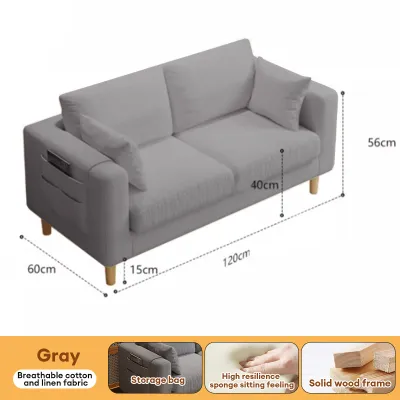
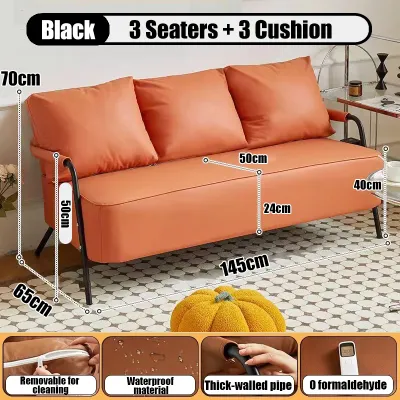
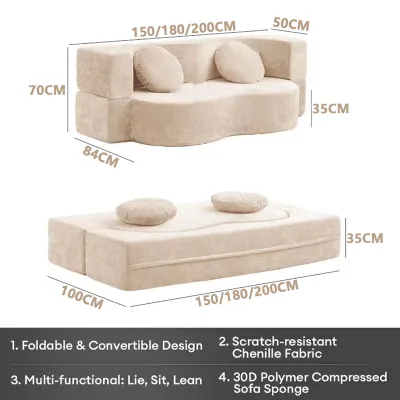
Prices are valid at publication and may change. Please refer to the product page for the latest price.
When evaluating the sofa itself, look closely at the manufacturer’s specified width, depth, and height. The total width of a standard two-seater sofa typically ranges from 120 to 180 centimeters, but the depth is equally critical for walking paths. Ensure that once the sofa is placed, there remains at least 60 to 75 centimeters of clearance in front of and around it to allow for comfortable foot traffic.
Additionally, pay attention to the height of the sofa’s base. Sofas with raised legs that expose the floor underneath create a sense of openness. When the eye can see the floor extending beneath the furniture, the room feels larger and less cluttered. Conversely, solid, skirted sofas that sit flat on the ground block light and can make a small living room feel cramped.
Evaluate Frame, Upholstery, and Cushion Support
A sofa is a long-term investment that must withstand daily use, so examining its construction is vital. When assessing durability, inquire about the frame material and joint construction. Sturdy frames often utilize kiln-dried hardwoods or engineered metals, which resist warping over time. Check that the joints are reinforced with dowels, screws, or heavy-duty brackets rather than simple glue or staples, as weak joints can lead to wobbling and premature wear.

Upholstery selection is another critical decision, especially in a tropical climate. High humidity and warm temperatures mean that fabrics must be breathable and easy to maintain. Synthetic blends, tightly woven polyesters, or treated performance fabrics are often practical choices because they resist moisture absorption and are easier to spot-clean. Always check the manufacturer’s care label for specific cleaning codes—such as “W” for water-based cleaners or “S” for solvents—to ensure you can maintain the fabric properly without causing discoloration or shrinkage.
Cushion support directly impacts both comfort and longevity. High-density foam cores wrapped in polyester fiber offer a balanced combination of firm support and surface softness. While down or loose fiber fills provide a plush feel, they require frequent fluffing to maintain their shape and can sag quickly under heavy use. Testing the resilience of the cushions by sitting and observing how quickly they bounce back can give you a good indication of their long-term performance.
Maximize Functionality in Compact Layouts
In a small home, every piece of furniture should earn its keep by offering maximum utility. Multi-functional two-seater sofas are excellent options for studio apartments or homes that frequently host overnight guests. Some designs feature hidden storage compartments beneath the seat cushions, providing a discreet place to store extra linens, pillows, or seasonal items. Others incorporate fold-out mechanisms that easily convert the sofa into a compact bed, saving you from needing a dedicated guest room.
The placement of your sofa also dictates how spacious your living room feels. While pushing the sofa flat against the longest wall is the traditional way to maximize open floor space, alternative layouts can work beautifully. For instance, placing a low-profile two-seater perpendicular to a wall can act as a subtle room divider, separating the living area from a dining nook or kitchen counter. If your layout has an unused corner, positioning the sofa there can open up the center of the room for better traffic flow.
To keep the area feeling open, avoid pairing your sofa with a massive, solid coffee table. Instead, opt for lightweight side tables or nesting tables. Nesting tables can be stacked together when not in use to save space and easily pulled out when you have guests, keeping the central walkway clear and adaptable.
Style and Visual Weight for Small Rooms
Visual weight refers to how heavy an object looks, regardless of its actual physical weight. In compact living rooms, choosing furniture with low visual weight helps maintain an airy, uncluttered atmosphere. To achieve this, look for sofas with clean lines, slim armrests, and minimalist silhouettes. Wide, rolled arms and thick, overstuffed backrests consume valuable centimeters of seating space while making the room look crowded.
Color choice plays a significant role in managing visual weight. Selecting a sofa in a light, neutral shade—such as beige, light gray, or soft cream—that closely matches your wall color helps the furniture blend into the background. This cohesive color palette prevents the eye from stopping abruptly, making the boundaries of the room feel more expansive.
If you prefer a splash of color, it is often safer to keep the main sofa body neutral and introduce vibrant tones through accessories. Use throw pillows, light blankets, or textured runners to add personality and warmth. These smaller decorative elements are easy to swap out as trends change, allowing you to refresh your decor without committing to a large, brightly colored furniture piece that might dominate a small room.
Frequently Asked Questions (FAQ)
Can a two-seater sofa comfortably fit three people?
Standard two-seater sofas are designed specifically to accommodate two adults comfortably. While three people might physically fit on the cushions, doing so often compromises comfort and places excess strain on the frame and cushion springs. Instead of forcing extra seating onto a compact sofa, it is better to evaluate the actual seat width between the armrests. If you frequently host guests, consider pairing your two-seater with a lightweight accent chair or a couple of floor cushions that can be tucked away when not in use.
How do I maintain a fabric sofa in a humid climate like the Philippines?
Maintaining a fabric sofa in a tropical, humid environment requires consistent care to prevent musty odors and mold growth. Regular vacuuming is essential to remove dust, skin cells, and pet dander, which can trap moisture in the fabric fibers. Keep your living space well-ventilated by opening windows on dry days or using ceiling fans to promote airflow. Utilizing a dehumidifier or running an air conditioner during the rainy season can significantly reduce indoor humidity levels. If spills occur, address them immediately by blotting with a clean, dry cloth and strictly following the manufacturer’s cleaning instructions to avoid trapping moisture deep within the cushions.
Community discussion
Share your experience or ask a question. Comments are reviewed before publication.