
Selecting the most suitable wall hanging rack for organizing books and study supplies in a home office depends on matching the rack’s structural design to the specific weight of your materials and the physical characteristics of your wall. There is no single universal design that works for every study; instead, the ideal choice depends on whether you are storing heavy academic textbooks, lightweight stationery, or a mix of both. By evaluating your storage volume, understanding the load-bearing capacity of different rack designs, and verifying your wall construction, you can create an organized, clutter-free workspace that remains safe and stable over years of use.
Assessing Your Study Space and Storage Needs
Before browsing online marketplaces or local furniture shops, take precise measurements of your study area. Use a metal measuring tape to record the available wall width and height. Pay close attention to the depth clearance above your desk or workspace. A shelf that projects too far outward can restrict your movement, block natural light, or cause painful head bumps when you stand up. Aim for a clearance that allows you to work comfortably without feeling cramped by overhanging structures.
Next, audit the items you intend to store. Group your study materials into distinct categories based on their physical dimensions and weight. Heavy items, such as thick reference manuals, college textbooks, and binders full of documents, require deep shelves with robust structural support. Lightweight items, including pens, sticky notes, calculators, and loose paper, can be accommodated by shallower, more flexible storage systems. Remember that paper is surprisingly heavy when packed tightly; a single shelf filled with textbooks can easily weigh 15 to 20 kilograms.
Products mentioned in this guide
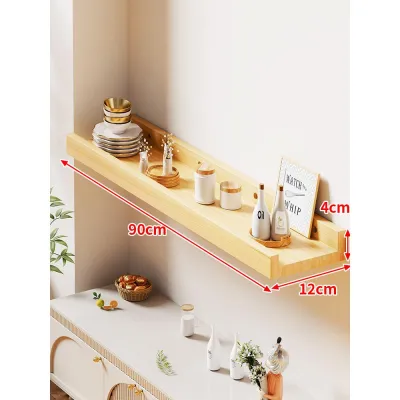
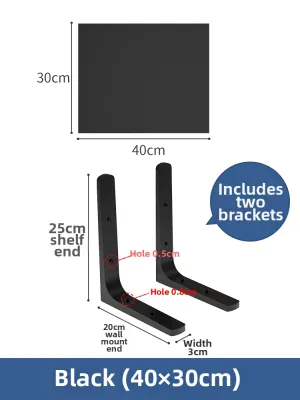
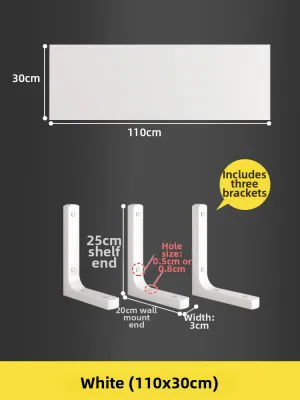
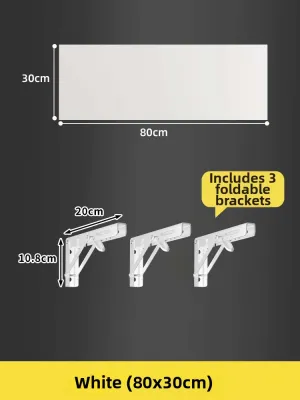
Prices are valid at publication and may change. Please refer to the product page for the latest price.
In tropical environments like the Philippines, high relative humidity can cause paper to absorb moisture over time, slightly increasing the overall weight of your books and documents. This moisture absorption also makes book covers and pages more susceptible to warping if they are not supported properly. When planning your layout, factor in this environmental variable by choosing designs that support books vertically and prevent them from leaning excessively, which puts uneven stress on both the book spines and the shelf brackets.
Finally, map out any physical obstructions on your chosen wall. Look for light switches, electrical outlets, window frames, and air conditioning units. Ensure the rack will not block the airflow from your wall-mounted fan or air conditioner, as direct drafts can blow loose papers around, while localized temperature changes might affect the stability of certain wood finishes. Also, verify that your overhead lighting does not cast harsh shadows directly over your reading or writing area once the shelves are installed.
Types of Wall Hanging Racks for Home Offices
Wall-mounted storage solutions come in several distinct configurations, each optimized for different organizational tasks. Understanding how these designs function allows you to select a system that aligns with your daily workflow and aesthetic preferences.

Floating Shelves and Lipped Ledges
Floating shelves offer a clean, minimalist appearance by concealing their mounting brackets inside the shelf body. This design is excellent for displaying a curated collection of books, framed certificates, or decorative items, giving small study rooms a more open and airy feel. However, because they lack visible external supports, standard floating shelves generally have lower weight limits than bracketed alternatives. You must verify the manufacturer’s specified load capacity to ensure they can safely hold your intended volume of books.
Lipped shelves or ledge designs feature a raised front edge or lip that runs along the perimeter. This small barrier is highly practical for storing items that tend to roll or slide, such as pens, cylindrical supply containers, and loose documents. Ledges are also ideal for displaying books facing forward, which is a popular setup for quick-reference manuals or children’s study materials. The lip ensures that even if a book slips, it remains securely on the shelf rather than falling onto your desk or laptop.
Pegboards and Modular Slatwalls
For those who manage a high volume of small stationery items, craft supplies, or electronic cables, pegboards and modular slatwalls offer unmatched versatility. These systems consist of a perforated backing board mounted to the wall, which accepts a wide variety of compatible hooks, bins, shelves, and clips. This setup allows you to move storage accessories around freely, keeping your most frequently used tools within arm’s reach while keeping the desk surface completely clear.
The primary advantage of a modular grid system is its ability to adapt as your study habits change. If you transition from a paper-heavy workflow to a digital one, you can easily swap out document trays for cable organizers and headphone hooks. When selecting a pegboard, check the material specifications; while plastic and fiberboard options are lightweight and easy to mount, metal pegboards offer superior durability and can support heavier accessories without warping or sagging over time.
Tiered and Stackable Wall Racks
Tiered wall racks feature multiple shelves or compartments integrated into a single, pre-assembled frame. This design is highly efficient for vertical organization, allowing you to sort incoming mail, active project folders, and reference books into separate levels. Because the shelves are structurally linked, tiered racks often distribute weight more evenly across their mounting points compared to multiple individual shelves.
When installing tiered or stackable configurations, it is crucial to perform structural stability checks to prevent a top-heavy imbalance. Always place your heaviest items, such as thick binders and reference books, on the lowest tiers of the rack. Keep lighter items, like notebooks and stationery boxes, on the upper levels. This distribution lowers the center of gravity, reducing the leverage exerted on the wall anchors and minimizing the risk of the rack pulling away from the wall.
Key Selection Criteria for Books and Supplies
When shopping for a wall hanging rack, do not rely solely on visual appeal or generic material descriptions to judge performance. A shelf described as “solid wood” or “heavy-duty steel” can still fail if its mounting hardware or internal bracket design is weak. Always check the manufacturer’s product label or specification sheet for the exact maximum load capacity. This rating is typically expressed in kilograms and assumes the rack is installed correctly into a solid wall structure; keep in mind that this limit is significantly reduced if the rack is mounted to hollow drywall without proper stud support.
Shelf depth and vertical clearance are equally critical dimensions to verify before purchase. Standard novels and paperbacks typically require a shelf depth of at least 15 to 20 centimeters, while larger textbooks, binders, and magazine files need 25 to 30 centimeters of depth. Ensure the rack you select is deep enough to prevent your books from overhanging the edge, which can cause them to fall or create an untidy appearance. Additionally, measure the vertical clearance between shelves on tiered models to confirm your tallest books can stand upright.
The surface finish of the rack dictates how well it will withstand daily wear and tear in your home study. Look for finishes that offer high scratch resistance, especially if you frequently slide heavy books or metal organizers across the shelves. In humid tropical climates, moisture resistance is a vital consideration. Untreated wood or low-grade fiberboard can absorb airborne moisture, leading to swelling, warping, or mold growth. Check the product care instructions to ensure the material can be wiped down with a damp cloth and that the finish is sealed against humidity.
Installation and Safety Checks
A secure installation is the most critical factor in preventing property damage or personal injury from a falling wall rack. Before drilling any holes, you must identify the exact composition of your study’s walls. In many Philippine homes, interior walls are constructed from solid concrete, concrete hollow blocks, or plaster-coated masonry. These hard surfaces require a masonry drill bit, a hammer drill, and specialized plastic or metal expansion anchors to grip the concrete securely. Budgeting for high-quality masonry anchors, which typically cost only a few ₱ per piece, is a small investment that saves thousands in potential wall repairs.
If your study has drywall partitions, the installation process is entirely different. Drywall alone cannot support the weight of a fully loaded book rack. You must use a stud finder to locate the wooden or metal framing studs behind the drywall and secure the rack’s mounting brackets directly into these studs using heavy-duty wood screws. If the rack’s mounting holes do not align with your stud spacing, you must use specialized toggle bolts or hollow-wall anchors rated for the specific weight of your loaded rack, though direct stud mounting remains the safest method for heavy books.
Always follow a strict stopping protocol during installation to avoid costly mistakes or dangerous accidents. If you encounter unexpected resistance while drilling, stop immediately; you may have hit a steel reinforcing bar, a water pipe, or an electrical conduit hidden within the wall. If you are unsure of your wall’s structural integrity, if the provided mounting hardware seems incompatible with your wall type, or if the manufacturer’s installation instructions are unclear, halt the project and consult a qualified professional carpenter or handyman to complete the installation safely.
Frequently Asked Questions (FAQ)
Can I install a wall hanging rack on a tiled or glass wall?
Installing a wall hanging rack directly onto a tiled or glass wall carries significant risks of cracking the surface and experiencing sudden structural failure. Standard drilling techniques will easily shatter glass and fracture ceramic or porcelain tiles. If you must mount a rack on a tiled wall, such as in a multi-purpose study area, you must use specialized diamond-tipped drill bits designed for hard surfaces and proceed at a very slow speed without using the hammer function on your drill. For glass walls, mechanical drilling is generally unsafe; you should avoid mounting heavy book racks on glass entirely and instead opt for freestanding shelving units or consult a professional glazier to discuss specialized structural framing options.
How do I prevent books from falling off a floating shelf?
To prevent books from sliding or falling off a standard floating shelf that lacks built-in sides, you can employ several non-damaging stabilization methods. Heavy, high-friction bookends made of metal or stone are highly effective at keeping book rows upright. Alternatively, placing a thin, non-slip silicone shelf liner under the books increases friction and prevents the base of the books from sliding outward. When arranging your books, pack them snugly together so they provide mutual support, but always monitor the total weight to ensure you do not exceed the manufacturer’s labeled load limit. Placing heavier volumes flat on their sides at the ends of the shelf can also act as natural, sturdy barriers for the upright books in the middle.
Community discussion
Share your experience or ask a question. Comments are reviewed before publication.