
Selecting the right wood materials for closets in the humid climate of the Philippines is essential to prevent warping, mold growth, and structural damage over time. Moisture-resistant plywood and marine plywood are generally the most stable and reliable choices for built-in or freestanding closets in tropical, high-humidity environments. While solid wood offers classic beauty, it requires meticulous sealing and specialized joinery to prevent warping. Engineered options like Medium-Density Fiberboard (MDF) and particleboard are highly susceptible to swelling and structural failure unless they are fully sealed with high-quality edge banding. Selecting the right closet wood requires balancing material stability, moisture resistance, and proper installation practices to withstand year-round humidity.
Evaluating Common Wood Types for Humid Environments
Solid wood brings natural beauty and strength to bedroom furniture, but its organic structure makes it highly sensitive to atmospheric changes. In tropical climates, wood absorbs moisture from the air during the rainy season and releases it during the dry, hot months. This constant cycle causes the wood fibers to expand and contract. If a closet is constructed from solid wood, it must utilize joinery methods that allow for natural movement, such as floating panels or tongue-and-groove joints. Rigid, glued joints without room to flex can crack or buckle under pressure. Additionally, the factory finish must be checked to ensure all sides, including the unexposed back and bottom edges, are completely sealed against moisture.
Standard plywood and marine plywood offer a more stable alternative due to their engineered construction. Plywood is made by gluing thin layers of wood veneer together with alternating grain directions, which significantly reduces the wood’s natural tendency to expand and contract. However, the adhesive used determines its moisture resistance. Standard plywood often uses urea-formaldehyde glues, which can degrade when exposed to prolonged high humidity. Marine plywood, on the other hand, is manufactured with waterproof phenolics or boiling-water-resistant adhesives and contains no internal voids. This prevents water from pooling inside the core and causing delamination. When shopping, you should verify the manufacturer’s moisture ratings and check if the boards are graded for exterior or high-humidity use.
Products mentioned in this guide
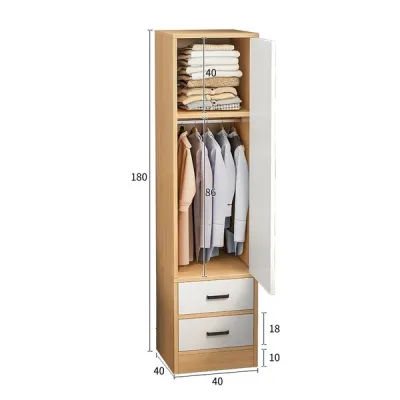
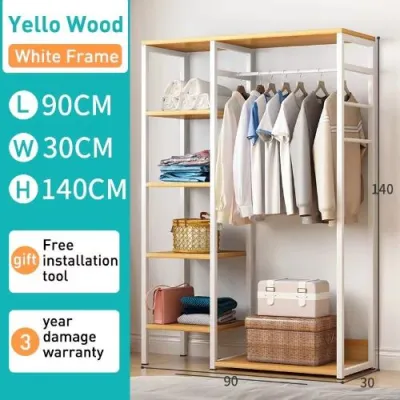
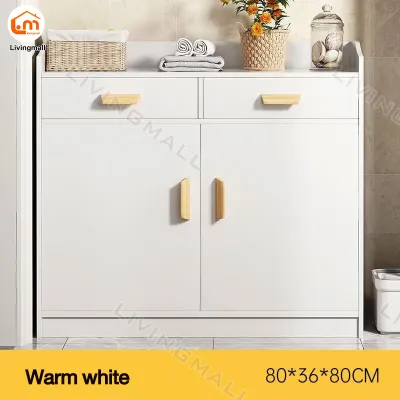
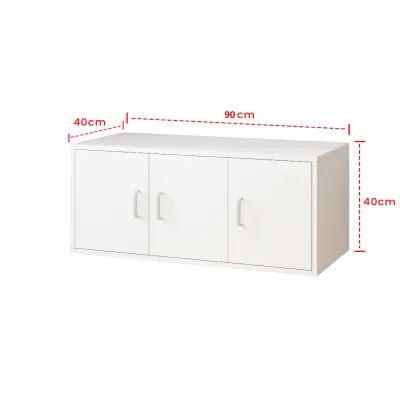
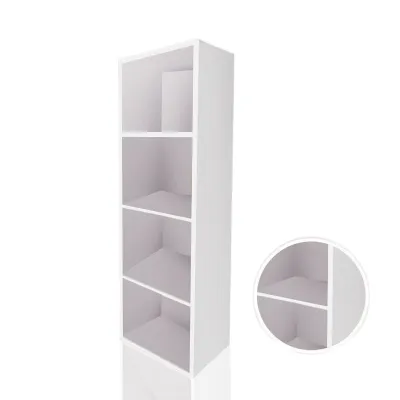
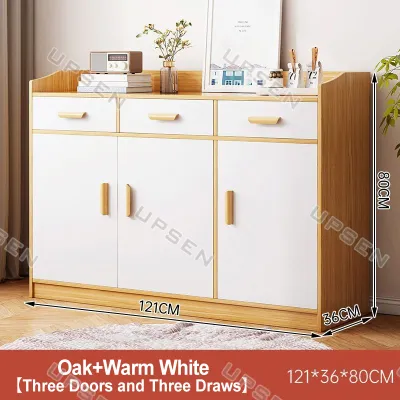
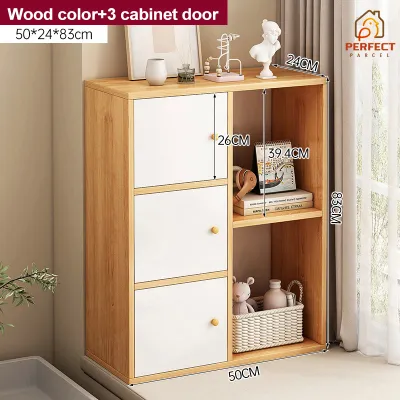
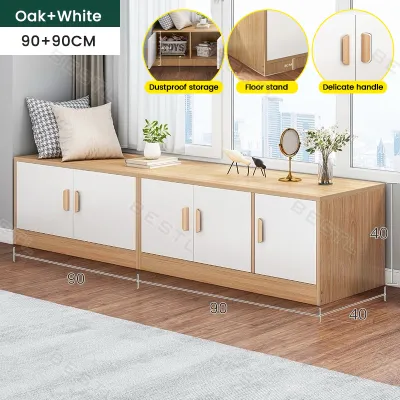
Prices are valid at publication and may change. Please refer to the product page for the latest price.
Medium-Density Fiberboard (MDF) and particleboard are highly cost-effective and offer smooth surfaces for laminates, but they are inherently vulnerable to moisture. These engineered wood products are made from compressed wood fibers or chips mixed with synthetic resins. If water vapor penetrates the surface, the fibers absorb the moisture and swell, causing the board to lose its structural integrity. This swelling is irreversible and often leads to crumbling edges and sagging shelves. To use these materials safely in a humid closet, you must verify that all edges are sealed with thick PVC or ABS edge banding and that the surfaces are fully laminated or painted with moisture-resistant coatings.
Key Manufacturer Specs and Treatments to Verify
When sourcing materials for your closet, look for specific product labels. Moisture-resistant (MR) plywood, often designated as Type II or moisture-resistant under local standards, is designed to withstand temporary exposure to dampness but is not fully waterproof. For areas with severe humidity, such as ground-floor bedrooms or closets adjacent to bathrooms, exterior-grade or Type I plywood is a safer choice. Always ask the supplier for the technical data sheet to cross-reference these labels with the actual product specifications, ensuring the adhesive and core materials meet your environmental needs.

The outer protective layer of your closet material is the first line of defense against humid air. High-pressure laminates (HPL), melamine, and polyurethane paints provide excellent barriers against water vapor. However, the weak points are always the joints and edges. Inspect the edge banding closely; it should be applied using hot-melt adhesives that leave no visible gaps or glue lines. Any exposed core material, even at the back of the closet or around screw holes, must be sealed with a silicone sealant or a protective primer during assembly to prevent moisture ingress.
In tropical climates, high humidity often goes hand-in-hand with pest activity and mold growth. Some plywood manufacturers offer boards pre-treated with preservatives that resist termites and fungal decay. These factory-applied treatments penetrate deep into the wood fibers during the manufacturing process, providing long-lasting protection. In contrast, post-purchase brush-on treatments only coat the surface and can wear off or fail to reach the inner layers of the wood. When selecting your closet wood, prioritize materials that come with certified factory-applied pest and mold resistance.
Installation and Environmental Adaptation Checks
Even the most moisture-resistant wood can fail if installed in a poorly ventilated room with active dampness. Before installing a built-in closet, check the concrete walls for signs of water seepage or rising damp, especially if the wall faces the exterior of the house or an adjacent bathroom. It is highly recommended to leave a clearance gap of at least 2 to 5 centimeters between the back of the closet and the wall. This gap allows air to circulate, preventing stagnant, humid air from trapping moisture against the wood paneling.
Heavy materials like solid wood or dense plywood require a stable foundation. If the floor is uneven, the closet frame can tilt, putting uneven stress on the joints and causing doors to misalign or stick. Use a spirit level to check the floor before installation, and use adjustable leveling feet if necessary. Additionally, verify the weight capacity of the shelves and hanging rods. In humid conditions, wood fibers can soften slightly, making shelves more prone to sagging under heavy loads. Ensure that long shelves have adequate vertical supports or center brackets to distribute the weight evenly.
Maintaining a closet in a humid climate requires ongoing vigilance. Regularly open closet doors to promote airflow, especially during the rainy season. You can use moisture-absorbing disposable dehumidifier tubs or silica gel packets inside the closet to help control local humidity levels. Perform visual checks every few months: look for early signs of warping, peeling edge banding, musty odors, or small piles of wood dust that could indicate termite activity. Addressing these issues early can prevent minor dampness from turning into structural damage.
Frequently Asked Questions (FAQ)
Is marine plywood always necessary for bedroom closets?
Marine plywood is highly durable and offers excellent moisture resistance, but it is not always necessary for every bedroom closet. Because marine plywood is manufactured to strict standards with high-grade veneers and waterproof adhesives, it carries a premium price, often costing significantly more in ₱ than standard moisture-resistant plywood. For upper-floor bedrooms with good natural ventilation and low risk of dampness, standard moisture-resistant (MR) plywood or high-quality laminated plywood is usually sufficient and more cost-effective. However, for ground-floor closets, units built against exterior concrete walls, or closets located directly adjacent to bathrooms, investing in marine plywood is highly recommended to prevent long-term water damage and warping.
How can I tell if my existing closet wood is failing due to humidity?
You can identify humidity-related failure in your closet wood through several clear visual and tactile signs. First, check the edges of shelves and doors; if the edge banding is peeling or the wood underneath looks swollen and bumpy, moisture has penetrated the core. Doors that suddenly stick, scrape against the frame, or no longer close flush are common indicators of warping caused by uneven moisture absorption. A persistent musty or earthy odor inside the closet suggests mold or mildew growth, even if it is not yet visible on the surface. Finally, press gently on the back panels or bottom shelves; if the material feels soft, spongy, or yields under light pressure, the wood fibers have degraded structurally and the unit may need repair or replacement.
Community discussion
Share your experience or ask a question. Comments are reviewed before publication.