
Selecting the right wood shelf rack organizer for a home office or study room requires balancing your specific storage needs, available floor space, and the weight of your materials while resisting local environmental factors like high humidity. Finding a suitable setup involves matching your daily workflow to the shelf configuration, verifying the structural integrity of the unit, and positioning it to maintain a comfortable, productive workspace.
Assessing Your Space and Load Requirements
In a home office, space is often at a premium, making careful measurement the essential first step. Before browsing online marketplaces, use a tape measure to map out the exact footprint where the wood shelf rack organizer will stand. Check that there is ample clearance for nearby doors to swing open fully and for your office chair to glide back without bumping into the unit.
Do not forget to account for baseboards, which can prevent a shelf from sitting completely flush against the wall. Measure the height of the room as well, especially if you plan to use a tall bookcase, to verify that it does not block wall-mounted air conditioning units, light fixtures, or ceiling fans.
Products mentioned in this guide
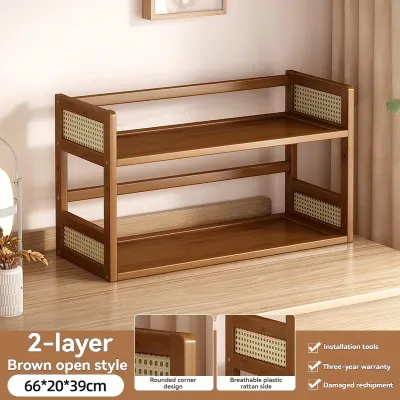
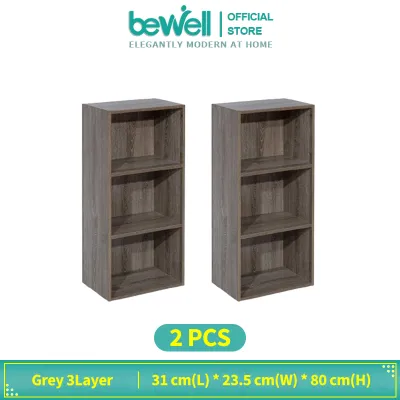
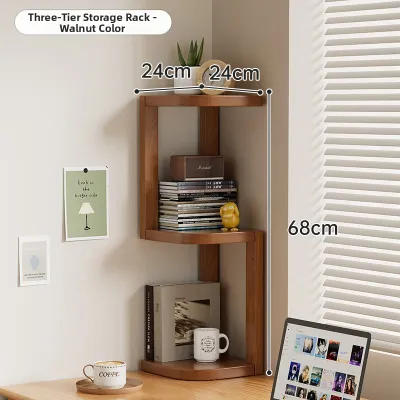

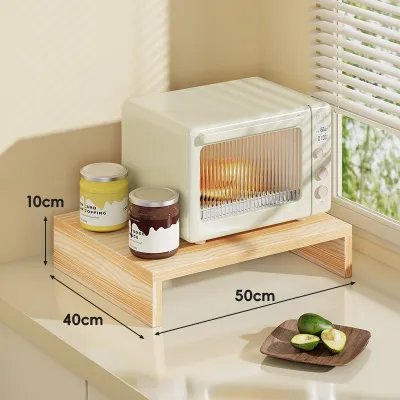
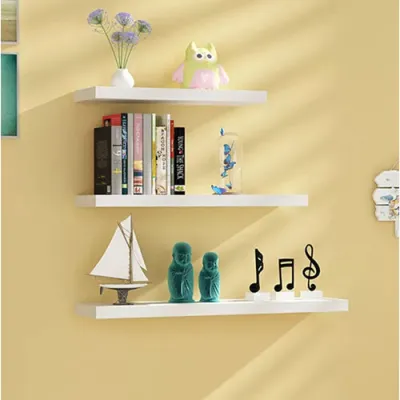

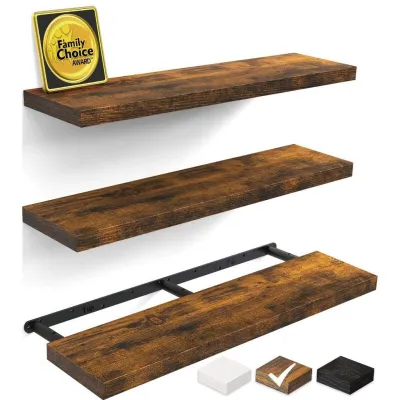
Prices are valid at publication and may change. Please refer to the product page for the latest price.
Books, heavy reference manuals, and office equipment like printers can accumulate significant weight. Overloading a shelf leads to sagging and structural failure over time. Estimate the total weight of your items and compare this against the manufacturer’s specified load capacity per shelf to support long-term durability.
The depth of your shelf organizer should match the items you intend to store. Standard novels and small notebooks fit comfortably on shelves with a depth of 20 to 25 centimeters. However, large binders, storage boxes, and printers require deeper shelves, often ranging from 30 to 40 centimeters, to prevent items from hanging over the edge.
Matching Shelf Configurations to Your Daily Workflow
Open shelving provides immediate visual access and makes it easy to grab reference books, notebooks, or frequently used tools during a busy workday. However, open shelves can look cluttered if they are filled with loose papers, cables, or small office supplies. For these items, consider shelves with built-in drawers, doors, or space for storage baskets to keep the visual environment clean.

Lipped shelves or those with raised backboards are highly useful for preventing loose documents, folders, and round items from slipping off the back or sides. This design is particularly helpful if your shelf is positioned away from a wall or serves as a room divider.
A rigid, fixed-shelf design limits your storage options as your library or equipment needs change. Opting for a wood shelf rack organizer with adjustable shelf pegs allows you to customize the vertical clearance. This flexibility is essential for accommodating tall ring binders, oversized design portfolios, or a desktop printer that requires extra overhead space for opening its lid.
If you have a spacious desk but want to keep your immediate workspace clear, a small, tiered desktop wood shelf organizer is an excellent addition. These compact units sit directly on your desk surface, keeping daily essentials like pens, calculators, notepad holders, and current files within arm’s reach without taking up valuable floor space.
Verifying Material Specs and Structural Stability
Wood furniture comes in various materials, including solid wood, plywood, and medium-density fiberboard with wood veneers. Each material has distinct characteristics regarding weight capacity and moisture resistance. Review the manufacturer’s product specifications to understand the exact materials used and any specific care instructions required to maintain the finish.
The stability of a wood shelf rack organizer depends heavily on how it is put together. Look for units that utilize sturdy joint construction, such as dowels, wood screws, or metal-to-metal cam lock systems, rather than simple glue or thin nails. Thick metal brackets and a wide, solid base further help the unit remain stable under a full load of books.
Tall or narrow shelving units pose a safety hazard, especially when loaded with heavy items on the upper shelves. Always plan to anchor any shelf taller than waist height to the wall. Check that the product includes anti-tip hardware, and follow the manufacturer’s instructions to secure the bracket into a wall stud or solid masonry.
Positioning the Organizer for Ergonomics and Flow
To maintain a comfortable and efficient workflow, organize your shelf contents based on frequency of use. Place your most frequently accessed books, files, and tools between waist and eye level so you can reach them without bending down or stretching excessively. Reserve the lowest shelves for heavy, rarely used items, and the highest shelves for light decorative pieces or archived files.
Position your wood shelf organizer so it does not obstruct natural light from windows or cast shadows over your primary desk area. Additionally, consider how the shelf placement affects cable routing for any electronic devices, such as printers or charging stations, ensuring cords can reach wall outlets safely without creating tripping hazards.
A harmonious workspace promotes focus and reduces mental clutter. When selecting a wood shelf rack organizer, try to match its wood grain, stain color, and hardware style with your existing desk, chair, or flooring. For instance, a warm teak or mahogany finish complements traditional study rooms, while a light oak or rubberwood finish fits well in modern, minimalist home offices.
Frequently Asked Questions (FAQ)
How do I prevent a tall wood shelf rack from tipping over?
To prevent a tall wood shelf rack organizer from tipping over, install the anti-tip safety kit provided by the manufacturer. Secure the wall anchor directly into a wall stud or use appropriate masonry plugs for concrete walls. Additionally, place your heaviest books, binders, and equipment on the bottom shelves to lower the unit’s center of gravity, keeping lighter items on the upper levels.
Can I use a wood shelf rack organizer in a humid room?
Yes, but you must take precautions to protect the wood from moisture. Check the manufacturer’s care manual for specific humidity limits and recommended finishes. In tropical climates, ensure your study room has adequate ventilation, such as an open window, a ceiling fan, or an air conditioner, to prevent moisture buildup. Regularly inspect the wood for signs of warping, mold, or finish degradation, and wipe down the surfaces with a dry cloth if condensation occurs.

Community discussion
Share your experience or ask a question. Comments are reviewed before publication.