
Creating an organized and inspiring home office is essential for maintaining productivity, especially when balancing remote work, study, or personal projects. In many Philippine households, dedicated office space is often carved out of bedrooms, living areas, or cozy corners where floor space is at a premium. Utilizing vertical space with wooden wall shelf organizers is an excellent way to keep your desk clutter-free while adding the natural warmth and character of wood to your workspace.
Choosing the right wooden shelves involves more than just picking an attractive design. You must consider the structural integrity of your walls, the specific items you need to store, and how the local tropical climate might affect different wood materials over time. By taking a systematic approach to assessing your space, comparing design styles, and verifying material specifications, you can select a wall organizer that is both highly functional and durable.
Assessing Your Home Office Space and Storage Needs
Before browsing online marketplaces or visiting local furniture showrooms, it is crucial to thoroughly evaluate your physical workspace. Start by using a reliable measuring tape to record the exact dimensions of the wall area where you plan to install the shelves. Be sure to note the width, height, and depth clearance, keeping in mind how far the shelves will protrude into your active working zone.
Products mentioned in this guide
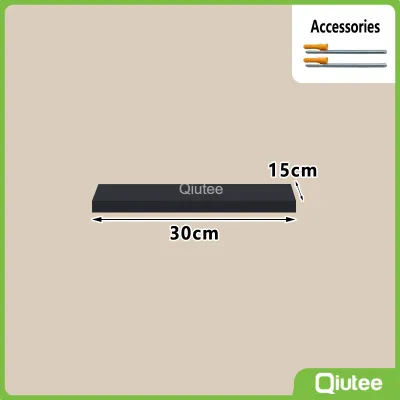
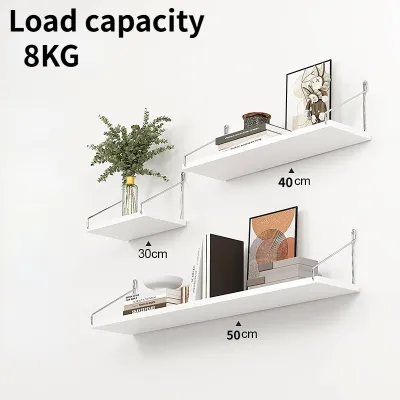
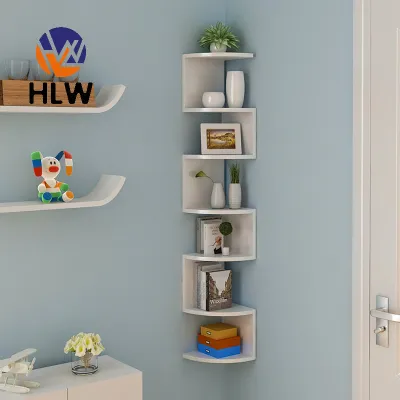
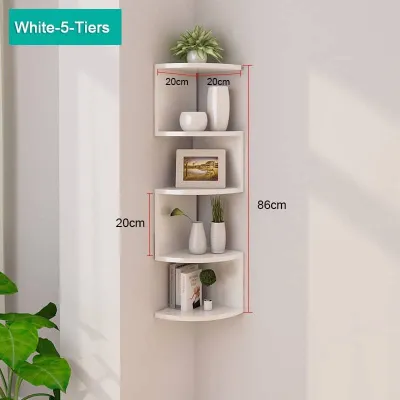
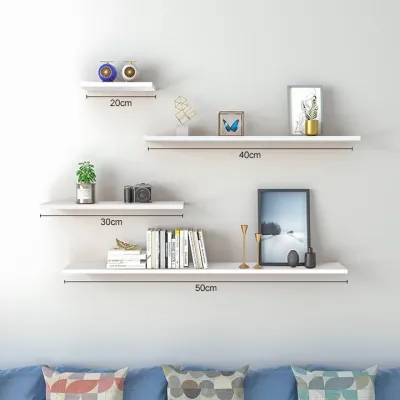
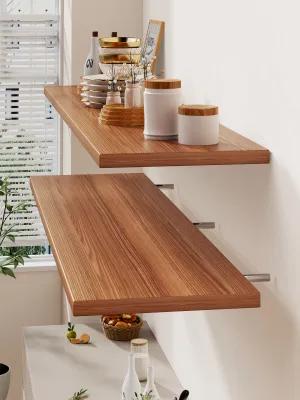
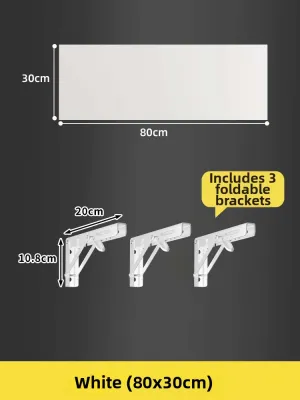
Prices are valid at publication and may change. Please refer to the product page for the latest price.
As you measure, identify any potential obstacles on or near the wall. In the Philippines, home offices often share wall space with split-type air conditioning units, wall-mounted cooling fans, window frames, light switches, and electrical outlets. Ensure your proposed shelf placement does not block airflow from your cooling systems or obstruct access to power sources that you need for your computer, monitor, or desk lamp.
Next, take inventory of the items you plan to store and organize. Group your belongings into categories based on weight and frequency of use. Heavy reference books, thick binders, and small printers require robust support, whereas lighter items like stationery holders, small decorative plants, and framed certificates can sit on more delicate structures.
Finally, consider the ergonomics of your setup. Items you use daily, such as notebooks, pens, or reference guides, should be placed within easy reach from your seated position. Decorative elements or archival files can be positioned on higher shelves. Keeping your immediate line of sight clear of excessive visual clutter will help you maintain focus and reduce cognitive fatigue during long working hours.
Comparing Wooden Wall Shelf Designs for Workspaces
Wooden wall shelves come in several distinct designs, each offering unique aesthetic and functional advantages. Understanding these differences will help you choose a style that matches your storage requirements and complements your office decor.

Floating shelves are a highly popular choice for modern, minimalist home offices. These shelves feature hidden mounting brackets that slide into the rear of the wooden plank, creating the illusion that the shelf is hovering against the wall. While they offer a clean, streamlined look that makes small rooms feel more spacious, they generally have lower weight capacities. Floating shelves are ideal for displaying light decorative items, small speakers, or a few lightweight books.
Bracket-supported shelves utilize visible hardware mounted either below or above the wooden platform. These brackets, which can be made of matching wood or contrasting metal, provide robust structural support by distributing the load over a larger wall surface area. If you need to store heavy rows of books, file organizers, or office equipment, bracket-supported shelves are typically the more reliable option. The choice of bracket style also allows you to customize the look, from industrial metal pipes to classic wooden corbels.
Ladder or tiered shelf units offer a multi-level storage solution that can either lean against the wall or mount securely at multiple points. These systems maximize vertical space by providing several shelves of varying depths, often with deeper shelves at the bottom for larger items and shallower shelves at the top. This design is highly versatile, allowing you to organize a diverse mix of office supplies, books, and personal decor within a single, cohesive unit.
Checking Wood Materials and Surface Finishes
When selecting a wooden shelf organizer, the type of wood and the quality of its surface finish play a critical role in its longevity and performance. Reviewing product specifications and manufacturer labels carefully will help you make an informed decision.
Start by distinguishing between solid wood and engineered wood options. Solid wood shelves, crafted from species like acacia, mahogany, or pine, offer exceptional strength, unique natural grain patterns, and long-term durability. However, they are heavier and can be more sensitive to environmental changes. Engineered wood options, such as medium-density fiberboard (MDF), plywood, or particleboard, are often lighter, more uniform, and highly budget-friendly. Many engineered wood shelves feature a high-quality wood veneer or laminate that mimics the look of solid wood.
Next, examine the surface finish of the shelf. In a busy home office, shelves are subjected to daily wear and tear from sliding organizers, metal staplers, and ceramic mugs. Look for finishes that offer scratch resistance and are easy to clean. A smooth, sealed surface—such as one treated with polyurethane, lacquer, or a melamine laminate—can be easily wiped clean with a dry or slightly damp microfiber cloth to remove dust and prevent staining.
Moisture resistance is another critical factor to verify, particularly in the tropical climate of the Philippines. High relative humidity and temperature fluctuations from air conditioning can cause untreated wood or low-grade engineered wood to warp, swell, or develop mold. Check product descriptions for moisture-resistant treatments, water-repellent sealants, or laminated edges that protect the inner core of engineered wood from absorbing atmospheric moisture.
Verifying Wall Compatibility and Installation Requirements
The safety and stability of your wall-mounted organizer depend heavily on proper installation and compatibility with your wall structure. Before purchasing, you must understand what lies behind your paint or wallpaper.
Identify the specific wall type in your home office. Many residential structures in the Philippines feature solid concrete or concrete hollow block walls, while interior partitions in newer condominiums or renovated spaces often consist of drywall or fiber cement board. Concrete walls require heavy-duty plastic or metal expansion anchors and a masonry drill bit to install. Drywall, on the other hand, requires specialized hollow-wall anchors, such as toggle bolts, to distribute weight safely without tearing the board.
Always review the manufacturer’s stated weight limits, but keep in mind that these ratings are conditional. A shelf’s rated capacity assumes proper installation into a compatible wall material using the correct hardware. The actual safe load limit is determined by the weakest link in the system. If you mount a heavy-duty shelf using weak anchors, or if you mount it on unsupported drywall, the shelf may sag or pull away from the wall even if the wooden plank itself is strong enough to hold the load.
If you are mounting heavy loads on drywall, it is highly recommended to locate the wooden or metal studs behind the wall using a stud finder and secure the mounting brackets directly into them. If you do not own the necessary tools—such as a hammer drill, a spirit level, or a stud finder—or if you feel unsure about drilling into your walls, hiring a qualified local handyman or professional installer is a wise investment to ensure a secure and level installation.
Final Pre-Purchase Checklist for Wall Organizers
To avoid the hassle of returns or installation issues, run through this final checklist before finalizing your purchase on any online marketplace or at a local retailer.
First, confirm the exact dimensions of the shelf against your measured wall space. Ensure the depth of the shelf is sufficient to hold your largest binders or organizers, but not so deep that it interferes with your head clearance or seating posture. Check that the horizontal span fits comfortably within your designated wall area without crowding nearby fixtures.
Second, review the delivery and assembly requirements. Note whether the shelf arrives fully assembled or as a flat-pack unit that requires self-assembly. If assembly is required, check if the package includes all necessary hardware, such as screws, brackets, and wall anchors, or if you need to purchase these separately. Verify what tools are required, such as a drill, screwdriver, or spirit level, so you can have them ready.
Third, verify the seller’s return policies and warranty coverage. Look for clear terms regarding structural defects, missing hardware, or damage that might occur during transit. Purchasing from reputable sellers who offer responsive customer support and clear return guidelines provides peace of mind, ensuring that your home office upgrade is a smooth and successful experience.
Frequently Asked Questions (FAQ)
How do I determine the weight capacity of a floating shelf?
To find the weight capacity of a floating shelf, always check the manufacturer’s official product listing, user manual, or product label. Keep in mind that the stated weight limit is a maximum capacity under ideal conditions. The actual safe capacity of your shelf depends heavily on your wall material, the type of anchors used, and how securely the hidden bracket is mounted. To maintain safety, avoid overloading the shelf and distribute the weight of your items evenly across the surface rather than concentrating heavy objects in one spot.
What should I consider when mounting shelves on concrete or tiled walls?
Mounting wooden shelves on concrete or tiled walls is highly feasible but requires specific tools and techniques. For concrete walls, you must use a hammer drill equipped with a masonry drill bit and heavy-duty wall plugs or expansion anchors. If you are mounting shelves on a tiled wall, such as in a multi-purpose home office or studio space, use a specialized glass and tile drill bit to prevent cracking the tiles. It is often safest to drill directly into the grout lines if they align with your mounting brackets. If you lack the proper drilling equipment or feel uncertain about drilling into hard surfaces, consult a qualified professional to handle the installation.
Community discussion
Share your experience or ask a question. Comments are reviewed before publication.