
Selecting the perfect cloud bed headboard requires balancing the plush, oversized aesthetic of upholstered furniture with the physical dimensions of your bedroom and bed frame. Because cloud headboards feature deep padding, tufting, and thick fabrics, they occupy significantly more physical and visual space than traditional flat wooden or metal headboards. To find the right fit, you must look beyond generic size labels like “single” or “king” and measure the exact outer dimensions of both the headboard and your existing bed frame.
Understanding Cloud Bed Headboard Proportions
Cloud headboards are defined by their soft, voluminous, and cloud-like appearance. This design relies on thick layers of foam, batting, and textured upholstery fabrics such as bouclé, linen, or velvet. Consequently, these headboards have a substantial depth, often extending 10 to 20 centimeters or more from the wall. This thickness adds visual weight to the room, making the bed the central focal point.
Because of this plush construction, a cloud headboard often extends slightly wider than the mattress itself. This design choice creates a cozy, wrapped-around aesthetic that frames the pillows and bedding. However, this means you cannot assume a headboard labeled “double” will perfectly align with the edges of a standard double mattress. Checking the manufacturer’s detailed specification sheet for the exact outer width and depth is essential to ensure the piece fits your intended space.
Products mentioned in this guide


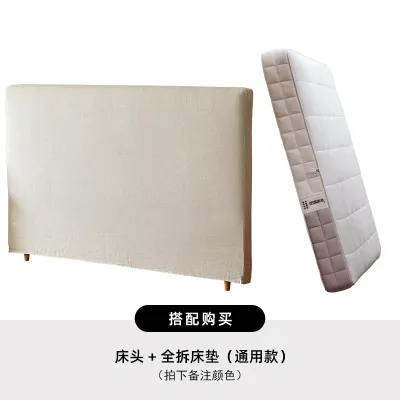



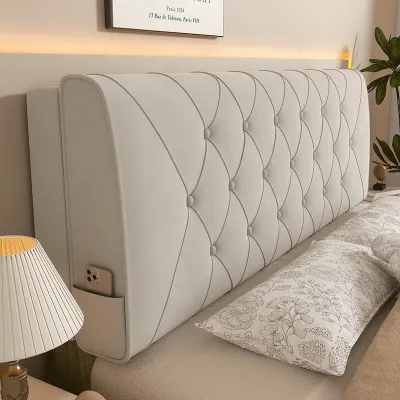
Prices are valid at publication and may change. Please refer to the product page for the latest price.
Matching Headboard Width to Single, Double, and King Frames
When pairing a cloud bed headboard with your frame, maintaining the correct visual proportion is key to a balanced bedroom design. For a single bed frame, which is typically used in smaller bedrooms or guest spaces, the headboard should ideally align closely with the outer edges of the frame. An excessively wide headboard on a single bed can make the setup look disproportionate and overwhelm a compact room.

For double and queen-size frames, you have more flexibility. A cloud headboard that extends 5 to 10 centimeters beyond each side of the mattress can create an elegant, high-end look. This extra width helps frame the bed beautifully, especially when layered with plush pillows and a thick duvet. However, you must account for the width of your bed frame’s side rails and any mounting brackets, as some frames are wider than the mattress they support.
King-size frames require a substantial headboard to match their grand scale. A king cloud headboard is a massive piece of furniture that can easily dominate a room. To maintain balance, the headboard should be wide enough to anchor the bed without crowding adjacent bedside tables. Always verify the product label for the total physical width of the headboard rather than relying solely on the “king” designation, as actual widths can vary significantly between different furniture manufacturers.
Evaluating Height and Thickness for Room Proportions
Vertical space is just as important as horizontal width when selecting a cloud headboard. Before making a purchase, measure the distance from the floor or the top of your mattress to the ceiling. A very tall headboard can make a low-ceilinged room feel cramped and claustrophobic. Conversely, in a room with high ceilings, a short headboard might look lost and fail to deliver the dramatic, cozy effect that cloud designs are known for.
In tropical climates like the Philippines, where high humidity and warm temperatures are common, air circulation is a critical consideration. A massive, thick headboard can block airflow if placed directly in the path of a wall-mounted fan or a split-type air conditioning unit. Ensure there is adequate clearance between the top of the headboard and any wall-mounted fixtures, shelving, or reading lights to maintain both safety and comfort.
Additionally, the extra depth of a cloud headboard will push your entire bed frame forward into the room. This reduces the available floor space at the foot of the bed. In smaller bedrooms, this extra thickness can restrict room circulation, making it difficult to walk around the bed or open wardrobe doors. Carefully calculate the total footprint of the bed, including the headboard’s thickness, to ensure you maintain clear pathways.
Step-by-Step Measurement and Installation Checks
To guarantee a seamless installation, follow a systematic measurement process before ordering your cloud bed headboard. Start by measuring the available wall width where the bed will be placed. Be sure to account for baseboards, wall moldings, or any adjacent furniture like wardrobes and nightstands. A headboard that overlaps with a window frame or prevents a closet door from opening fully will cause daily frustration.
Next, locate all wall sockets, light switches, and electronic cables along the bed wall. Because cloud headboards are thick and sit flush against the wall, they can easily block access to essential power outlets. If your outlets will be covered, plan ahead by installing slim-profile extension cords or choosing a headboard design that allows for cable routing.
Finally, inspect your existing bed frame to determine how the headboard will be supported. Some headboards attach directly to the frame using standard brackets, while others are designed to be wall-mounted or freestanding. If you live in a high-rise condominium or a home with tight stairwells, verify the delivery access. Measure your doorways, elevator cabins, and hallway corners to ensure the fully assembled headboard can physically reach your bedroom.
Common Sizing and Placement Mistakes
One of the most common mistakes when buying a cloud bed headboard is ignoring the physical depth of the plush upholstery. Homeowners often focus solely on the width and height, only to find that the added thickness makes the bedroom feel cramped and restricts natural walkways. Always factor this depth into your overall floor plan.
Another frequent error is assuming that size labels are standardized across all furniture brands. A “king” headboard from one manufacturer may be several centimeters wider or taller than a “king” headboard from another. Always rely on exact physical measurements rather than generic marketing terms.
Lastly, failing to check if the bottom edge of the headboard conflicts with your mattress height or an adjustable bed base. If the headboard’s padded section starts too high, it can leave an awkward gap where pillows slide through. If it starts too low, it may compress a thick mattress or interfere with the movement of an adjustable base.
Frequently Asked Questions (FAQ)
Can I use a larger cloud headboard on a smaller bed frame?
Using a larger cloud headboard on a smaller bed frame is a popular design technique that can create a dramatic, hotel-like aesthetic. Extending the headboard beyond the sides of a double or queen bed can make the entire sleeping area feel grander and more luxurious. However, this setup requires careful planning to ensure proper structural support and weight distribution.
Because cloud headboards are heavy, an oversized unit must be securely anchored to the wall rather than relying solely on a smaller bed frame for support. Additionally, you must ensure that the extended width does not block adjacent nightstands, light switches, or bedroom doors, which could compromise the functionality of your space.
How do I attach a cloud headboard if my bed frame lacks brackets?
If your bed frame does not have built-in brackets for a headboard, you have several reliable installation alternatives. Many cloud headboards are designed as freestanding units that are held in place by the weight of the bed frame pushed against the wall, or they come with independent wall-mounting hardware. Always check the manufacturer’s instructions for approved mounting methods.
When wall-mounting a heavy upholstered headboard, evaluate your wall type and its load-bearing capacity. In many homes, walls are made of solid concrete or concrete hollow blocks, which require masonry drills, heavy-duty wall plugs, and sturdy screws. If you are dealing with drywall, you must locate the wall studs to secure the mounting brackets safely. If you are unsure about the structural integrity of your wall or lack the necessary tools, consult a qualified professional to handle the installation.

Community discussion
Share your experience or ask a question. Comments are reviewed before publication.